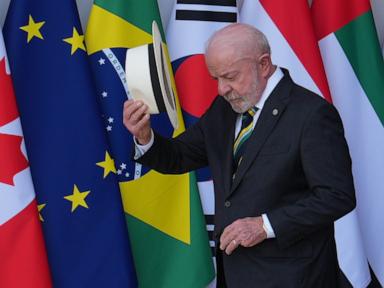
Brazilian politics is never quiet, but the latest fight between President Luiz Inácio Lula da Silva and Senator Flávio Bolsonaro has reached a whole new level of economic warfare. The core of the issue is a proposed 25% tariff from the United States on Brazilian goods. Instead of presenting a united front against Washington, Brazil's top presidential contenders are tearing each other apart over it.
The public squabble erupted after Flávio Bolsonaro suggested that the US government postpone its tariff decision until after Brazil's October presidential election. Lula did not hold back. He immediately took to social media to brand his opponent a traitor to the country. It is a messy, high-stakes battle that shows how foreign trade policy can instantly become a weapon in a domestic campaign.
If you think this is just a standard trade dispute, you are missing the real story. This clash reveals how deeply Washington can influence South American elections without casting a single ballot.
The Raw Reality of the US Tariff Proposal
The Trump administration threw a massive wrench into Brazilian economics by proposing a 25% blanket tariff on various imports. The United States Trade Representative claims that Brazil engages in unreasonable trade practices that burden American commerce. Washington points to lax anti-corruption enforcement and Brazil's own high tariff barriers as justification for the move.
The numbers tell an entirely different story. Lula actually traveled to Washington to hand over documents proving that the US holds a massive trade surplus with Brazil. American exports to Brazil rose nearly 11% to 54.4 billion dollars last year. Meanwhile, Brazilian exports to the US dropped to 39.9 billion dollars. That leaves the US with a comfortable 14 billion dollar goods trade surplus.
When you factor in services, the gap gets even wider. American services exports to Brazil reached nearly 30 billion dollars, which is four times what Brazil sends back. Brazil has every right to feel slighted. They are getting hit with economic penalties despite buying far more from the US than they sell to them.
Flávio Bolsonaro and the Art of the Political Delay
The political drama intensified when Flávio Bolsonaro sent a formal request to the United States Trade Representative. He asked the American government to hold off on implementing the tariffs until after the October presidential vote. His reasoning was purely electoral. He claimed that hitting Brazil with a massive economic blow right now would actually hand Lula a political victory by allowing the leftist leader to rally voters around national sovereignty.
Lula saw right through the strategy and went on the attack. He argued that asking a foreign power to time its economic punishments based on a local election calendar is nothing short of treason. To Lula, his rival is actively negotiating against national interests just to secure a polling advantage.
The right-wing opposition views it differently. They believe Lula is using the tariff threat to paint them as anti-patriotic corporate puppets. Flávio Bolsonaro insists he is trying to protect Brazilian businesses from immediate ruin while keeping foreign influence out of the democratic process.
Why July 15 Changes Everything
The clock is ticking rapidly for both campaigns. The White House has set a hard deadline of July 15 to make a final determination on the proposed trade penalties. A public hearing is scheduled right before that deadline, giving both sides one last chance to influence the outcome.
If Washington goes through with the 25% rate hike, the economic shockwaves will hit Brazilian industries immediately. Agricultural exports, steel manufacturing, and manufacturing sectors are all exposed. For Lula, an immediate economic blow could complicate his re-election narrative, even if he blames Washington. For the Bolsonaro camp, any perception that they helped engineer or delay the tariff to manipulate the election could alienate moderate voters who care more about their wallets than partisan bloodsports.
The Long Shadow of the Bolsonaro Legacy
This is not the first time Washington has used economic leverage over Brazil. The relationship between Donald Trump and the Bolsonaro family goes back years. The current US administration previously slapped Brazil with a 50% tariff to protest the domestic prosecution of former President Jair Bolsonaro over his actions surrounding the 2022 election.
The legal troubles of the Bolsonaro family continue to spill across borders. Eduardo Bolsonaro, another son of the former president, was recently sentenced in absentia to more than four years in prison for illegal lobbying activities inside the US. Lula's administration frequently points to these incidents as proof that the right-wing opposition values its ties to Washington elites over the stability of the Brazilian republic.
Lula has made it clear that he expects Washington to stay out of domestic affairs. He publicly stated that while the US president is free to have ideological preferences, Brazil's elections belong solely to the Brazilian people.
Actionable Next Steps for Tracking the Trade Crisis
The situation is fluid and will impact global markets over the next two weeks. You can stay ahead of the curve by following these specific steps.
- Monitor the public trade hearings. Keep a close eye on the testimonies submitted to the office of the United States Trade Representative. The corporate arguments presented there will show which specific manufacturing and agricultural sectors face the highest risk.
- Watch the July 15 announcement. Mark this date on your calendar. The official decision from the White House will determine whether Brazil faces an immediate economic slowdown or gets a temporary reprieve.
- Track the polling data in Brazil. Look for shifts in voter sentiment immediately following the trade decision. Pay attention to whether Lula's nationalism strategy pays off or if voters blame his administration for failing to protect trade relationships.
- Evaluate alternative trade partnerships. Watch for statements from the Brazilian Ministry of Foreign Affairs regarding accelerated deals with China or the European Union. Lula has already hinted that if Washington closes its doors, Brazil will aggressively expand its commerce elsewhere.
The intersection of international commerce and raw political ambition will shape South America for years to come. Do not lose sight of the economic realities while watching the political theater unfold in Brasília.