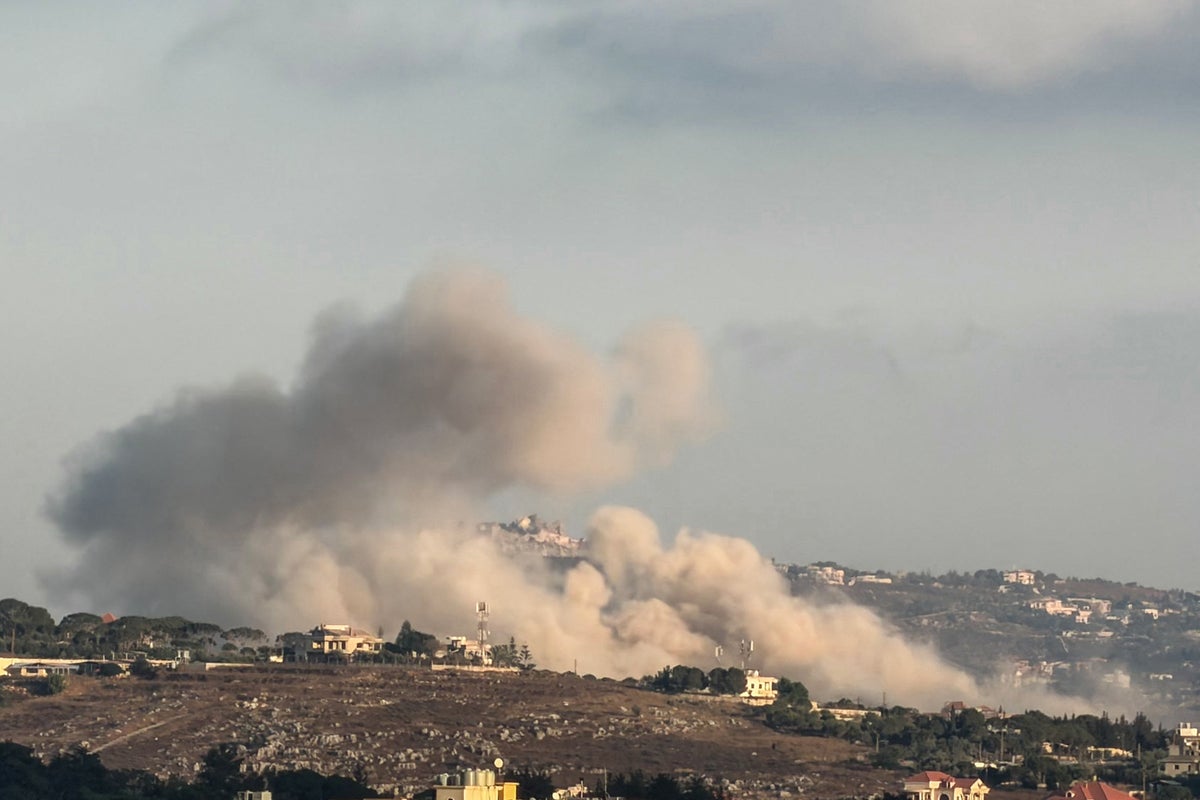
The Pentagon just released the identities of two US service members killed in recent Iranian-linked attacks. The mainstream media is doing exactly what it always does. They run the official headshots. They list the hometowns. They trace the grieving families. They focus entirely on the tragedy, treating the event as an isolated flashpoint in a vacuum.
It is a predictable cycle of hollow reverence that completely masks the structural failure of American foreign policy.
Focusing on the immediate tragedy allows Washington to dodge the real question. Why are these service members being used as static targets in forward operating bases that possess zero strategic utility? We are told these deployments deter Iranian aggression. The data shows the exact opposite.
The Deterrence Myth: Why Forward Bases Are Target Practice
The standard foreign policy consensus insists that maintaining a patchwork of small, isolated outposts across the Middle East deters adversaries. This is a fundamental misunderstanding of asymmetric warfare.
When you place a few hundred troops in a vulnerable position with limited air defense, you do not project power. You present a target.
I spent years analyzing threat vectors and deployment strategies in the region. I watched the bureaucratic inertia that keeps boots on the ground long after the original mission has dissolved into history. The Pentagon treats these bases like chess pieces. In reality, they are stationary magnets for cheap, mass-produced loitering munitions and ballistic missiles.
- The Cost Asymmetry: A hostile militia can deploy a $20,000 drone manufactured with off-the-shelf components. The US counters with a $2 million Patriot missile interceptor, or worse, absorbs the hit.
- The Political Leverage: By keeping personnel within striking distance of proxy groups, Washington hands Iran a dial. They can turn the heat up or down whenever they need leverage in diplomatic negotiations.
When an attack succeeds and lives are lost, the media focuses on the identities of the fallen. This shifts the public conversation from strategic accountability to emotional mourning. The Pentagon gets a pass on explaining why those troops were there in the first place.
The Flawed Questions Everyone Keeps Asking
Look at the standard inquiries filling the press briefings. They all stem from a broken premise.
Should the US launch massive retaliatory strikes to restore deterrence?
This question assumes deterrence can be restored through a single, violent demonstration of force. It cannot. History shows that kinetic retaliation against proxy networks merely causes them to disperse, rebrand, and strike back when the media attention fades. You cannot deter an adversary that views your presence as an ongoing occupation and your casualties as political victories.
How can we better fortify these outposts?
This is the classic bureaucratic response: throw more money at a flawed posture. You can add concrete T-walls and deploy more C-RAM systems, but you are still playing defense against an enemy with infinite patience and cheap ammunition. The solution is not to build better shields; it is to remove the targets.
The Hard Truth About Proxy Warfare
We are told that Iran uses these attacks to drag the US into a regional war. That is incorrect. Iran does not want a direct conventional conflict with the United States; they would lose it decisively.
Instead, they engage in grey-zone warfare. They use plausible deniability to inflict just enough pain to wear down American political will over decades.
[Proxy Attack] -> [US Casualties] -> [Media Focus on Individuals] -> [Symbolic US Retaliation] -> [Status Quo Maintained]
By focusing the narrative on the names and faces of the casualties, the US media plays directly into this strategy. It turns a macroeconomic and geopolitical chess match into a series of short-term emotional crises. The long-term policy is never audited. The infinite deployments continue.
Dismantling the Current Strategy
If the goal is truly to protect American lives and secure regional stability, the entire operational framework must be overhauled. This requires steps that traditional hawks and institutionalists find unacceptable.
1. Execute an Immediate Strategic Withdrawal from Non-Essential Outposts
Any base that exists solely to justify its own existence must be shuttered. If an outpost cannot defend itself completely or actively project power to alter the strategic environment, it is a liability. Keeping troops in these locations is not a demonstration of resolve. It is a display of tactical stubbornness.
2. Shift to over-the-horizon capabilities
The United States possesses unmatched naval and long-range strike capabilities. You do not need vulnerable garrisons in the desert to influence events in the region. A carrier strike group or a long-range bomber squadron provides a far more potent deterrent without offering a fixed coordinate for an enemy drone operator to target.
3. Acknowledge the downsides
A real contrarian must admit the risks of their own approach. A strategic withdrawal will be labeled a retreat by critics. It will create temporary power vacuums that local actors will rush to fill. It might shake the confidence of regional allies who rely on the physical presence of US troops as a security guarantee.
But the alternative is worse. The alternative is maintaining an unsustainable status quo where we wait for the next attack, mourn the next set of casualties, and learn absolutely nothing.
Stop looking at the official headshots and asking how we can avenge them. Start looking at the map and asking why they were put there to die.