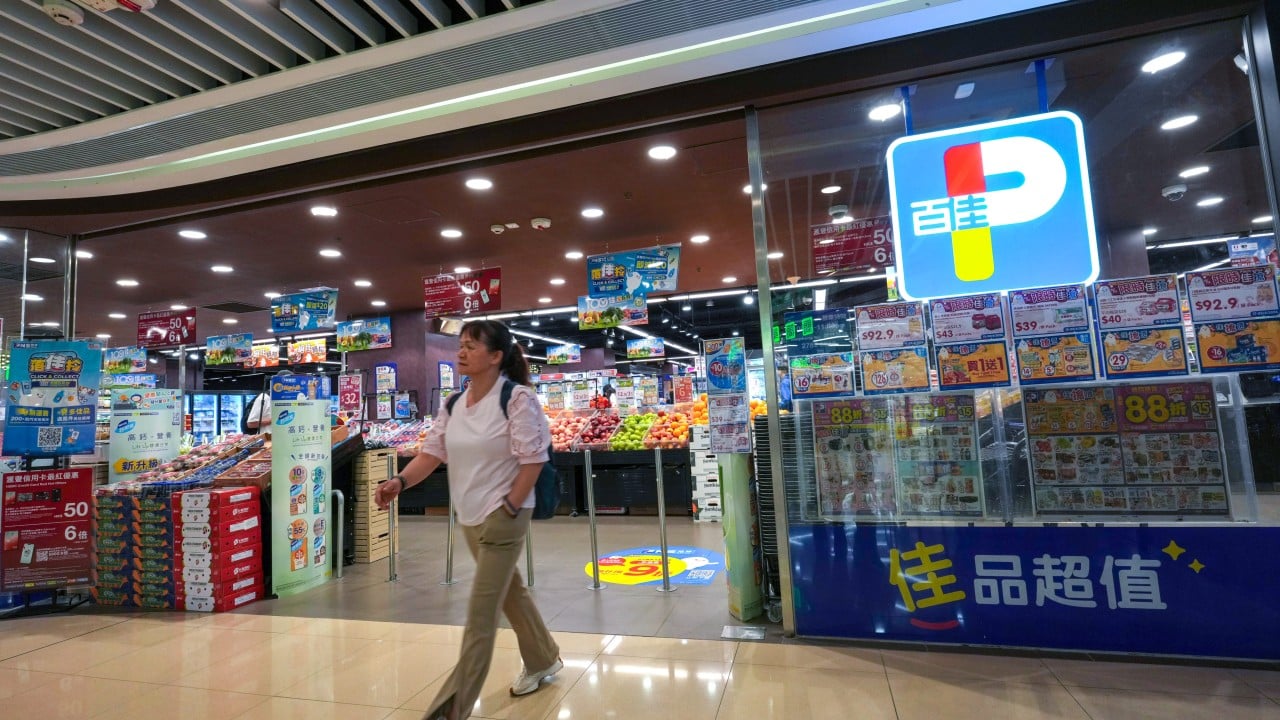
The rumors of a massive supermarket monopoly in Hong Kong are officially dead. CK Hutchison, the sprawling conglomerate built by billionaire Li Ka-shing, completely shut down the idea of selling or merging its ParknShop grocery chain with arch-rival Wellcome, which is owned by Jardine Matheson’s DFI Retail Group.
For a few days, the financial press went wild. Speculation triggered by a Financial Times report suggested that the two historic rivals were in active talks to combine forces. It was billed as Hong Kong’s version of Walmart merging with Costco. Then the corporate hammer came down. CK Hutchison made it clear that a sale is not on the table.
If you understand how retail actually works in Hong Kong, you know this deal never made sense in the first place.
The Real Numbers Behind the Monopoly Myth
On paper, combining ParknShop and Wellcome looks like a guaranteed antitrust disaster. Traditional market data from organizations like the US Department of Agriculture shows that these two giants controlled roughly 90% of Hong Kong’s supermarket sector recently.
But that number is incredibly misleading.
Insiders close to the rumored talks leaked that internal corporate assessments put the combined market share of a merged entity at less than 50%. How is that possible? Because the definition of where people buy food has completely changed.
If you look at the broader consumer wallet, traditional supermarkets are getting squeezed from every direction. The real competitive landscape includes:
- HKTVmall and localized e-commerce platforms.
- Cross-border shopping trips to Sam's Club and Costco in Shenzhen.
- Independent specialty importers and neighborhood wet markets.
- Convenience store networks like 7-Eleven.
Hong Kong shoppers are flat-out abandoning local brick-and-mortar grocery stores for bulk weekend trips to mainland China. Local retail sales are hurting, and a massive corporate merger wouldn't fix the underlying issue that local stores are simply too expensive and less varied than mainland alternatives.
Why CK Hutchison Won't Sell
This isn't the first time CK Hutchison toyed with the idea of unloading ParknShop. Back in 2013, the company put the brand on the market with a valuation of around $3 billion to $4 billion. They walked away from the bidding process because private equity offers didn't meet their expectations.
Today, ParknShop operates over 240 stores across Hong Kong and Macau under various banners including Fusion, Taste, and Great Food Hall. It employs roughly 10,000 people. While it’s a household name, grocery retail is just a small slice of CK Hutchison’s larger A.S. Watson Group, which brings in over $26 billion globally through international health and beauty brands like Superdrug and Watsons.
CK Hutchison is currently preparing for a massive initial public offering (IPO) of the A.S. Watson Group, targeting a valuation of around $30 billion for dual listings in London and Hong Kong. Carving out and selling off the Hong Kong grocery business right before an IPO introduces massive regulatory execution risks.
The Regulatory Wall That Blocked the Deal
Even if Jardine Matheson and CK Hutchison wanted to make this deal happen, Hong Kong's Competition Commission would have spent years dissecting it. Citi analysts quickly pointed out that the transaction faced severe feasibility issues and an incredibly lengthy regulatory timeline.
A single entity managing both Wellcome's 320-store network and ParknShop's 240 stores would possess unprecedented leverage over local food supply chains and commercial real estate. Landlords like CK Asset and Hongkong Land would find themselves locked in brutal negotiations with a single grocery behemoth. The public backlash over food prices would have been deafening.
What This Means for Your Shopping Cart
The death of these merger talks means the brutal price war between the two giants will continue. For everyday consumers, that is a good thing.
Instead of waiting for a corporate savior, both retail groups have to modernize immediately to stop the bleeding to Shenzhen. Expect to see both brands scale up their premium concepts, run aggressive loyalty program discounts through their respective apps, and invest heavily in automated local delivery networks to compete with digital-first players.
If you are managing retail investments or trying to navigate the Hong Kong consumer space, stop looking for quick consolidation plays. Focus instead on companies optimizing their supply chains to compete directly with mainland pricing, because the domestic status quo is no longer enough to protect local margins.