Curfews in Paris rarely stop at empty streets. They start as an emergency brake when a city's mood snaps, yet they almost always expose a government running out of cheap fixes.
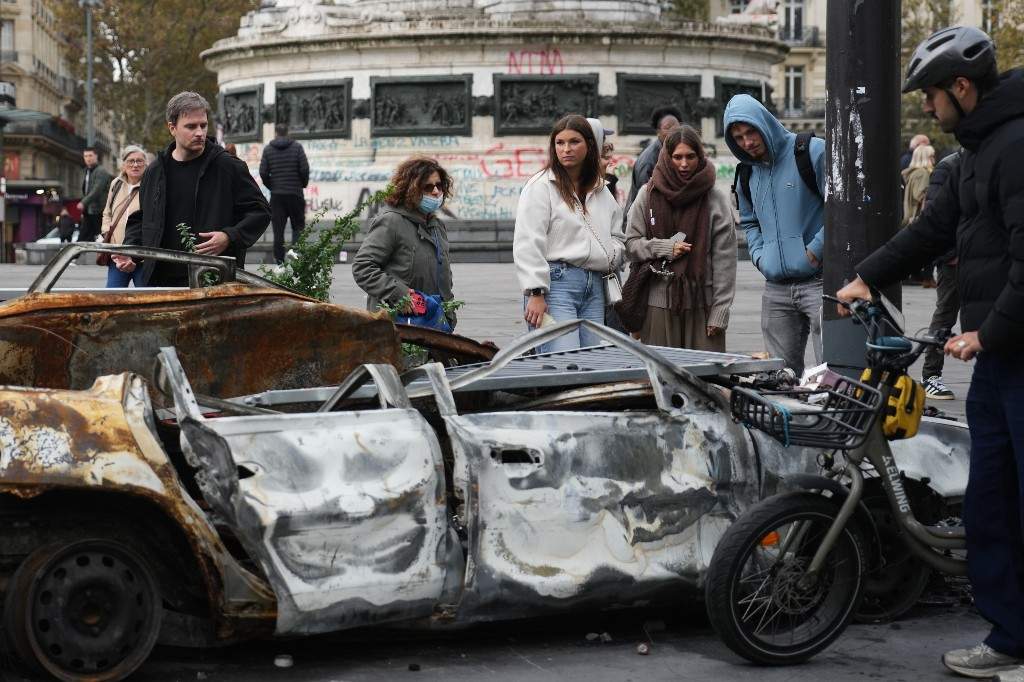
When French authorities rolled out nightly curfews "for as long as necessary" in Paris and other major cities after violent unrest in October 2026, the immediate headlines focused on burned-out cars, shattered storefronts, and tens of thousands of police on edge. What started as demonstrations over rising living costs and strained school conditions spiraled into rioting and looting across multiple cities, pushing officials to lock down sensitive zones after dark. Anyone watching the footage could see the strain immediately: a capital city trying to restore quiet while protesters, students, and confrontational crews tested police lines.
Honestly, treating a curfew as just a police schedule misses the bigger story. A curfew is an admission that ordinary crowd control isn't cutting it anymore, and in France it arrives on top of tight public finances, bitter political sparring, and frayed trust between neighborhoods and the state.
What Nightly Curfews in Paris Actually Do on the Ground
A Paris curfew sounds simple on paper: stay inside during set overnight hours unless you have a valid reason to move. In practice, life in a dense European capital doesn't switch off like a light bulb.
Police prefectures have targeted flashpoint areas—such as zones around Place de la République and Châtelet-Les Halles—with overnight restrictions and bans on demonstrations during evening and early-morning windows. One night might calm down after a tough patrol shift; the next might see hours adjusted or extended if officials expect fresh gatherings. If you live near a restricted perimeter, work a late shift, run a shop, or catch an early train, "stay home" isn't a neat rule. It's a logistical puzzle.
Under French rules for movement restrictions tied to public-order disturbances, getting caught outside without a valid exemption can trigger a fixed fine—starting at 135 euros and climbing higher if unpaid or sent before a court. Refusing or failing to prove your identity can lead to identity-verification detention capped at four hours, though a simple curfew breach isn't the same thing as joining a banned protest crowd after lawful dispersal warnings, which carries far steeper criminal penalties. Exemptions generally cover residents inside the zone, workers traveling to or from jobs, merchants, and emergency personnel, provided you can back up your status when stopped.
From experience covering high-tension nights in big cities, the sharpest friction rarely happens during a dramatic standoff. It happens at checkpoints at 11:15 p.m., when a tired delivery driver or night-shift nurse has to prove they belong on the street while officers are on edge.
The Trap of "For As Long As Necessary"
"For as long as necessary" is comforting for a minister trying to sound resolute. For residents and shop owners, it's maddening.
Open-ended security measures create uncertainty right when people are already stressed about bills and paychecks. Restaurants and late-night spots lose trade, deliveries get complicated, and travelers have to second-guess evening plans. Meanwhile, authorities have to weigh whether keeping restrictions in place cools tempers or fuels resentment among people who weren't throwing stones in the first place. Even when Prime Minister Sébastien Lecornu floated the possibility of leaning on stronger emergency powers—referencing the 1955 state-of-the-art framework that allows curfews, house arrests, and searches—that debate itself signals how serious leadership considers the pressure.
Why Unrest Keeps Boiling Over in France
If you've followed French street politics over the past decade, none of this feels like a freak accident. You can trace a familiar line from the yellow vest protests that began in 2018 over fuel prices and living costs, to the 2023 riots after a teenager was fatally shot by police, to the October 2026 flare-ups. Different sparks, same dry tinder.
High living costs hit everyday people fast. When fuel, groceries, and rent squeeze households while school conditions feel neglected, frustration doesn't stay polite for long. Add high-school and university students marching alongside harder-edged groups that look for clashes or looting, and peaceful marches can turn ugly in minutes.
A Budget With Very Little Wiggle Room
Here's the crunch point that makes the 2026 standoff stand out: the state has less fiscal breathing room to buy calm. In past cycles, governments sometimes tried to defuse anger with targeted subsidies, relief checks, or fast spending pledges. When borrowing costs press on public finances, writing big checks gets much harder.
Financial markets watch street disorder closely because prolonged instability raises doubts about political gridlock and fiscal discipline. Even President Emmanuel Macron's diplomatic push in the Gulf—including trips aimed at securing additional petrol and diesel supplies to ease pump prices—shows how tightly street anger is tied to energy and everyday costs.
Political rivals immediately turn the streets into a megaphone. Figures on the right have pointed to immigration, policing powers, and tough security measures, while officials and analysts debate everything from police tactics against mobile groups to deeper economic and generational strain. A 2026 TUI Foundation youth survey across seven European countries found 52% of 16-to-26-year-olds expected to be worse off than their parents, compared with 25% expecting to do better. When young people feel the ladder is pulled up, curfews treat the symptom, not the pessimism.
What Curfews Get Right—and Where They Fall Short
Let's be fair. A night curfew isn't useless.
By clearing out non-essential foot traffic late at night, police can spot smaller, mobile groups of troublemakers and looters more easily instead of sorting through crowds of bystanders. After the first curfew night following the weekend riots, officials and reporters noted quieter overnight stretches in parts of Paris and Lyon, giving battered neighborhoods a breather to clean up.
Still, curfews have obvious limits. First, they're blunt instruments. A law-abiding resident walking home from a late shift gets swept into the same perimeter rules as someone looking to smash a storefront. Second, curfews mainly shift the clock. If grievances over living costs, schools, or policing aren't addressed, anger often resurfaces during daytime marches, weekend rallies, or fresh strikes.
There's also a real debate over cause and blame. Ministers have pointed to confrontational troublemakers, looters, and activists, while protesters and critics point to economic strain and missteps in crowd management. Both sides aren't telling the whole story on their own. Street violence isn't excused by high prices, yet high prices and strained public services keep feeding the crowd that shows up.
How to Navigate Paris During a Curfew Without Getting Burned
If you're living in Paris, working there, or planning a trip while curfews or protest bans are active, don't wing it. Small mistakes get expensive fast.
- Check official prefecture orders daily: Curfew hours, exact street perimeters, and protest bans can shift by neighborhood and by night. Rely on official Préfecture de Police updates rather than old social media clips.
- Carry proof of exemptions: If you're legally out during restricted hours for work, residence inside the zone, or approved duties, keep clear documentation and ID handy so police checks don't drag out.
- Watch transit and late bookings: Evening metro stops, buses, late dining, and airport transfers can hit bottlenecks or closures near protest and curfew zones. Build extra buffer time into your schedule.
- Avoid curious crowd-watching: Standing near clashes or staying put after dispersal warnings puts you at risk of fines, detention delays, or worse—even if you're just trying to see what's happening.
- Track union and student calendars: Major marches and strikes are often announced ahead of time, so check transport advisories and travel guidance from your embassy or local authorities before heading out.
A quiet night behind closed shutters can buy a city time, and Paris has weathered plenty of storms before. Real stability, though, takes more than locked streets—it takes fixing why so many people felt pushed to the edge in the first place.