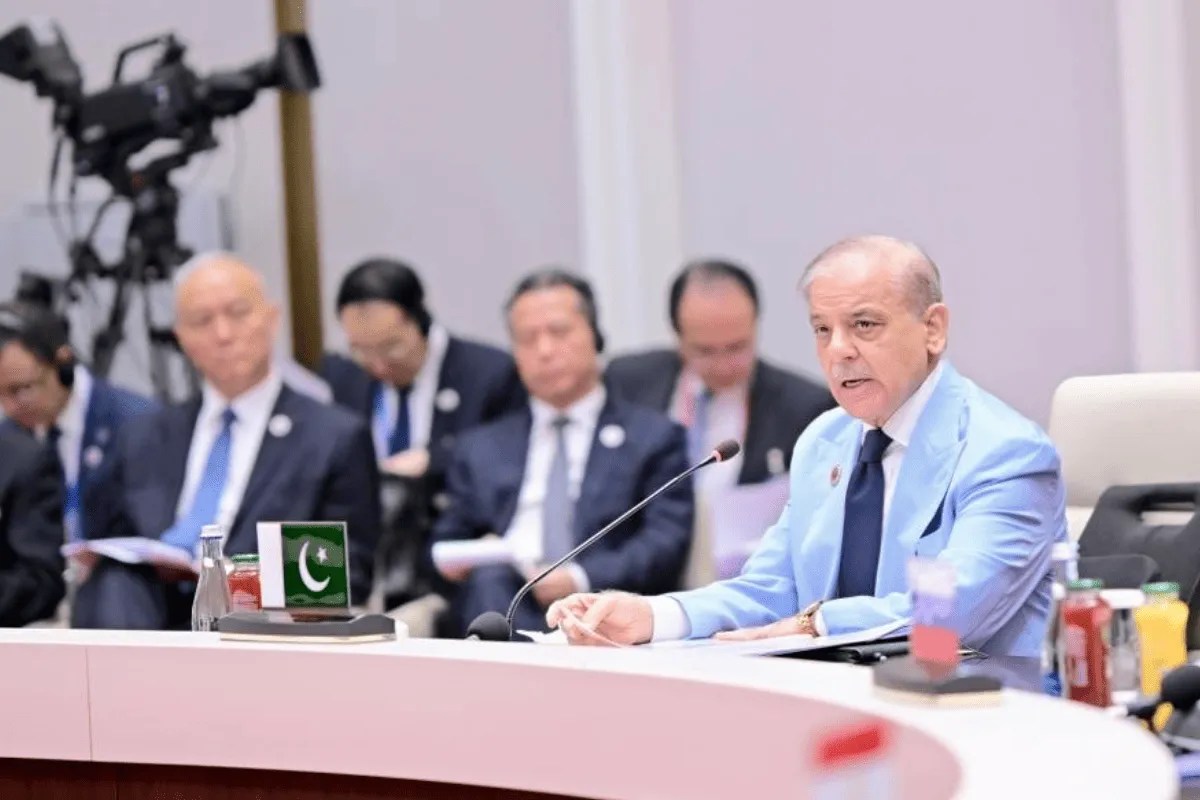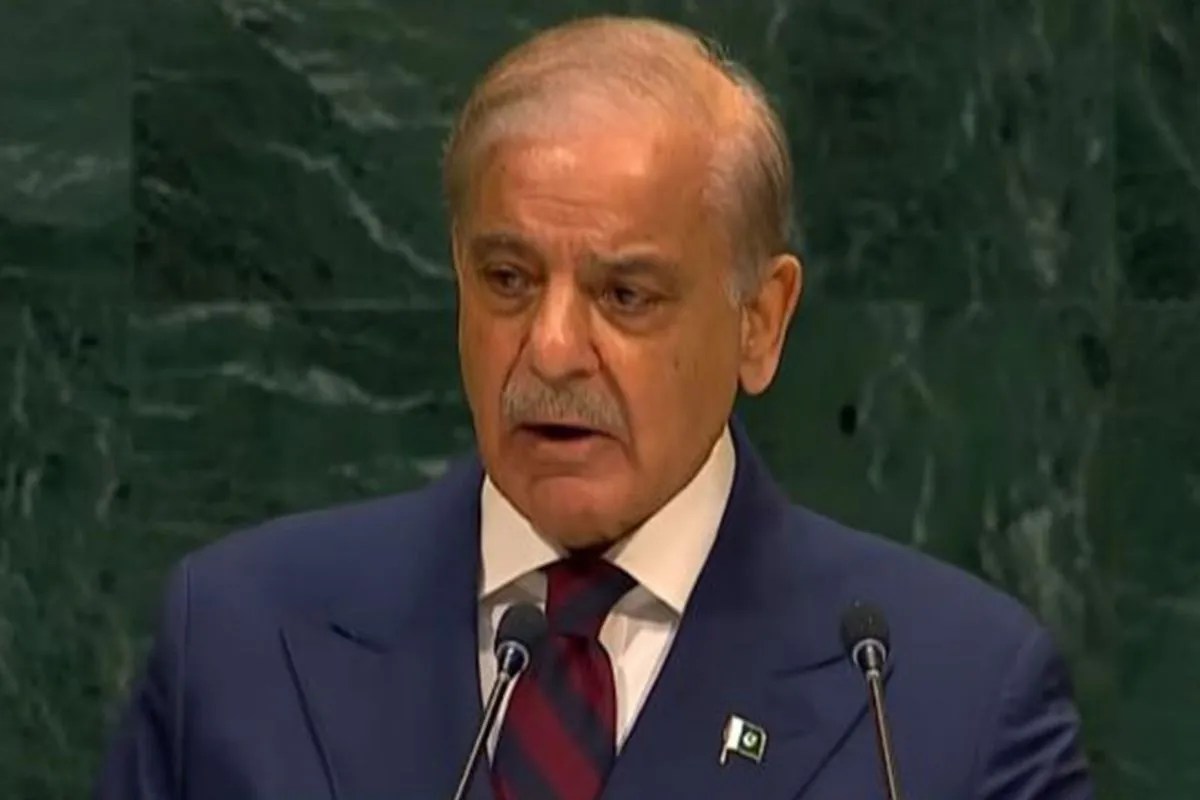
Every September, New York City plays host to the United Nations General Assembly, and with it comes a ritual as predictable as the changing leaves. Pakistani Prime Minister Shehbaz Sharif stepped up to the world stage during the 81st UN session and did exactly what his predecessors have done for decades. He talked about floods, global crises, and then he firmly steered the conversation straight back to Kashmir, demanding a "just and fair solution."
If you've watched international politics for more than five minutes, you already know the script. But beneath the familiar talking points lies a much deeper story about domestic survival, diplomatic fatigue, and a bilateral stalemate that refuses to budge. Let's break down what actually happened, why Islamabad keeps playing this specific card, and how New Delhi responds when the rhetoric starts flying. Meanwhile, you can explore similar developments here: Why Pakistan Calling the Indus Waters Dispute an Act of War Changes Everything.
The Script That Never Changes
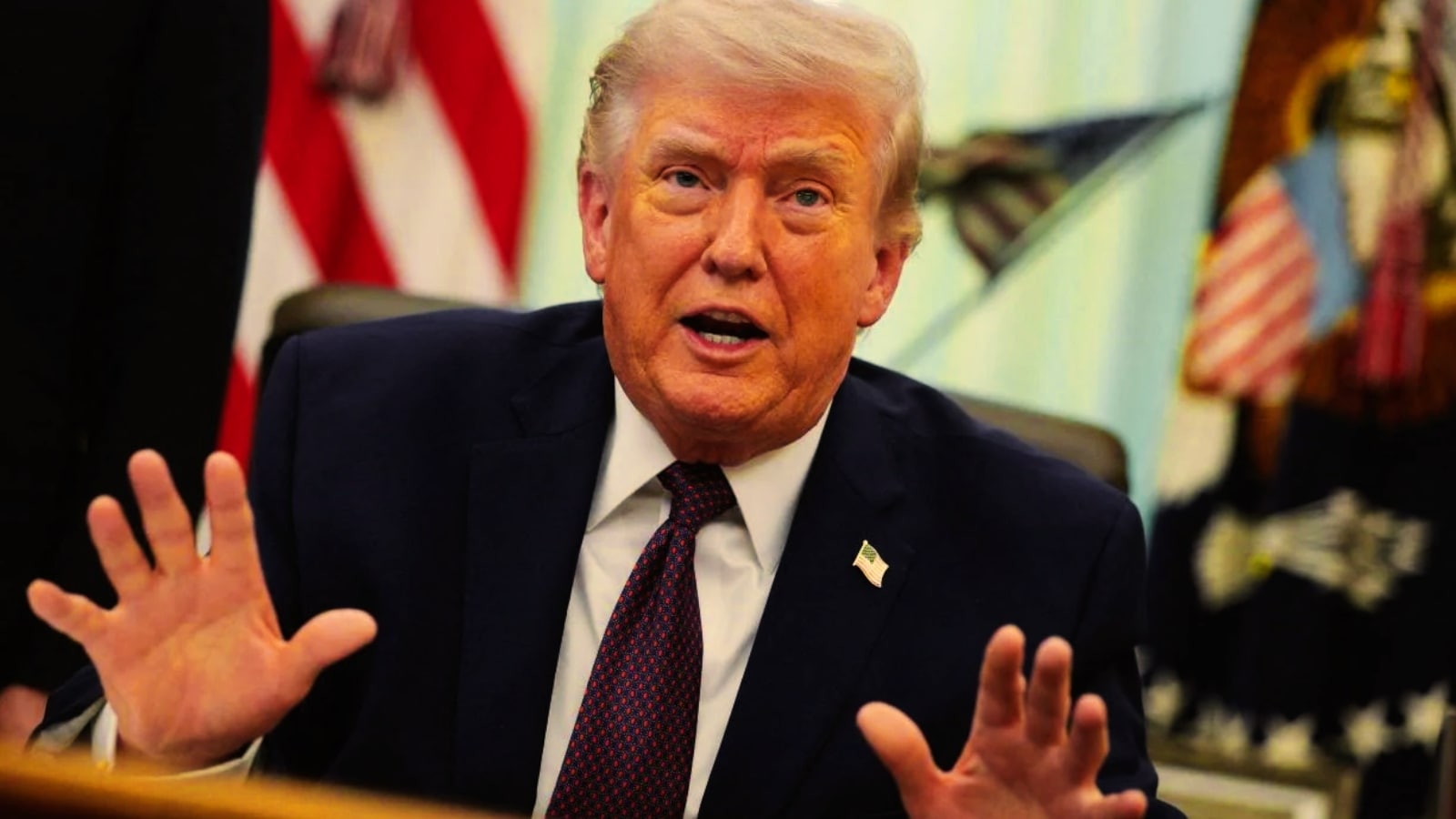
When Shehbaz Sharif addressed the UNGA podium, he didn't just mention Kashmir. He tied it into a wider narrative of regional instability, bringing up the tensions from the 2025 conflict with India and even publicly thanking US President Donald Trump for stepping in with a timely intervention. He accused India of systematic repression and demographic engineering in Jammu and Kashmir.
To anyone sitting in the General Assembly hall, it felt like déjà vu. Pakistan's leadership treats the UN platform as a domestic megaphone. When your economy is hanging by a thread, inflation is crushing the middle class, and political dissent is bubbling constantly at home, you need a distraction. Pointing fingers across the eastern border has been the oldest playbook in Islamabad for generations. It rallies domestic support, keeps the military establishment happy, and shifts public anger away from governance failures. To see the bigger picture, we recommend the recent article by NBC News.
Why Islamabad Can't Let Go of the Narrative
You might wonder why Pakistani leaders keep pushing an issue that yields zero practical results on the global stage. After all, the United Nations Security Council resolutions from the late nineteen-forties are practically ancient history in diplomatic terms, and major global powers have made it clear they view Kashmir as a bilateral matter to be sorted out directly between New Delhi and Islamabad.
The answer comes down to internal politics. In Pakistan's unique power structure, where the military still pulls the strings behind a civilian facade, talking tough on Kashmir is a prerequisite for political survival. No prime minister can afford to look soft on India without facing immediate backlash from hardline factions and intelligence brass. So, they go to New York, read the familiar lines about self-determination and human rights, and check the box for their domestic constituents. They know nobody in the West is going to force a plebiscite. They do it because they don't have another political gear.
India's Hardline Response and the Diplomatic Counterpunch
New Delhi stopped playing the nice-neighbor defense years ago. Instead of ignoring Pakistan's jabs or offering mild diplomatic protests, Indian diplomats now treat the UNGA right-of-reply as an opportunity to expose Islamabad's double standards on a global broadcast.
During the recent UN session, Indian diplomats didn't hold back. They pointed out the blatant hypocrisy of a regime that preaches security by day while breeding cross-border terrorism by night. They reminded the international community of historical embarrassments, like the fact that Osama bin Laden lived comfortably near a premier Pakistani military academy for years before US Navy SEALs ended him. They called out Pakistan's dismal treatment of its own religious minorities and its draconian blasphemy laws.
India's stance is crystal clear. Jammu and Kashmir is an integral, sovereign part of the country, period. The abrogation of Article 370 is a closed chapter, local elections happen regularly, and the region is integrating faster into the national mainstream. By suspending key diplomatic mechanisms like the Indus Waters Treaty following major terror attacks, New Delhi has signaled that cross-border provocation carries a very real cost. There's zero appetite in India for third-party mediation or re-opening talks while militant groups operate freely on Pakistani soil.
The Global Indifference to Regional Grievances
If you walk the corridors of the UN headquarters during General Assembly week, you realize something stark. Most world leaders simply do not care about the Kashmir dispute anymore.
Global diplomacy is currently consumed by massive, burning fires elsewhere. Wars in Eastern Europe and the Middle East, escalating tensions in the South China Sea, global supply chain shocks, and climate catastrophes dominate every major bilateral meeting. When a Pakistani prime minister spends half his speech talking about a regional land dispute that has stayed frozen for seventy-five years, foreign diplomats check their watches.
The international community suffers from severe crisis fatigue. They want trade routes kept open and nuclear flashpoints contained. They certainly aren't going to spend political capital pressuring a nuclear-armed India over an issue that New Delhi guards with absolute sovereign resolve. Pakistan's insistence on internationalizing the dispute falls flat because the world has moved on to more pressing economic and security anxieties.
What This Means Moving Forward
Nothing is going to change anytime soon. Shehbaz Sharif's speech at the UNGA won't shift a single line on the map, nor will it compel New Delhi to reverse its domestic policies in Kashmir. It was designed for the television screens back in Lahore and Karachi, not for the diplomats in New York.
Until political leadership in Islamabad finds the courage to look past external grievances and focus on fixing its own broken economy and internal security apparatus, these speeches will repeat year after year. It's empty theater played out on a global stage, signifying nothing except the stubborn refusal to accept geopolitical reality.