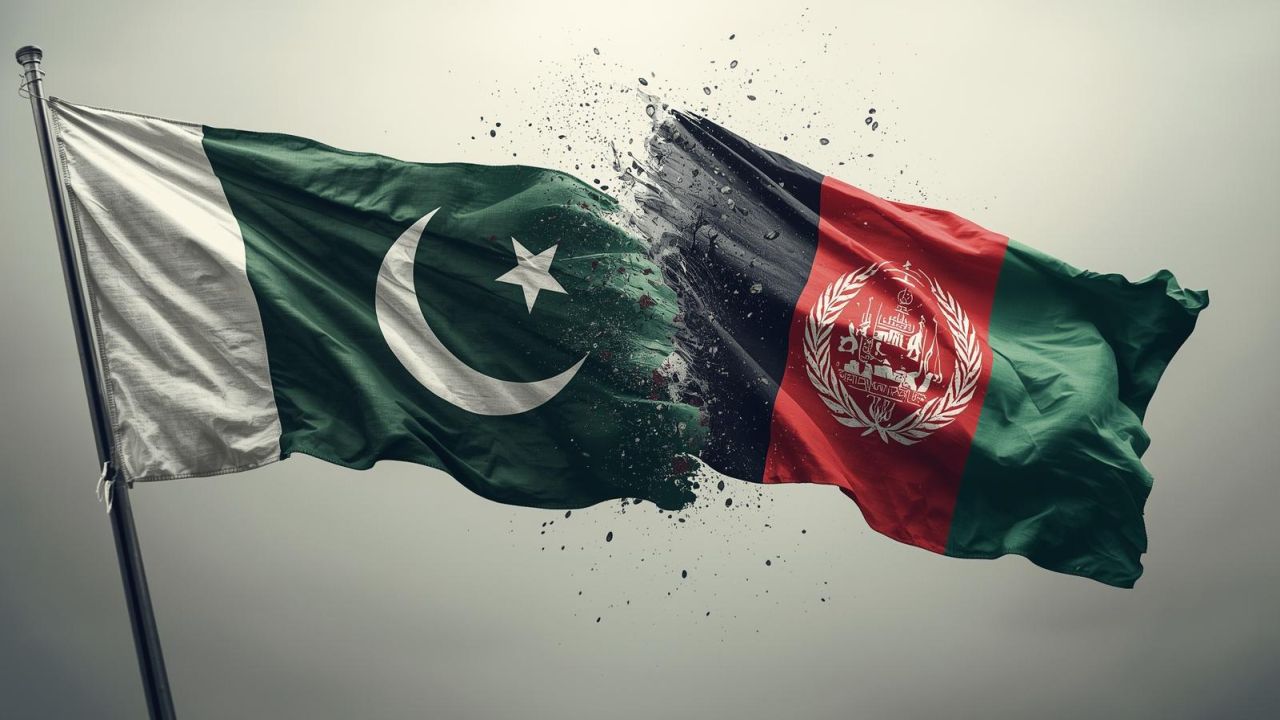
Pakistan is trying to pull off the diplomatic heist of the century, but its own backyard is on fire. Right now, Islamabad is positioning itself as the primary mediator for high-stakes peace talks between the United States and Iran. It’s a bold move that could shift the entire power dynamic of the Middle East. There’s just one massive problem: while Pakistani diplomats are busy setting the table for a potential Trump-Iran summit, their soldiers are trading heavy artillery fire with the Taliban along the Afghan border.
You can't exactly sell yourself as a regional peacemaker when you're in an "open war" with your next-door neighbor. On Sunday, March 29, 2026, just as Pakistan’s Foreign Minister Ishaq Dar was wrapping up a high-level meeting with top diplomats from Saudi Arabia, Turkey, and Egypt, the guns started roaring again in the Kunar and Bajur districts. This isn't just a minor skirmish. It's a systemic breakdown of security that threatens to make Islamabad look like an unreliable host for the world's most sensitive negotiations.
The Chaos on the Durand Line
The timing of this latest flare-up couldn't be worse. Pakistan recently ended a temporary Eid al-Fitr ceasefire, and the Afghan Taliban didn't take it sitting down. Both sides are currently using heavy weaponry—artillery, mortars, and drones—to hit targets across the disputed 1,622-mile border known as the Durand Line.
Afghan officials claim Pakistani shelling killed at least one person and injured 16 others in Kunar province, mostly women and children. Pakistan, for its part, says it’s only responding to unprovoked fire from the Taliban side. Honestly, the "who started it" game is getting old. The real issue is that the relationship between these two has completely tanked since the Taliban returned to power in 2021.
Islamabad is furious because they believe the Taliban is giving a safe haven to the Tehrik-e-Taliban Pakistan (TTP). These militants have been tearing through Pakistani security forces for years. Kabul, meanwhile, says Pakistan's security issues are a domestic problem and accuses Islamabad of "double games" and harboring ISIS-K members. It’s a mess of finger-pointing that has now escalated into what Pakistan's own Defense Minister called an "open war."
Casualties and the Human Cost of 2026
- Massive Displacement: Over 115,000 Afghan civilians and thousands of Pakistanis have fled their homes since the February strikes.
- Trade Paralysis: Major arteries like Torkham and Chaman are shut indefinitely. This isn't just a delay; it’s a $177 million-a-month hole in the Pakistani economy.
- Civilians in the Crosshairs: From the strike on a Kabul rehab center in February to yesterday's artillery fire, the "collateral damage" is mounting.
The US Iran Connection
So, why does this border war matter for global diplomacy? Because Pakistan wants to be the bridge between Washington and Tehran. Prime Minister Shehbaz Sharif recently announced that Islamabad is ready to host "meaningful and conclusive" talks to end the wider Middle East war.
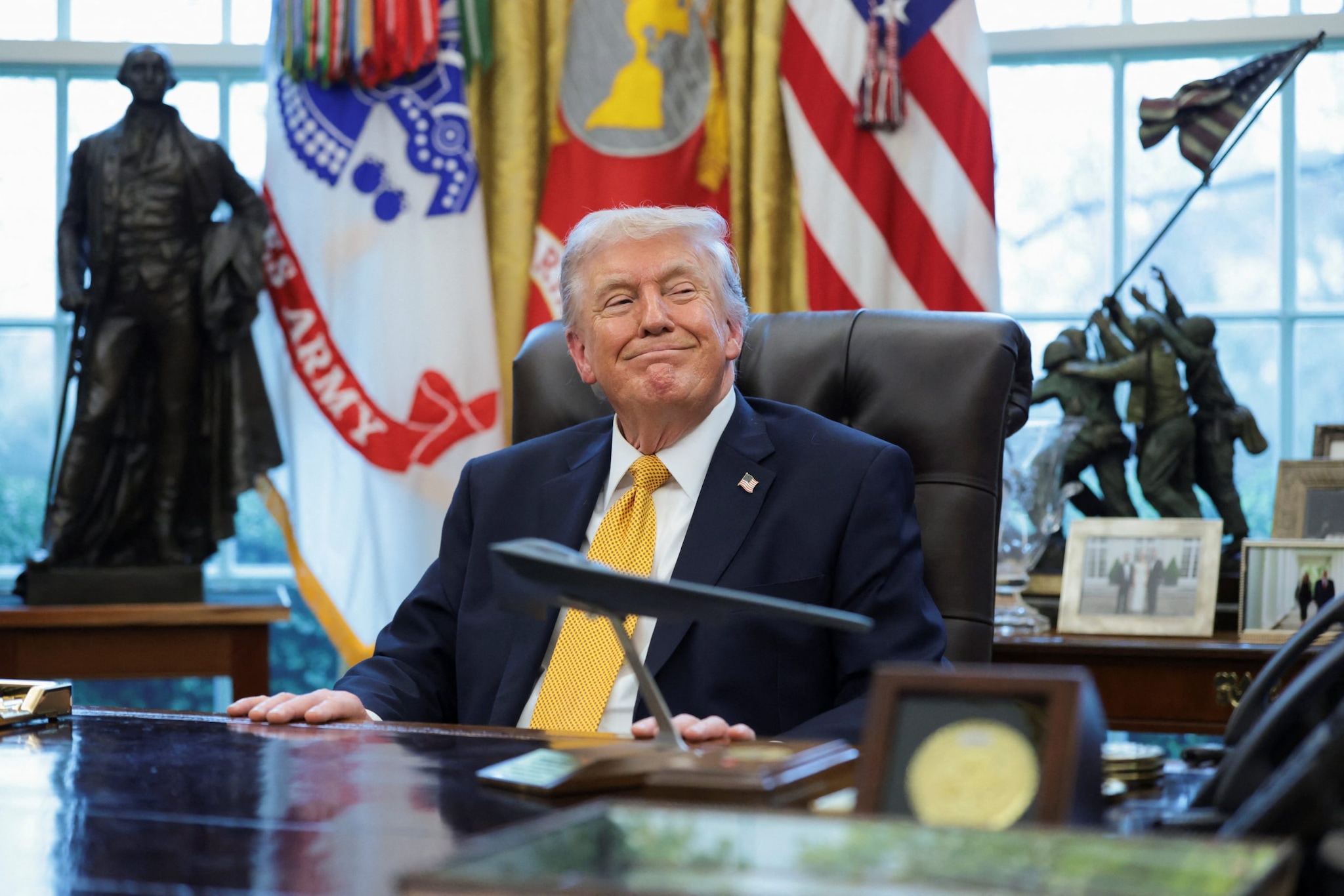
It’s not just talk, either. There are reports of a 15-point US proposal already reaching Tehran via Pakistani channels. President Trump has even been seen on social media signaling that a deal might be close. If Pakistan pulls this off, it becomes the most important diplomatic hub in South Asia.
But there’s a massive credibility gap. If you’re Iran or the US, do you really want to hold a summit in a capital where the military is simultaneously managing a hot war on its northern border? The instability makes the venue look "soft" from a security perspective. It also suggests that Pakistan’s military and intelligence services might be too distracted by the Taliban and the TTP to fully guarantee the safety and focus required for a historic peace accord.
Why the Taliban Won't Back Down
You’d think the Taliban would want a stable Pakistan to ensure their own economic survival, but the ideological ties between the Afghan Taliban and the TTP are deeper than many realize. For the Taliban leadership, handing over TTP fighters to Pakistan would look like a betrayal to their own hardliners.
Instead, they’ve started pivoting away from Pakistan entirely. They’re building massive trade ties with Uzbekistan and Kazakhstan—already hitting $1.7 billion—and moving freight through Iran. Basically, they're showing Islamabad that they don't need the Torkham border to keep the lights on in Kabul. This economic decoupling gives them more room to be aggressive on the border without fearing a total collapse.
The Real Stakes for Islamabad
Pakistan is currently trapped in a pincer movement. On one side, it has the opportunity to gain massive international prestige (and likely financial relief) by brokering a US-Iran deal. On the other, it faces a mounting insurgency and a hostile neighbor that refuses to acknowledge the border.
If the border fighting continues to escalate, it provides a perfect excuse for spoilers—like those in Israel or hardliners in Tehran—to dismiss the Islamabad talks as a non-starter. You can't host a "comprehensive settlement" for one war while you're actively losing the peace in another.
What Happens Next
- Watch the Torkham Gate: If it stays closed for another month, the economic pressure on Pakistan's Khyber Pakhtunkhwa province might force a desperate military escalation or a humiliating climb-down.
- Monitor the "Committee of Four": The group formed by Pakistan, Saudi Arabia, Turkey, and Egypt is the real engine behind the US-Iran talks. If they pivot the venue to Istanbul or Doha, it’s a sign that they’ve lost faith in Islamabad’s stability.
- The April 6 Deadline: Trump has set a deadline for Iran to accept a deal. If the border fire between Pakistan and Afghanistan hasn't cooled by then, don't expect the summit to happen on Pakistani soil.
If you’re watching the news, don't just look at the headlines about Iran. Keep an eye on the artillery reports from Kunar and Bajur. That’s where the real fate of Pakistan’s diplomatic ambitions will be decided. Islamabad needs to secure its own house before it can hope to fix someone else's.
To stay ahead of this crisis, you should keep a close watch on official statements from the Pakistani Ministry of Foreign Affairs and the UNAMA casualty reports. If you're involved in regional trade, start looking into the "Northern Route" through Central Asia, as the Durand Line isn't opening anytime soon.