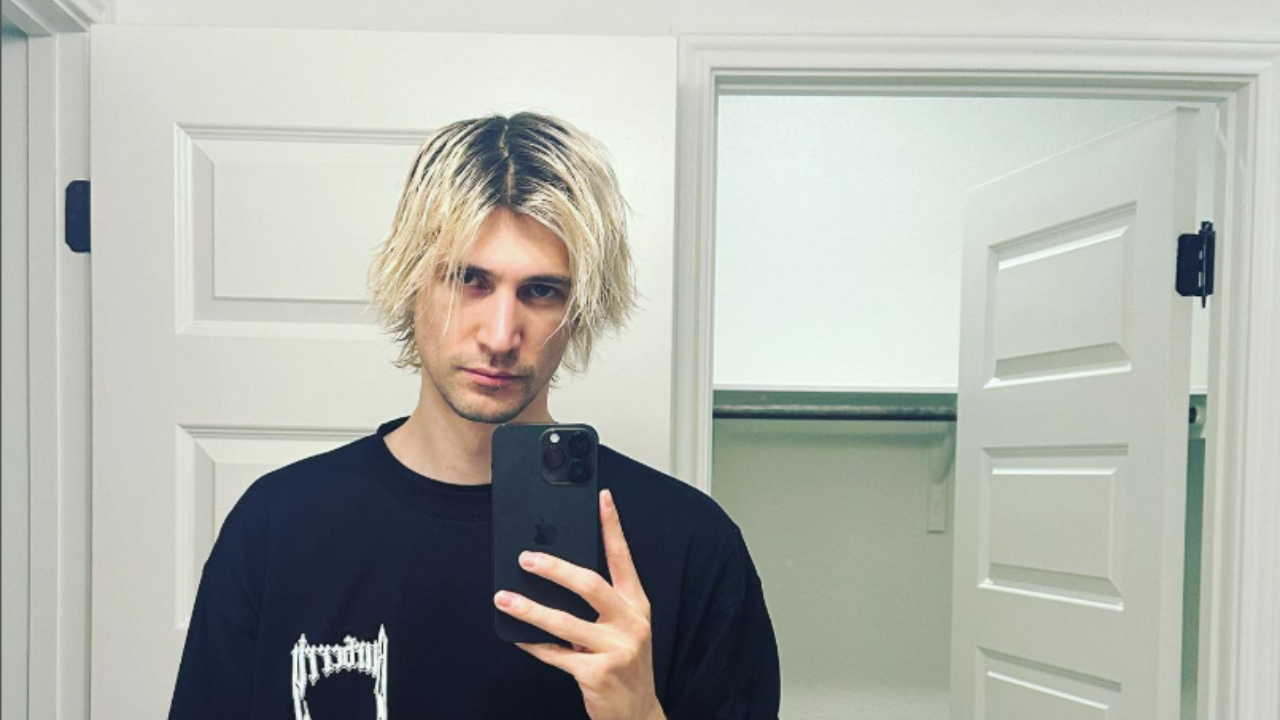
The recent accusations from Felix "xQc" Lengyel regarding "botted" viewership in the Overwatch League (OWL) are not merely the ramblings of a disgruntled former pro. They represent a fundamental fracture in how the industry measures success. When the world’s most prominent streamer claims that a significant portion of a league's audience consists of empty browser tabs and automated scripts, he is pointing at a systemic rot that has plagued Blizzard’s flagship esport since its inception. The numbers were not just inflated; they were engineered to satisfy stakeholders who cared more about metrics than actual humans watching the screen.
The core of the issue lies in the incentive structure created by Blizzard. By tying in-game rewards—specifically "Overwatch League Tokens"—to viewership hours, the league essentially incentivized "passive viewing." Millions of fans would open a stream, mute the tab, and leave it running in the background to farm skins. On paper, this counts as a viewer. In reality, there is no eyes-on-glass engagement. Advertisers pay for attention, but in the OWL ecosystem, they were often paying for ghosts.
The Mechanics of an Artificially Inflated Ecosystem
To understand why these claims carry such weight, you have to look at the embedded player technology Blizzard utilized. Unlike organic growth seen on platforms like Twitch or YouTube, a massive chunk of OWL's "reach" came from embeds on third-party websites. When a stream is embedded on a high-traffic gaming news site or a wiki page, every person who loads that page is counted as a "viewer," even if they never scroll down to see the video player.
This is a legal but deceptive practice known as viewership padding. It creates a massive discrepancy between the "Peak Viewers" reported in press releases and the actual community sentiment found in chat or social media.
The Token Trap
The Token system was the primary engine of this inflation. Fans weren't watching because the meta was exciting or the rivalries were heated; they were watching because the "cost" of a legendary skin was three hours of a muted stream. This creates a false positive for marketing departments. When xQc says the numbers were "so botted," he is referencing the observable reality that the chat velocity—the speed at which messages are sent—rarely matched the massive six-figure viewership numbers being claimed.
In a healthy stream, 100,000 viewers produce a chaotic, unreadable torrent of text. In many OWL broadcasts, that same number of "viewers" produced a trickle of conversation. The math simply did not add up.
Why the Industry Ignored the Red Flags
For years, the Overwatch League was the "darling" of institutional investors. Traditional sports owners from the NFL and Kraft Group poured $20 million per slot into the first season, with buy-ins eventually reaching $60 million. These investors were sold on a dream of localized esports, a model that mimicked the NBA or MLB.
The problem is that esports is inherently global and digital. By trying to force a 20th-century business model onto a 21st-century medium, Blizzard needed to show astronomical growth to justify the astronomical entry fees. Admitting that a third of the audience was just there for free skins would have crashed the valuation of every team in the league.
The YouTube Pivot
The move from Twitch to YouTube in 2020 was a turning point. While the deal was worth a reported $160 million, it stripped away the "front page" discovery that Twitch provided. To compensate for the loss of organic traffic, the league leaned even harder into rewards and embeds. This created a feedback loop of irrelevance. The harder they tried to manufacture an audience, the less authentic the remaining audience felt.
The Ripple Effect on Professional Talent
The human cost of these "botted" numbers is often overlooked. Professional players and coaches built their lives around a league that was effectively a house of cards. When viewership is inflated, players are paid based on a perceived market value that doesn't exist. This leads to a bubble economy.
- Salary Bloat: Teams paid mid-six-figure salaries to players based on projected sponsorship revenue that never materialized because sponsors eventually realized the "millions of viewers" weren't seeing their logos.
- Burnout: Players were forced into grueling schedules to maintain a broadcast product that was increasingly being watched by muted browser tabs.
- Lack of Leverage: When the league finally collapsed and transitioned into the Overwatch Champions Series (OWCS), the players were left with no safety net because the "value" they thought they were building was tied to an artificial metric.
A Warning for the Future of Esports
What happened to the Overwatch League serves as a grim blueprint for what happens when metrics-driven management overrides community-driven growth. If a league has to pay its audience to watch through digital trinkets, it doesn't have a fanbase; it has a temporary workforce.
The industry is currently undergoing a "Great Reset." We are seeing a move away from massive, centralized leagues toward decentralized, tournament-based circuits. The lesson here is clear: Authentic engagement is the only currency that matters. 10,000 fans who are screaming in a stadium or active in a chat room are worth more than 500,000 muted tabs.
Investors are now looking for "Zero-Base Budgeting" in esports. They want to see real numbers. They want to see how many people actually buy the merchandise, not how many people left a stream running while they went to work. The "botted" era of the OWL is a cautionary tale of what happens when you prioritize the spreadsheet over the spectator.
The Verdict on xQc's Claims
While "botted" is a loaded term that implies malicious software, in the context of the Overwatch League, it describes a manufactured audience. Whether those viewers were literal scripts or just uninterested fans farming rewards, the result was the same: a hollowed-out product that couldn't survive the scrutiny of a real market.
Blizzard didn't just fail to build a sustainable league; they failed to realize that in the digital world, you cannot fake passion. You can buy views, but you cannot buy a community. The collapse of the OWL was not an accident; it was the inevitable result of a business model built on the backs of ghosts.
Teams that survived this era are now pivoting toward "lifestyle brands" and "content creator" models. They have realized that the broadcast itself was never the product. The product was the connection between the player and the fan. Without that, you just have a very expensive video game match playing to an empty room.
The era of the "Mega-League" is likely over. In its place, we are seeing the rise of lean, community-led initiatives that value transparency over inflated KPIs. This shift is painful, but necessary. It is the only way to ensure that the next decade of competitive gaming is built on a foundation of reality rather than a clever trick of the browser.
Stop looking at the concurrent viewer count and start looking at the engagement. If the chat is dead, the league is dead. It is that simple.