Harnessing the raw motion of the ocean has always sounded like a brilliant idea on paper, but turning angry Pacific swells into reliable electricity is brutally hard. For decades, marine energy developers watched their expensive prototypes get chewed up by saltwater or trapped in endless bureaucratic loops. That bottleneck finally shattered off the coast of Newport, Oregon.
The PacWave South facility changed the math for wave power. Spanning two square nautical miles of open ocean, this grid-connected test site allows engineers to plug heavy wave energy converters directly into the local power grid. It is the first facility of its kind in the continental United States.
Cutting Through the Red Tape
Building anything in the ocean is a regulatory nightmare. Usually, you spend years and millions of dollars just fighting for permits from federal and state agencies. Oregon State University and the U.S. Department of Energy sidestepped that barrier by securing a 25-year Federal Energy Regulatory Commission operating license ahead of time.
Because PacWave South is pre-permitted, technology developers do not have to start from scratch. They can drop their devices into high-energy ocean conditions without spending a decade in court. That administrative shortcut saves startups from bankruptcy. It transforms abstract theories into tested hardware.
How the Infrastructure Works
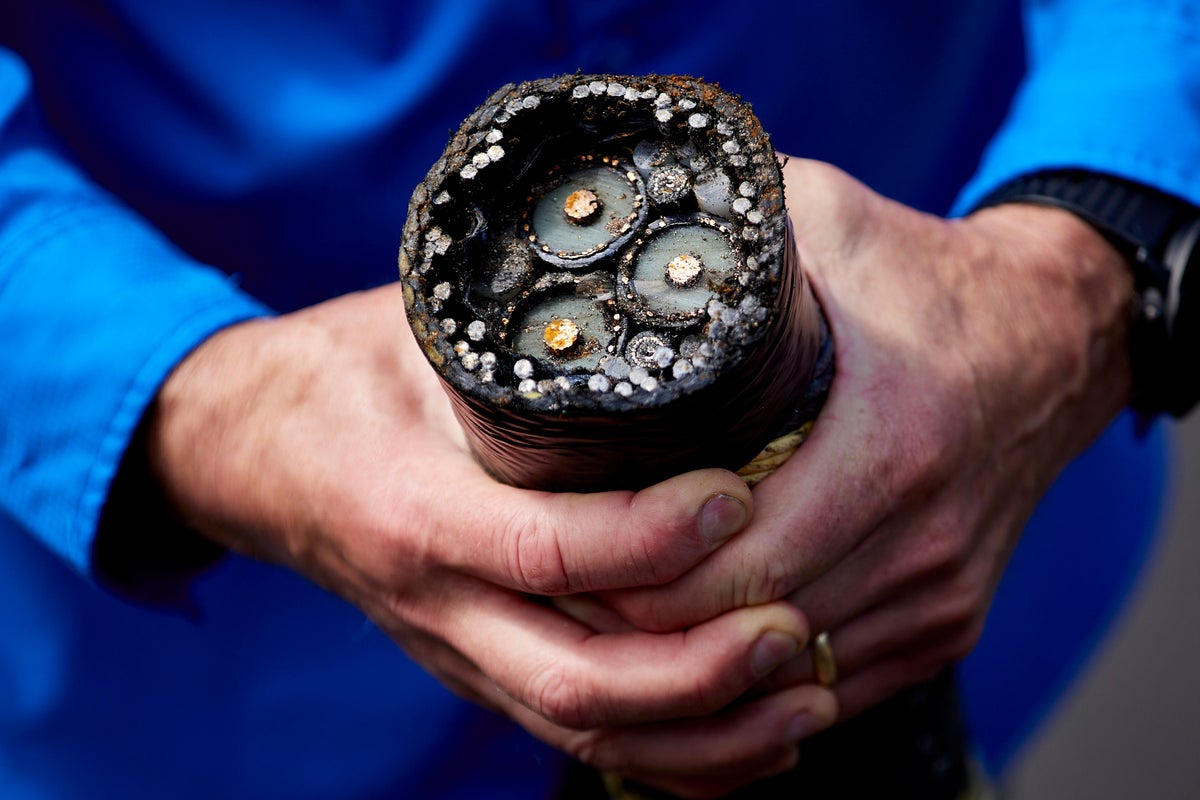
The engineering setup offshore is massive. Four separate test berths sit roughly seven miles off the Pacific coast. Each berth links to the shore via dedicated subsea power and data cables that stretch twelve total miles to a facility on land.
The site handles up to twenty wave energy converters simultaneously, supporting a combined generating capacity of twenty megawatts. Onshore, the Utility Connection and Monitoring Facility monitors incoming data streams in real time. Engineers can track stress loads, power output, and structural integrity without getting tossed around on a research vessel.
The Political and Economic Reality
The push for marine energy has always transcended standard partisan lines, gaining momentum across multiple presidential administrations—including significant federal funding milestones set during the Trump administration through the Department of Energy. Administrations come and go, but the push to diversify domestic energy portfolios remains constant. Coastlines offer massive, untapped kinetic potential.
Local commercial fishing communities and environmental stakeholders were brought into the planning process early. Avoiding conflicts with local fisheries kept the project alive where others failed.
What Comes Next for Marine Power
Wave power still lags behind wind and solar in total deployment. Solar panels and wind turbines enjoy mature supply chains and massive cost advantages. Waves, by contrast, demand mechanical systems that survive relentless storms, biofouling, and corrosive salt spray.
With PacWave South fully operational, the industry finally has a proving ground. If a device survives the brutal winter swells off Oregon, it can survive almost anywhere. Developers can finally iterate fast, tweak designs, and push marine energy toward actual commercial viability.


