Security alerts don't usually clear out the front rows of international energy conferences. But when corporate leadership teams start altering flight paths overnight, the luxury hotels in Riyadh notice.
Geopolitical risk used to be a footnote in quarterly earnings reports. Now it dictates who sits at the table when multi-billion dollar production quotas get negotiated. If you've been watching how global commodity markets react to regional missile strikes, you know the physical safety of executives has transformed into an immediate operational crisis for major energy firms.
Let's look at what actually happens behind closed doors when a security threat grounds private jets across the Middle East.
The Real Cost of Regional Volatility
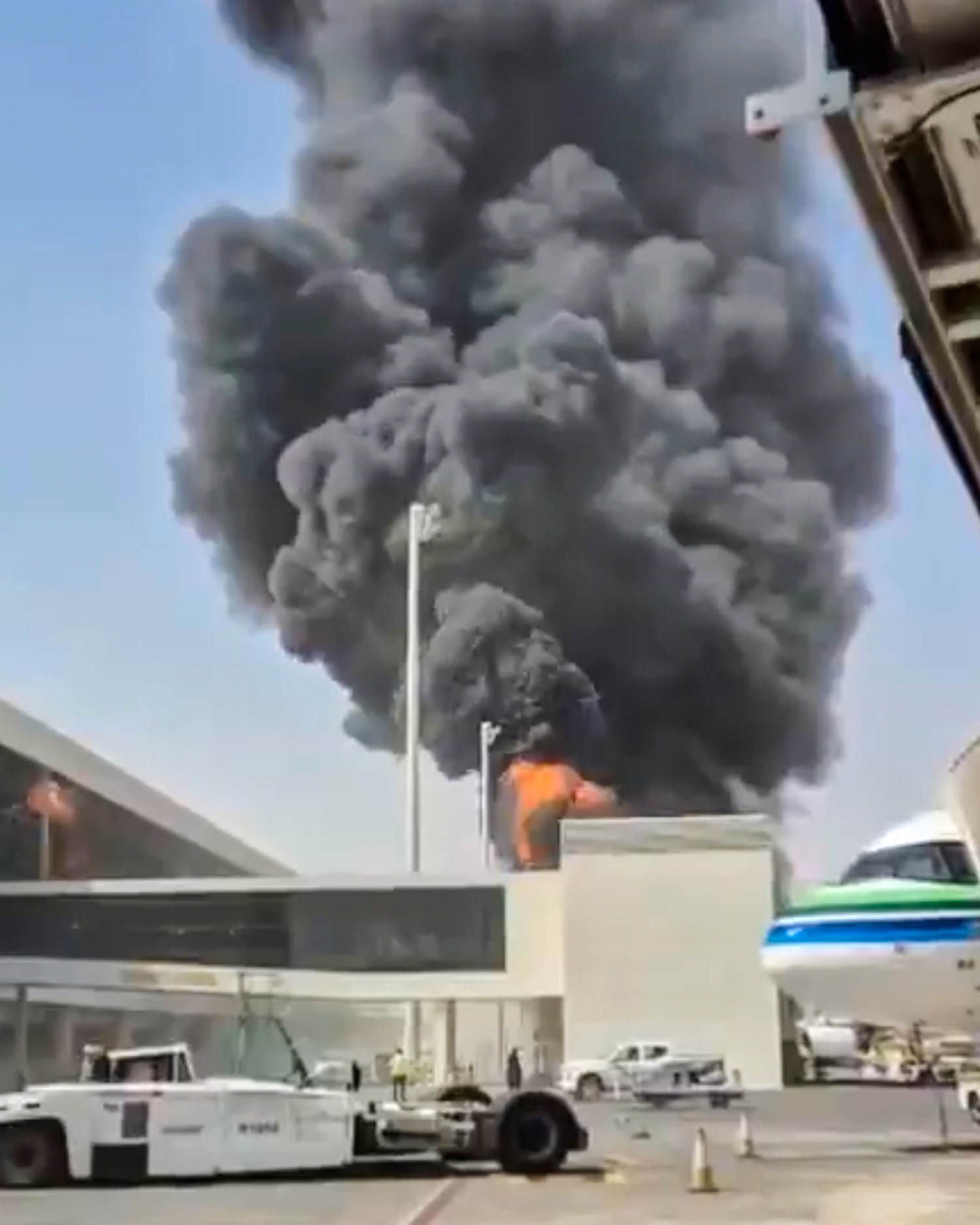
When security analysts track threats near critical infrastructure like international airports, the calculus for corporate boards changes instantly. Chief executive officers from Houston, London, and Tokyo aren't risk-averse by nature, but their insurers and security details certainly are.
A sudden missile strike near a major transportation hub forces an immediate triage protocol.
- Private charters get grounded.
- Commercial air corridors face sudden rerouting.
- Crisis management committees activate emergency response protocols from thousands of miles away.
You can't negotiate long-term supply agreements or hash out OPEC-adjacent strategies over grainy video calls when trust requires physical proximity. Yet, walking into a conference venue that just weathered an aerial threat pushes liability limits past corporate tolerance thresholds.
How Markets Misread Executive Absences
Traders love a simple narrative. When news breaks that top energy executives skipped a high-profile summit in Saudi Arabia, algorithmic feeds usually flash panic. Crude prices jump. Analysts scream about supply chain fractures.
That reaction misses the operational reality.
CEOs pulling out of a summit doesn't mean oil stops flowing out of the Ghawar field. Extraction pumps keep running. Tankers still clear the Strait of Hormuz. What actually breaks down is diplomacy.
Energy policy runs on quiet corridors, late-night handshakes, and unscripted hallway conversations. When Western executives stay home because of localized missile threats, those informal diplomatic channels go dark. You end up with fragmented communication between state-owned enterprises and private supermajors. That silence creates policy miscalculations down the road.
The Shift Toward Decentralized Energy Diplomacy
For decades, centralized summits in Gulf capitals served as the undisputed epicenter of petroleum politics. Every major player felt obligated to show face, shake hands, and pose for group photos under glittering chandeliers.
That era is ending.
Boardrooms are shifting toward regional hubs and secure, localized consultations. Energy security isn't just about protecting pipelines anymore; it's about protecting the decision-makers themselves. When physical attendance at mega-conferences carries unacceptable safety risks, companies simply distribute the diplomatic load. Regional vice presidents step in, or meetings move to neutral territories.
This decentralization makes forecasting harder for independent traders and hedge funds. Instead of watching one massive summit to gauge global production consensus, you have to monitor a dozen scattered diplomatic touchpoints.
What This Means for Global Markets Next
Volatility is the new baseline. As long as regional conflicts cast shadows over aviation corridors in the Middle East, high-level attendance lists at Gulf energy summits will shrink.
Don't expect production to halt, but do expect diplomacy to grow more brittle. When leaders stop meeting face-to-face, misunderstandings compound. Keep a close eye on bilateral agreements negotiated away from the cameras, because that's where real energy policy is getting written right now.