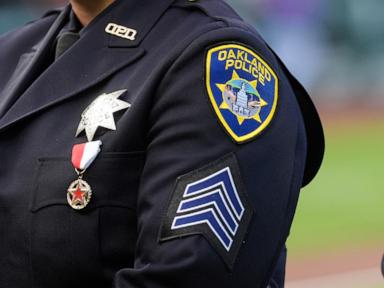
Twenty-three years is a long time for a city to stay under a microscope. U.S. District Court Judge William H. Orrick finally pulled the plug on federal oversight of the Oakland Police Department. That move officially closed the longest-running police monitorship in American history.
If you've followed local California politics, you know this story started way back in 2003. It followed a notorious scandal involving a rogue group of officers known as the "riders". Those cops planted evidence, fabricated police reports, and beat suspects in the flatlands of West and East Oakland. The resulting civil rights lawsuit brought a negotiated settlement agreement containing 51 specific reform tasks.
Now, the feds are stepping back. But does that mean policing in Oakland is actually fixed? Let's look at what changed, what didn't, and why everyone from civil rights lawyers to community activists remains deeply divided.
The Long Road to Compliance
Two decades of court monitoring cost taxpayers millions and exhausted multiple police chiefs, mayors, and federal judges. The department missed deadlines for years. Reforms stalled. Leadership churned through a revolving door.
Yet, earlier this year, court-appointed monitor Robert S. Warshaw reported that the department had finally achieved compliance with all 51 mandate requirements. That milestone gave Judge Orrick the legal opening to dismiss the case with prejudice.
During the final hearing, Orrick made his stance clear. Federal judges shouldn't run local police departments forever. At some point, the training wheels have to come off.
"Please strive for excellence," Warshaw told OPD officers as he wrapped up his tenure. "Today is not a ceiling. It's a floor. It's not the end of something. It's a beginning."
Who Watches the Watchmen Now?
With the federal monitor packing up boxes, accountability shifts entirely to local hands. Specifically, the job falls to the Oakland Police Commission, a civilian oversight body made up of volunteers.
That handoff worries a lot of people. Critics point out that the commission has historically struggled with funding and administrative resources. If a civilian oversight board lacks the budget to hire investigators or subpoena records independently, bad behavior behind the badge can easily stay hidden.
Civil rights attorney John Burris, who helped spearhead the original 2003 lawsuit, used a Greek mythology metaphor to describe the situation. He noted that he and his co-counsel had spent 23 years pushing a heavy rock up a mountain. Now, they are walking away, leaving the city to keep the boulder from rolling back down.
Burris admitted he still has concerns. He doesn't believe perfection exists inside the department. But he feels confident that modern officers are better supervised than the generation that triggered the Riders scandal. His parting promise? If the department slips back into unconstitutional habits, his firm will file suit all over again.
The Community Divide
Talk to residents in East Oakland, and you will hear a different tone. Many grassroots organizers argue that federal monitoring barely scratched the surface of daily street-level policing.
Activists from groups like the Anti-Police Terror Project argue that the department's underlying culture remains aggressive. They contend that structural oppression didn't disappear just because a checklist of bureaucratic reforms got checked off on paper. For neighborhoods that spent generations viewing the badge with suspicion, an exit by federal authorities feels less like a graduation and more like an
Why Ending Federal Oversight of the Oakland Police Department Changes Everything
news
After twenty-three years of federal oversight, the Oakland Police Department is finally standing on its own. Let that sink in. Two decades of court-appointed monitoring, endless compliance reports, reform promises, and millions of taxpayer dollars spent trying to fix a broken agency.
Most people look at a headline like this and assume it means success. They think the job is done. But if you've spent any time tracking police reform in America, you know reality is rarely that neat. Federal oversight ending doesn't mean the work stops. It means the safety net is gone.
The Longest Running Reform Effort in American History
Let's look at the timeline. Federal oversight didn't start yesterday. It began back in 2003 following the "Riders" scandal, where a group of rogue officers framed innocent residents and fabricated evidence. A federal judge approved a negotiated settlement agreement requiring the department to complete dozens of specific structural reforms.
Twenty-three years. Think about what the world looked like in 2003. Flip phones were standard, social media didn't exist yet, and entire generations of officers hired during that era are now reaching retirement age. The department has cycled through countless chiefs, mayors, and monitors.
Yet, the department struggled to cross the finish line. Every time monitors thought compliance was within reach, another high-profile failure or compliance lapse pushed the target further away. Critics argued the monitoring became an endless bureaucracy. Supporters argued it was the only thing keeping the department accountable to the community it serves.
What Actually Changes Now That the Monitor Is Gone
When the judge officially lifted the oversight, the immediate impact was structural independence. The department no longer has to answer to a federal compliance director or submit regular progress reports to a district court judge.
On paper, this grants local leaders complete control over their police force. But freedom brings a heavy burden. Without federal oversight watching every move, the internal systems of accountability must hold strong.
- Internal Discipline: Internal affairs must process complaints fairly and swiftly without federal judges forcing deadlines.
- Data Transparency: Public reporting on use-of-force incidents must continue voluntarily to maintain public trust.
- Community Relations: Rebuilding trust falls squarely on local leadership, neighborhood groups, and city hall.
If local leadership drops the ball, nobody is coming to rescue them. The federal court won't step in with emergency sanctions. The community is entirely on its own.
The Financial Reality Behind the Transition
Let's talk about money. Monitoring an entire police department isn't cheap. Over two decades, taxpayers poured tens of millions of dollars into court monitors, legal fees, compliance consultants, and specialized training programs.
That money didn't vanish. It diverted funds away from other pressing civic needs like community programs, mental health response teams, and infrastructure upgrades. Freeing up those financial resources sounds great on a city budget spreadsheet.
However, funding doesn't automatically equal safety. Cities often make the mistake of reallocating oversight budgets without maintaining the internal infrastructure required to sustain reform. If Oakland fails to fund robust internal oversight and civilian accountability boards, the financial savings will come at a devastating social cost.
Why Reform So Often Fails to Stick
Why did this take over two decades? It's a fair question. The answer lies in institutional culture. You can rewrite policy manuals overnight. You can install new software and mandate hours of classroom training. But changing the actual culture of a police department is like turning an aircraft carrier around in a bathtub.
New recruits enter an environment shaped by veterans. If the unwritten rule on the street contradicts the official policy on paper, culture wins every single time. That's why federal monitors kept finding recurring issues year after year.
True reform requires shifting the incentives. Officers need to feel that reporting misconduct or de-escalating a volatile situation brings career advancement, not isolation from their peers. Until departments change what they reward, compliance documents remain just pieces of paper.
What Other Cities Can Learn From Oakland
Oakland's twenty-three-year experiment serves as a warning sign for cities across the nation currently under or facing federal consent decrees. Oversight is not a magic wand. It is a slow, grinding, expensive process that exposes deep systemic fractures.
If your city enters federal oversight, expect it to take a generation. Expect bitter political fights. Expect progress to move forward two steps and backward one step. Most importantly, realize that federal oversight is merely a temporary bandage on a chronic injury.
The real test begins the day the judge leaves the bench. Oakland is about to take its first unassisted steps in over two decades. Watch closely. The rest of the country is taking notes.