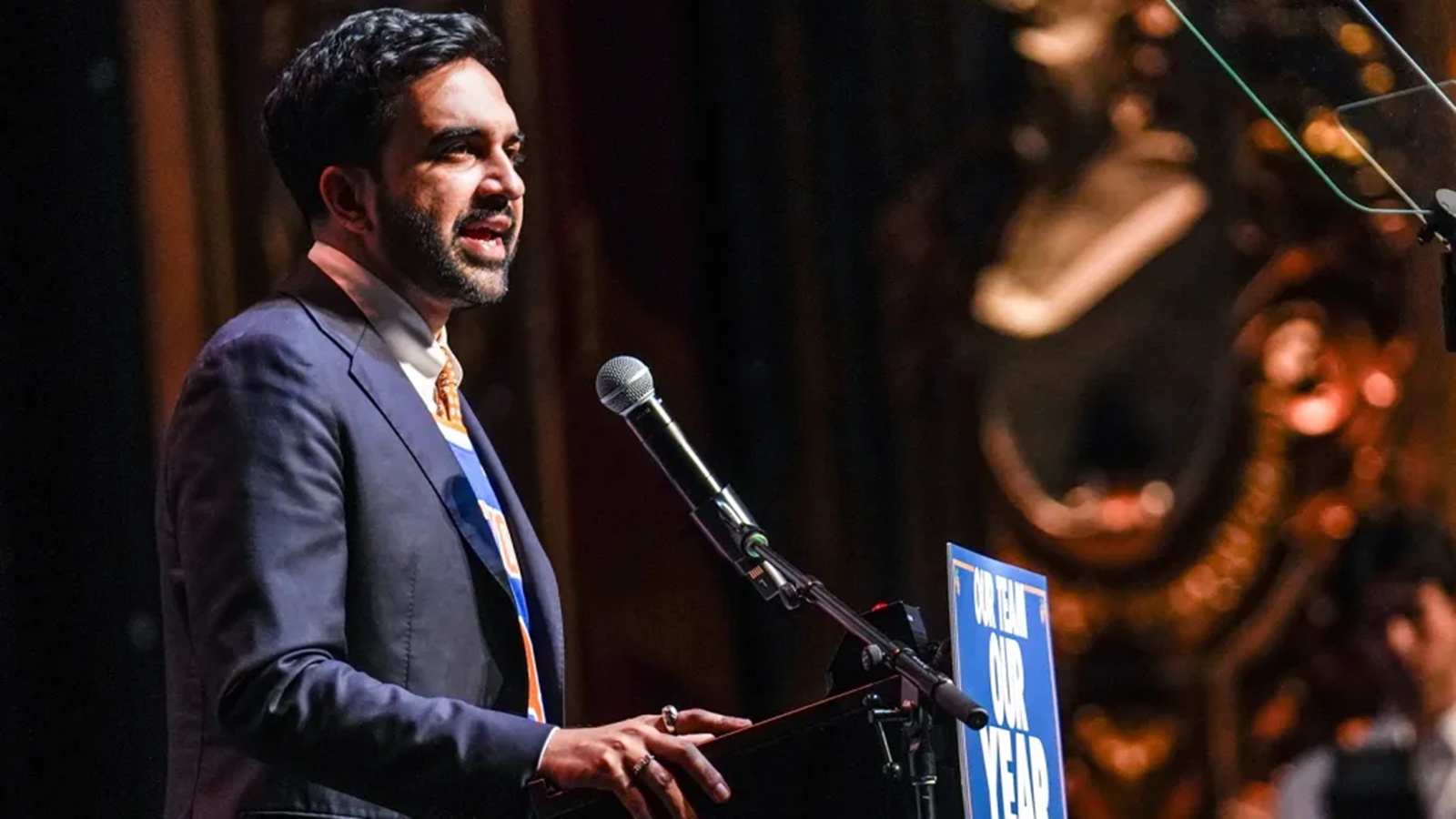
When the federal government weaponizes bureaucracy to scare immigrant families away from basic human needs, local leaders have two choices. They can look away, or they can fight back in a federal courtroom. New York City Mayor Zohran Mamdani chose the fight.
The legal battle between New York City and the Trump administration over a revised "public charge" rule is more than a standard jurisdictional dispute. It is a high-stakes collision over who belongs in America and what price vulnerable people must pay just to feed their children.
Decoding the New Public Charge Rule
Under the updated federal framework, immigration officials gained the green light to weigh non-cash public benefits—such as Medicaid, Supplemental Nutrition Assistance Program (SNAP) benefits, and housing assistance—when evaluating green card and visa applications. Historically, the public charge test primarily targeted cash assistance and long-term institutional care.
By expanding the criteria to health care and food programs, the rule creates a terrifying psychological barrier. Immigrants are forced into an impossible corner. They have to choose between keeping their kids nourished or jeopardizing their legal status in the United States.
Mayor Mamdani didn't mince words when announcing the legal challenge, filing a coalition lawsuit in the Manhattan federal court alongside New York State Attorney General Letitia James. He called the policy a vehicle of pure cruelty. Community food pantries across Queens and Brooklyn noticed an immediate chill effect. Instead of lines wrapping around the block, families are staying away out of sheer panic, terrified that accepting a box of groceries today means deportation tomorrow.
The Real Cost of Manufactured Fear
Proponents of the federal policy argue that sanctuary cities should shoulder the weight or that noncitizens shouldn't lean on taxpayer-funded safety nets. But public health experts and municipal leaders point out a glaring flaw in that logic. When people avoid doctor visits and skip meals to protect their immigration paperwork, public health crises explode.
Untreated illnesses spread. Emergency room visits skyrocket because preventative care was ignored. The financial burden shifts onto local hospital systems and taxpayers down the road. It's a short-sighted strategy that hurts entire communities, regardless of legal status.
Mamdani has made it clear that New York City cannot make up dollar-for-dollar what the federal government attempts to strip away. That's why litigation is happening. The city's legal strategy aims to block enforcement before the administrative damage becomes irreversible.
What Immigrant New Yorkers Should Do Now
If you're caught in the middle of this policy shift, panic is your enemy. Immigration advocates and city officials urge residents not to make hasty decisions out of fear.
- Check the timeline: The rule applies to benefits received on or after September 18. Anything utilized prior to that date falls under older, narrower guidelines.
- Know what's excluded: Earned benefits like unemployment insurance, Medicare, and workers' compensation generally remain safe from public charge calculations.
- Get professional guidance: Never rely on rumors or social media panic. New York City residents can access free, confidential legal assistance by calling the Mayor's Office of Immigrant Affairs hotline or dialing 311 and asking for immigration legal support.
The courts will ultimately decide whether the federal government overstepped its bounds. Until then, cities like New York are drawing a hard line in the sand against federal policies designed to isolate and intimidate.
NYC Mayor Mamdani Sues Trump Over Rule Linking Public Benefits To Immigration Status
This short video clip highlights Mayor Zohran Mamdani's announcement regarding the lawsuit challenging the federal public charge rule.


