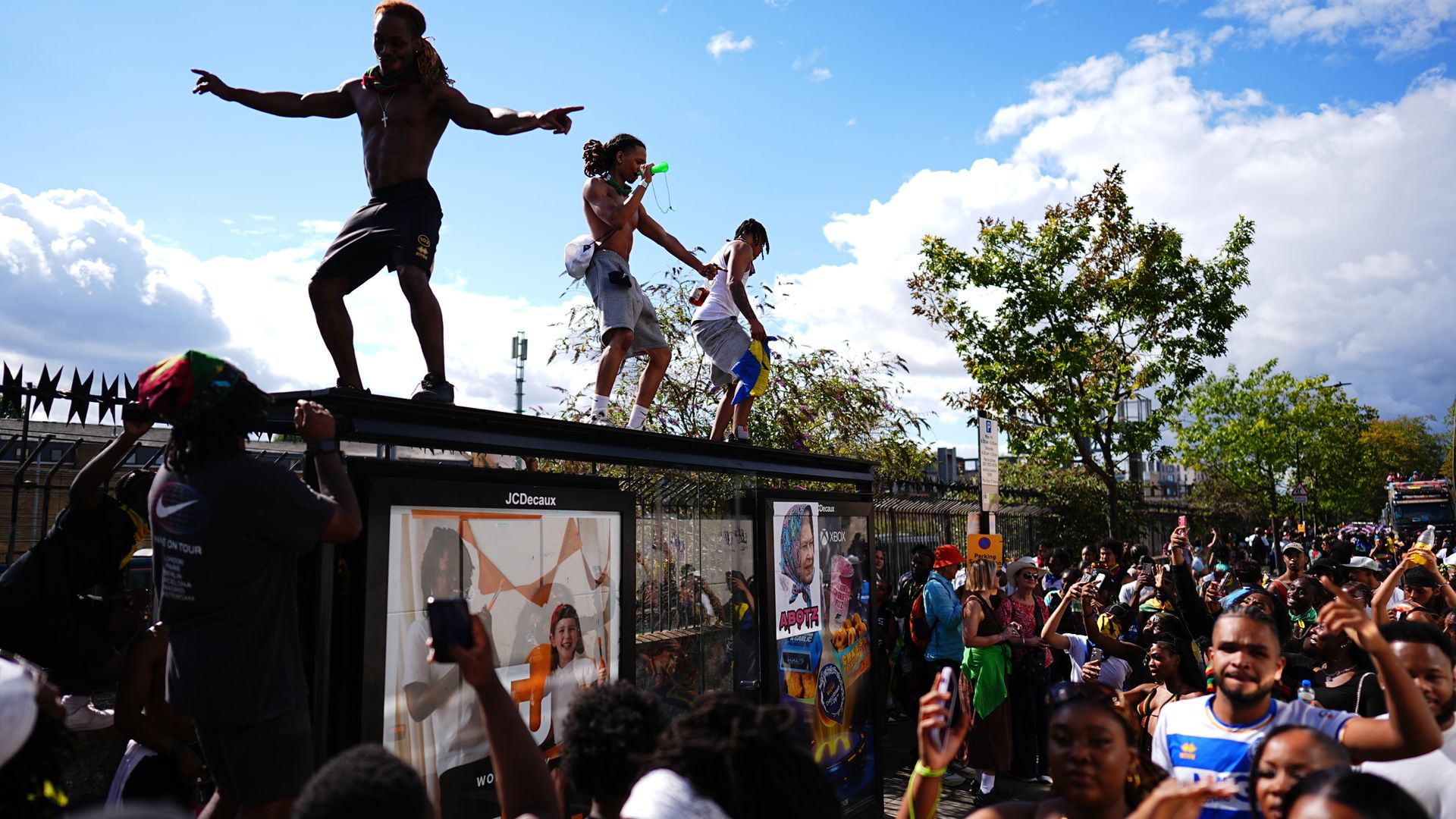
Every August, millions descend on West London for Notting Hill Carnival, and the media cycle grinds out the exact same exhausted narrative. They call it a triumph of multiculturalism. They talk about the vibrant soundsystems, the jerk chicken smoke, the sea of feathers, and the sheer scale of the crowds swaying to soca and dancehall. They frame it as an unstoppable celebration of Caribbean heritage that proves London can throw a street party better than anyone else on Earth.
It is a comfortable, lazy consensus. And it is entirely missing the point.
I have spent years watching the corporate sanitization of counter-culture, and what happens in W11 over a bank holiday weekend is the crown jewel of that tragedy. The mainstream press wants you to believe that thousands in the streets equals a healthy, thriving cultural institution. They measure success by crowd density and how many millions of pounds the event allegedly pumps into the local economy.
That metric is an insult to the people who built the thing.
Notting Hill Carnival was never meant to be a corporate-sponsored folk festival designed to look good on an Instagram reel or a tourist board brochure. It was born in 1966 as a direct, defiant response to racial violence and housing deprivation. Claudia Jones and the early pioneers used mas, calypso, and the streets to forge a united front against British hostility. It was political. It was dangerous. It was an assertion of space by a community under siege.
Today, that DNA is being systematically scrubbed clean to make the event palatable to the same municipal authorities and corporate sponsors who treat the local Afro-Caribbean diaspora as an aesthetic backdrop rather than an actual population with rights, history, and grievances.
The Metrics of Decline
If you evaluate Carnival by attendance numbers alone, you fall into the trap of the lazy observer. Massive crowds do not equal cultural preservation. In fact, hyper-commercialization usually acts as an inverse indicator of cultural health.
When a street festival becomes a global brand, three things happen instantly:
- The corporate sponsors move in, trading authentic community stewardship for logo placement and beverage tents.
- The policing footprint expands into a hostile surveillance apparatus that treats black revellers as an inherent security risk while patting itself on the back for managing crowd flow.
- The original organizers, sound system pioneers, and mas bands get squeezed out by bureaucratic red tape, insurance costs, and licensing restrictions that favor big-money operators.
Imagine a scenario where a music festival in central London had its power sources restricted, its operating hours slashed, and its heritage stages buried under layers of noise abatement rules designed by people who moved next door to a legendary sound system last Tuesday. You do not have to imagine it. That is the reality facing Notting Hill right now.
The mainstream coverage completely ignores the quiet erosion of the core infrastructure. The traditional static sound systems—the beating heart of the event—are fighting a permanent rear-guard action against local councils and festival consultants who want to turn the whole weekend into an EDM-lite outdoor club with a Caribbean coat of paint.
The Gentrification Paradox
Let us address the elephant in the room: the people who bought £2 million townhouses in Notting Hill and then spent the next eleven months complaining about the noise, the litter, and the sheer volume of Black bodies taking over their postcode for forty-eight hours.
The council spends the weeks leading up to August tied up in legal challenges and panic stations, treating the carnival like a natural disaster rather than an annual homecoming. And how do they respond? By drowning the route in steel barricades, heavy police cordons, and a corporate regulatory framework that drains the spontaneity out of the weekend.
The paradox of modern urban festivals is that the more popular they become with the mainstream, the more hostile they become to their originators. Young people from South London, Tottenham, and Brixton do not come to Notting Hill to pose for travel bloggers. They come because it is one of the last remaining spaces in a heavily policed, hyper-gentrified London where Black culture can take up physical space without asking for permission.
When you turn that space into a static tourist attraction managed by risk-averse event planners, you kill the soul to save the shell.
What Real Preservation Looks Like
If we want to talk about saving Notting Hill Carnival, we need to stop measuring its worth in economic impact studies commissioned by the mayor's office. We need to evaluate it by autonomy.
True preservation means handing the keys back to the mas camps, the sound system operators, and the multi-generational West London families who actually understand the weight of the history. It means pushing back against the hyper-policing that criminalizes normal social interactions while ignoring the structural failures that make the neighborhood unaffordable to the descendants of the Windrush generation.
Stop treating Carnival like a zoo exhibit for weekend tourists looking for a colorful afternoon out. Stop accepting the sanitized press releases that celebrate crowd numbers while ignoring the systematic displacement of the culture that created the crowd in the first place.
The streets belong to the people, but only if the people are willing to fight for the substance of the culture, not just the aesthetic.
Don't look for the party. Look for the power.