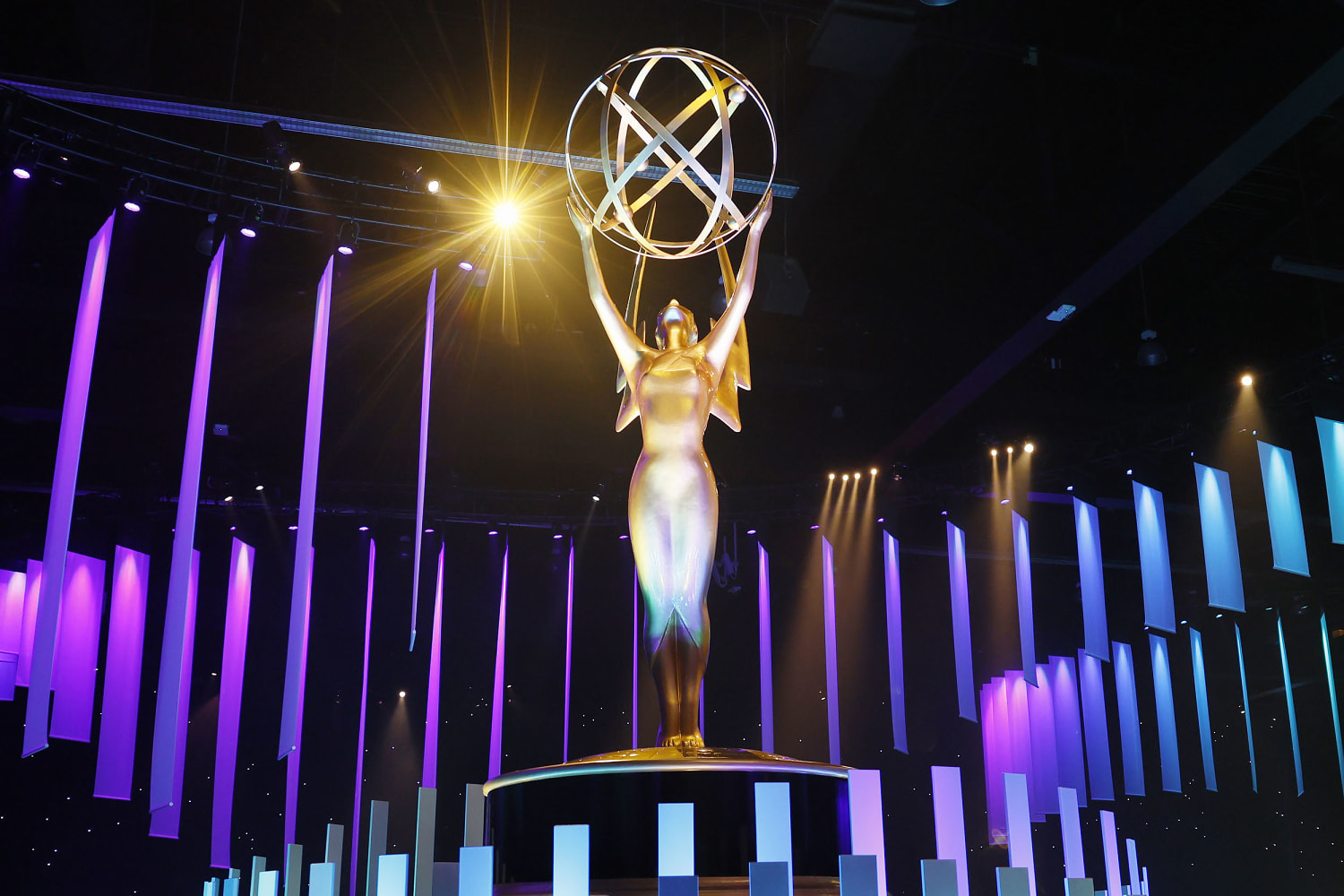
For seventy-five years, the ritual remained as familiar as the ticking of a grandfather clock in an empty hallway.
September arrived, the air turned crisp, and millions of living rooms flickered with the same amber glow. Families gathered on sagging couches, bowls of popcorn resting on knees, watching glittering actors ascend a towering stage to clutch heavy gold statuettes. It was the Emmy Awards. It belonged to broadcast television the way Sunday mornings belonged to church bells or Friday nights belonged to the local stadium lights. You sat through the detergent commercials. You groaned at the endless speeches. You shared a collective, nationwide experience tied entirely to a cable box and an antenna.
Then, the lights went out in the master control room.
The announcement hit the trades like a quiet tremor. The Television Academy, the august body that has presided over the medium since its infancy, signed a landmark deal to pull the Emmy Awards entirely off broadcast television and stream them exclusively on Amazon Prime Video.
To the casual observer, it was just another corporate reshuffling. Another tech giant buying up intellectual property. Another sign that streaming has won the war for our attention.
, that interpretation misses the funeral procession entirely.
This is not a business transaction. This is the moment broadcast television packed its bags, turned in its keys, and walked away from the house it built.
Consider what actually happens when an institution abandons the living room airwaves for a walled digital garden. For decades, the broadcast networks—ABC, CBS, NBC, Fox—served as the town square. They were flawed, corporate, and heavily regulated, but they were a public commons. When a momentous television event happened, everyone in the country had access to it, provided they owned a television set with a wire coat hanger or a basic cable package.
Prime Video operates under a different physics altogether. It is a subscription fortress. You do not stumble upon it while flipping channels during a commercial break. You must log in. You must pay a monthly toll. You must already belong.
When the Emmys pack up and move behind a paywall, the ceremony ceases to be a shared cultural artifact and becomes a proprietary marketing event for a trillion-dollar retailer.
I remember sitting in a dimly lit apartment a decade ago, watching a struggling cable drama pull off an unthinkable upset against the network goliaths. The next morning at the corner coffee shop, the barista was talking about it. The guy behind me in line was talking about it. We had all shared the exact same pixelated broadcast, cursed at the exact same audio dropouts, and marvelled at the exact same acceptance speeches.
That communal friction is dissolving.
The economic realities driving this divorce are brutal and unromantic. Linear television viewership has cratered, particularly among the demographics advertisers covet most. Young people do not watch scheduled programming. They graze. They consume on demand, at two in the morning, on a cracked phone screen in bed. Broadcasters, squeezed by plunging ad revenues and soaring production costs, simply could no longer justify the tens of millions of dollars required to mount a glamorous, star-studded awards show that fewer and fewer people were watching live.
Amazon, meanwhile, has billions to burn and an insatiable hunger for cultural prestige. To a company that sells everything from paper towels to cloud computing infrastructure, streaming the Emmys is not about selling commercial spots during the telecast. It is about ecosystem lock-in. It is about making Prime feel like the undisputed center of the entertainment universe. If you want to see your favorite actors celebrate, you have to come into Amazon’s living room to do it.
And so, the transition feels less like a graduation and more like an eviction.
The irony is thick enough to choke on. The Television Academy was founded to celebrate the power of the broadcast medium to connect a scattered nation. Now, that same academy is handing its crown jewels to a tech monopoly whose primary business model is frictionless consumption and data harvesting.
We are trading the messy, democratic chaos of public airwaves for the frictionless efficiency of a corporate algorithm.
What gets lost in the spreadsheets and the multi-year contract negotiations is the simple magic of the uninvited guest. Broadcast television used to invite itself into your home, whether you subscribed or not. It sat on your coffee table. It forced you to watch things you didn't know you cared about. It created a baseline of shared reference points that held a fragmented culture loosely together.
When the stream begins on Prime Video, the doors of that public square will quietly lock. The red carpet will roll out, the gowns will dazzle, and the gold statues will change hands.
But out in the hallway, the house will be completely dark.