The coffee in the paper cup had gone cold hours ago, but Tariq still held it between both palms, searching for any remaining warmth. Outside the floor-to-ceiling glass of his high-rise office, the midnight skyline of Riyadh stretched out in a familiar, orderly grid of neon and amber. It was a city designed for quiet momentum, for the steady hum of commerce and the slow, deliberate march toward tomorrow.
Then came the sound.
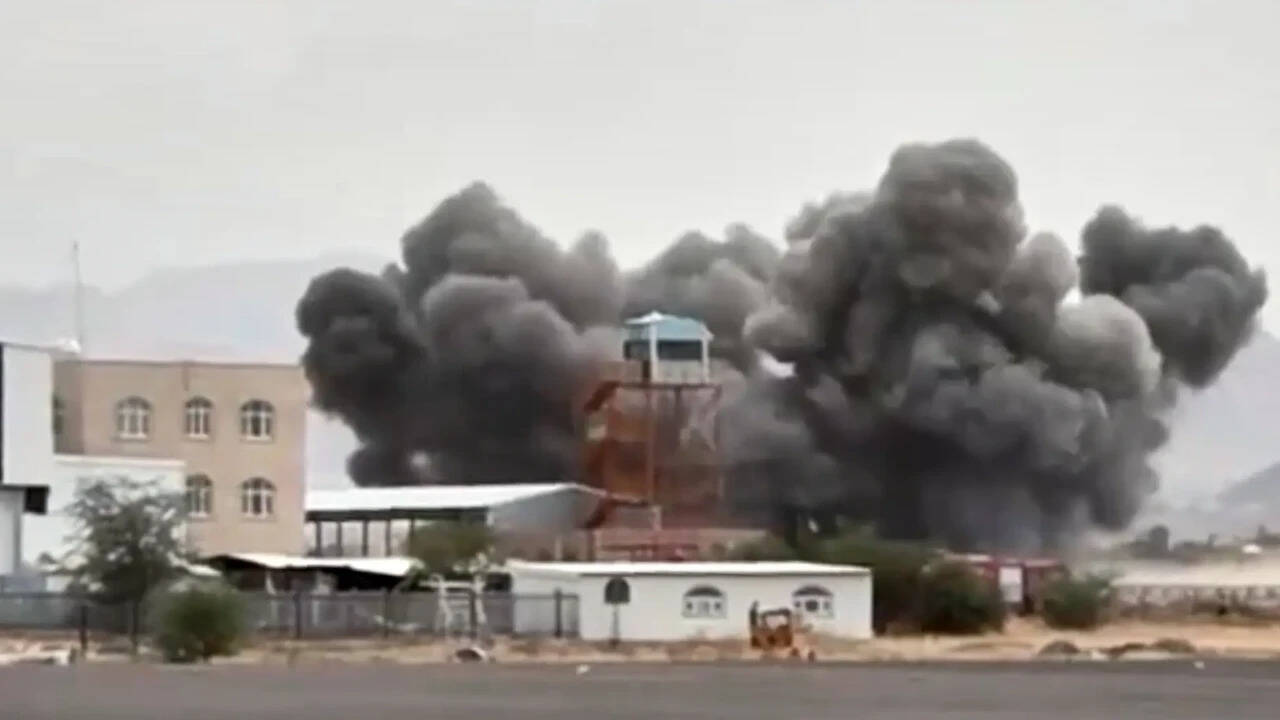
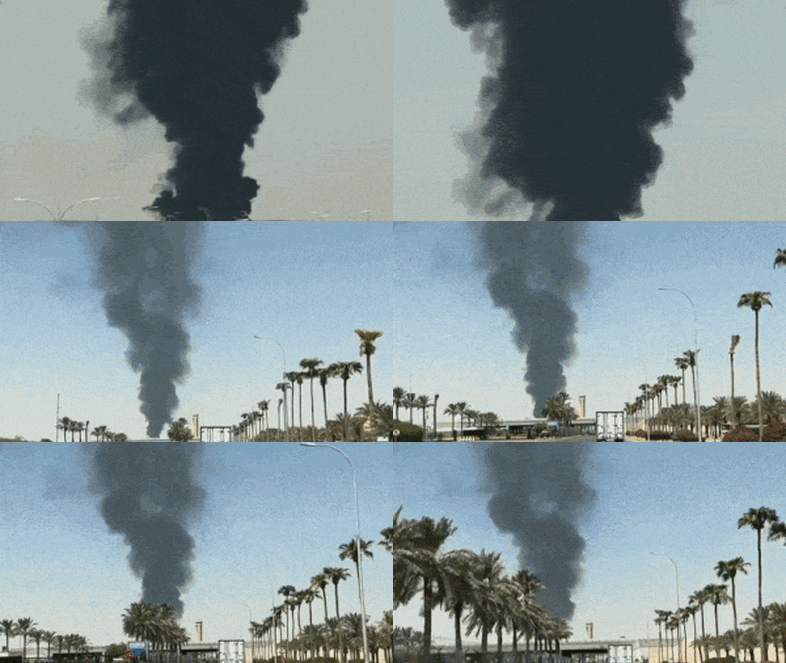
It was not a thunderclap. It was something heavier, a low, visceral vibration that rattled the windowpanes in their frames and made the surface of the cold coffee ripple in its cup. Seconds later, a ragged bloom of orange fire flowered against the velvet dark of the desert night, blooming briefly before dissolving into thick coils of black smoke that drifted toward the horizon.
Far below, the city reacted with the disciplined stillness of a metropolis well-versed in the grammar of modern anxiety. Traffic slowed, brake lights pooling into jagged ribbons of red, but the streets did not empty. People looked up from café terraces, shielding their eyes against the glare, phones already in hand. Another intercept. Another ghost intercepted in the upper atmosphere.
Behind those burning fragments in the sky lay a web of invisible coordinates and ideological collision. The Houthi movement, operating from the rugged mountains hundreds of miles to the south across the Yemeni border, had once again reached across the map to scratch at the gates of the Saudi capital.
Consider the mechanics of the invisible war. For years, the conflict has been fought not just in the trenches of Marib or the alleyways of Hodeidah, but in the sterile, high-altitude theater of ballistic trajectories and radar screens. A projectile leaves a launch rail in a wadi under cover of darkness. Advanced warning systems—space-based infrared sensors and ground-based phased-array radars—detect the fiery exhaust plume within seconds. Computers calculate velocity, mass, and descent vectors in the blink of an eye.
Down in the concrete command bunkers, operators watch green dots chase red icons across glowing displays. Decisions that will dictate the morning headlines are made in fractions of a second by individuals whose names will never appear in the press.
Then the Patriots launch.
The counter-missile leaves its canister with a blinding flash and a ferocious roar, tearing upward into the stratosphere at multiples of the speed of sound. It is an expensive, brutal ballet of physics. When successful, the intercept turns a multi-million-dollar threat into a harmless shower of glowing shrapnel raining down over uninhabited scrubland or harmlessly absorbed by the night.
But the statistics of interception do not capture the weight of what it means to live beneath that shield.
Tariq remembers when the airspace over the kingdom was just a highway for civilian airliners and the occasional cargo transport. Now, every rumble of thunder carries a double meaning. Every sudden flash on the horizon forces a quick mental calculation: storm or strike?
The geopolitical ripple effects of these nocturnal disruptions extend far beyond the burning debris visible from Riyadh rooftops. They touch the global energy markets, where a single successful strike on a refinery or a pipeline sends crude prices spiking in London and New York. They complicate fragile diplomatic backchannels mediated by Oman and the United Nations, where peace is negotiated sentence by sentence, concession by concession, while rockets continue to test the boundaries of goodwill.
Every failed launch and every successful intercept is a message written in fire. The senders, entrenched in their mountainous strongholds and backed by regional patrons, signal their defiance, their refusal to be starved out or bombed into submission by an air campaign that has ground on for years. The defenders, staring down from their gleaming towers, signal an unyielding resolve to protect the demographic and economic heart of the nation.
And in the middle stands the civilian. The office worker with the cold coffee. The family gathered around a television in a suburban villa, lowering the volume on a sitcom to listen for the distinctive thump of an air defense battery firing from the outskirts of the city.
The smoke over the airport began to thin, shredded by high-altitude winds into long, grey smears that mirrored the wisps of natural cloud drifting in from the Empty Quarter. Sirens wailed in the distance, a rising and falling pitch that eventually faded into the background hum of the city's tireless electrical grid.
In a matter of hours, the morning rush hour would begin. The airport would reopen. Flights would land and depart, carrying executives, pilgrims, and families. The scorched earth where the debris landed would be cordoned off, swept clean, and forgotten by all except those tasked with reading the debris patterns for intelligence.
Tariq set his paper cup down on the desk. The coffee was undrinkable now. He looked out at the vast, indifferent desert darkness pressing against the edges of the capital, knowing that somewhere out there in the dark, the equations were already being calculated again.