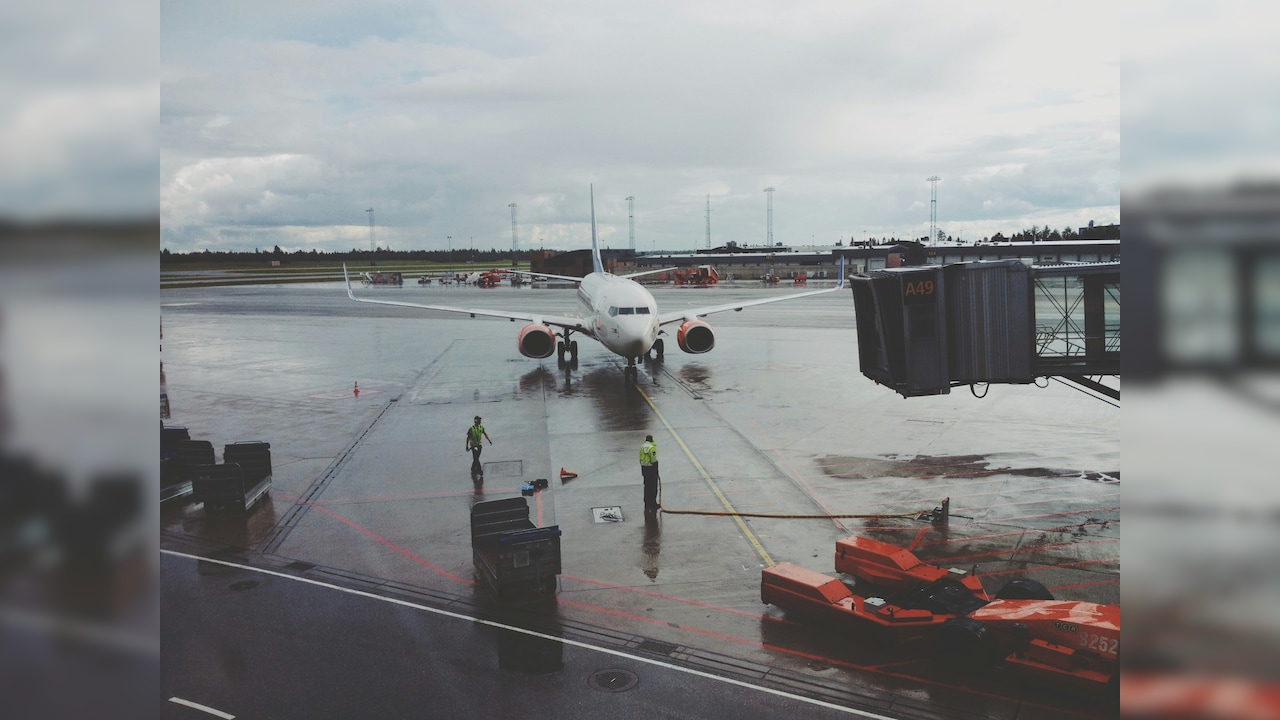
You aren't imagining things when you look at summer flight options. Prices are getting weirdly expensive. The latest data from the US Bureau of Transportation Statistics explains why. In April, US airlines collectively shell out $6.47 billion on jet fuel. That is a massive 78.2% spike compared to the same month last year.
Here is the kicker. Carriers didn't burn more fuel to reach that number. They actually burned less. Also making headlines in this space: The Bitter Truth Behind the May Housing Surge.
US scheduled airlines consumed 1.573 billion gallons of fuel in April. That is a 0.2% drop from last year and a 2.6% drop from March. We have a classic corporate nightmare where you cut back on using a resource, yet the bill arrives almost twice as large. If you think the airlines will just absorb that cost out of the goodness of their hearts, think again.
Inside the Massive April Fuel Spike
The math behind this mess is simple and brutal. Airlines paid an average of $4.11 per gallon for jet fuel in April. Compare that to the $2.31 per gallon they paid in April 2025. That is an extra $1.81 for every single gallon pumped into an aircraft. When you are buying 1.5 billion gallons a month, those extra dollars break balance sheets. Additional insights regarding the matter are covered by CNBC.
[Image of hydrogen fuel cell]
Geopolitics is driving this madness. The ongoing US-Iran war and wider conflicts across the Middle East have spent months hammering global energy markets. The Strait of Hormuz remains effectively blockaded. Because it is the primary maritime highway for global crude oil, any disruption there sends shockwaves straight to refinery margins. Drone strikes earlier this year directly damaged major refining hubs like Kuwait's Mina al Ahmadi and Mina Abdullah plants. The resulting product shortage sent jet fuel prices surging far ahead of standard crude oil.
On top of that, airlines can't even fly straight lines anymore. Closing or restricting airspace across the Middle East forces carriers to take massive detours on international routes. Longer routes mean more time in the air, higher fuel burn per flight, and zero extra revenue to show for it.
The Immediate Casualties of $4 Gallon Fuel
When fuel spikes like this, low-cost carriers are the first to hit the wall. They operate on razor-thin margins and rely on cheap operational costs to keep ticket prices low.
Spirit Airlines already became the first major casualty. After fighting through two years of financial struggles and filing for bankruptcy twice, the ultra-low-cost carrier officially ceased all operations in May. They explicitly blamed unsustainable jet fuel burdens for the final shutdown. When fuel prices eat up your entire cash reserve, you can't survive.
Even the heavy hitters are feeling the squeeze. The "Big Four" US carriers—Delta Air Lines, United Airlines, American Airlines, and Southwest Airlines—control about 80% of the domestic market. They aren't going under, but they are altering how they fly.
The International Air Transport Association dropped a financial bombshell following these numbers. IATA slashed its 2026 global airline net profit projection down to $23 billion. That is nearly half of its previous $41 billion forecast, and a steep drop from the $45 billion the industry cleared in 2025. Margins per passenger are expected to plummet from $9.10 last year to just $4.50 this year.
What This Means for Your Travel Budget
Airlines have three levers to pull when fuel costs go rogue: raise ticket prices, add sneaky fees, or cut capacity. They are doing all three right now.
Data from KAYAK search trends shows the financial pain is passing directly to consumers. Average domestic airfares departing from the US have shot up by as much as 31% compared to last year. International tickets aren't far behind, climbing up to 22%.
Carriers are also quietly thinning out their schedules. Flying smaller regional jets at a higher frequency used to be a popular strategy because it gave passengers more timing choices and built better hub connections. Now, airlines are grounding less efficient planes and cutting unprofitable routes entirely to protect their bottom lines.
If you want to travel without draining your savings, you have to change your strategy. Stop waiting for last-minute price drops. They aren't happening this year. Book flights at least six to eight weeks out for domestic trips and three months out for international travel. Look toward mid-week flights on Tuesdays and Wednesdays when demand dips. Most importantly, track the route volatility. If an airline suddenly reduces its weekly flights to your destination, book the remaining slots immediately before the lack of supply drives the price out of reach.