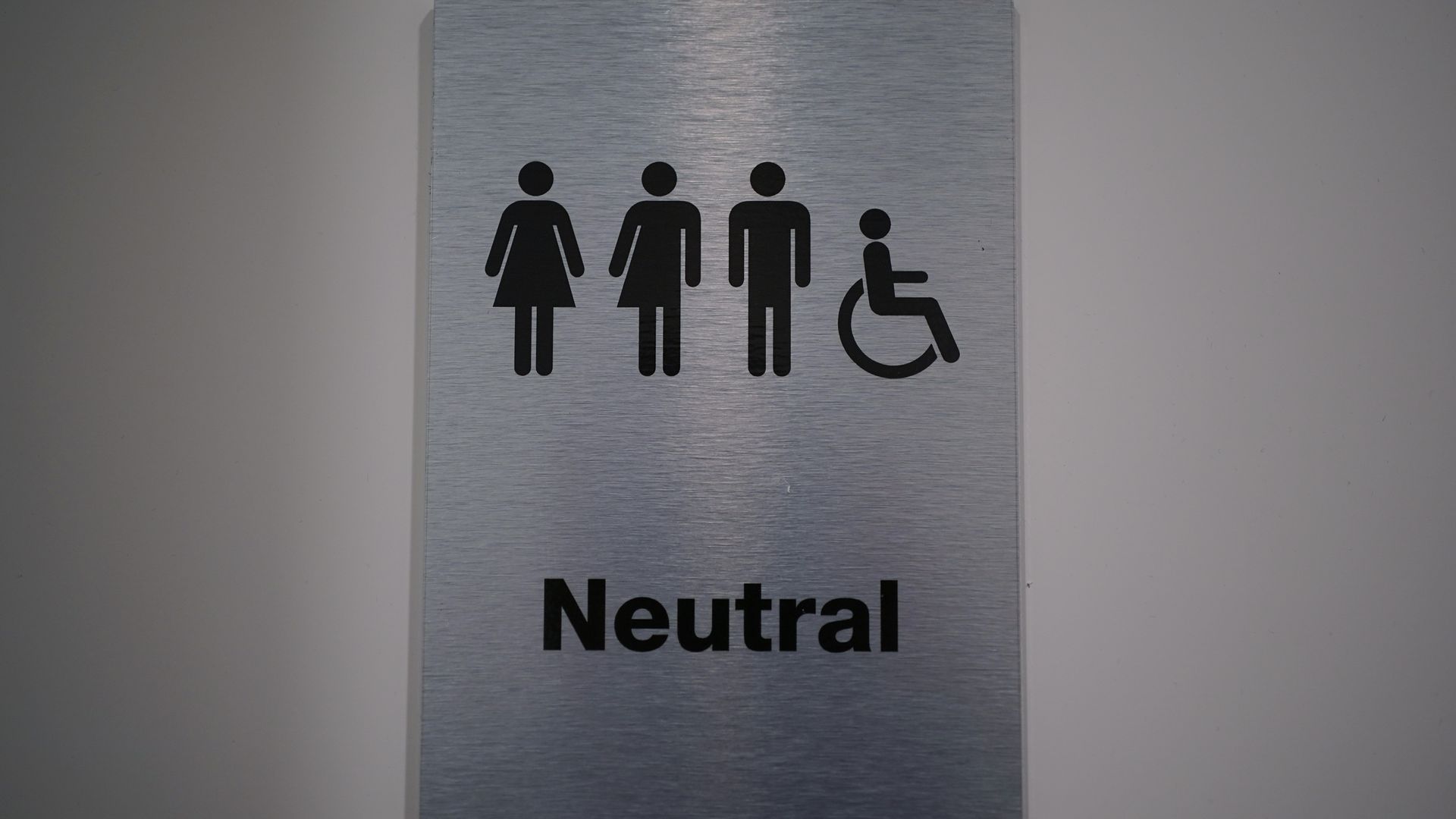
August 5, 2026, is the date every business owner in Great Britain needs to circle in red. In just a few weeks, a sweeping new code of practice on single-sex spaces officially comes into force. It is going to force thousands of gyms, restaurants, hospitals, and offices to completely rethink how they handle their bathrooms and changing areas.
If you think this is just another minor bureaucratic update, think again. This is a massive shift in how the 2010 Equality Act is applied on the ground. For years, the line between biological sex and gender identity in public facilities was blurry, self-policed, and highly controversial. Now, the government is drawing a hard, statutory line.
Here is the blunt truth of what is coming, why it is happening, and how much it is going to cost.
The August Deadline Explained
The new rules state that to be legally classified as a "single-sex" facility under the Equality Act, a space must be segregated based on biological birth sex, not gender identity.
This means that starting August 5, single-sex toilets, changing rooms, hospital wards, and domestic violence refuges across England, Scotland, and Wales must restrict access based on a person’s biological sex at birth. If a business or service provider decides to allow self-identifying trans women into a female-only space, that space will no longer be legally recognized as "women-only".
The updated code of practice also gives service providers explicit permission to exclude trans people from single-sex spaces if they believe other users might object to their presence. It is a stark policy shift. It comes directly on the heels of a major Supreme Court ruling in April 2025, which confirmed that biological sex remains the bedrock definition for these specific exemptions in the Equality Act.
But while campaigners on both sides have spent years fighting the ideological battle, businesses are now stuck with the practical, physical cleanup.
The Eye-Watering Cost of Changing Thousands of Bathrooms
Let’s talk about the physical reality. You cannot just change a policy on paper and expect everyone to understand. You have to change the actual buildings.
An official impact assessment released alongside the draft code estimated the total cost of implementing these changes could top £703 million over the next decade. That is a staggering number for a policy that some ministers claimed would cost businesses "nothing at all".
Analysis of government data suggests that across Great Britain:
- Nearly 13,000 toilets will need physical modifications or redesigns.
- More than 5,500 changing rooms at gyms, pools, and leisure centres face revamps.
- At least 18,000 signs will have to be torn down and replaced.
For public sector bodies like local councils, the extra cleaning bills alone are projected to scale past £20 million. If you run a local sports club with at least 25 members, a small boutique hotel, or a high-street hairdressing salon, you are caught in this net.
How did we get here? For the past decade, the trend was to tear down gendered walls and install gender-neutral, open-plan washrooms with shared sinks. Businesses thought they were being modern and inclusive. Now, they are being told that those open-plan, shared-sink spaces do not meet the single-sex criteria anymore. If you want to offer single-sex toilets, the handwashing facilities must also be private to that sex.
The Battle of Opinions
Unsurprisingly, nobody is agreeing on whether this is a victory or a disaster.
The campaign group For Women Scotland, which drove the legal challenges leading up to this code, welcomed the final implementation. They argue that the code does not actually change the law itself but finally provides a realistic, practical framework to protect women's safety, privacy, and dignity in public spaces. Their stance is simple: if businesses were already following the spirit of the Equality Act, they will not need to make drastic changes.
On the other side, LGBTQ+ advocacy groups are furious. The Trans+ Solidarity Alliance has labeled the new guidance completely unworkable. They warn that the policy will lead to immediate, everyday harassment for trans individuals and gender-nonconforming people who do not fit neat stereotypes. They also point out that businesses and local charities are being thrown directly into the firing line of endless, expensive litigation from both sides of the debate.
The government, trying to play peacemaker, insists the rules are flexible. They say a provider's size and physical layout will dictate what is considered reasonable.
But "reasonable" is a vague legal term. When a business owner is trying to figure out if they are about to get sued, vagueness is the last thing they want.
What Businesses Actually Need to Do Right Now
If you run a business or manage a public facility, you cannot afford to ignore this August deadline. You need to take concrete steps to assess your layout and minimize your legal risk.
Audit your current layout and signage
Walk through your facilities. Do you have gender-neutral toilets with shared handwashing areas? If so, you cannot label these as single-sex facilities. If you have designated male and female toilets, ensure the signage is completely clear and explicitly reflects biological sex if you intend to maintain them as single-sex spaces under the new code.
Consider the universal superloo option
The code suggests that the easiest way to accommodate everyone without sparking a legal dispute is to provide individual, self-contained, fully enclosed unisex cubicles—often called "superloos." These toilets have a toilet, sink, and hand dryer all behind one locked, floor-to-ceiling door. If you have the space, adding at least one of these alongside your biological single-sex toilets keeps you compliant and keeps all of your customers happy.
Rewrite your internal policies and train your staff
Do not leave your front-of-house staff or gym receptionists to guess how to handle a dispute. The updated code requires organisations to have clear, written internal policies on who is permitted to use which facilities. Train your staff on how to de-escalate situations calmly and legally, making sure they know exactly what the business policy is before an incident occurs.
Check your local exemptions
The rules are slightly different for new builds versus retrofitting existing structures. If you are planning major renovations or building a new commercial space, strict building regulations (like Approved Document T in England) already mandate separate single-sex toilets as the default layout. For existing small businesses, the code does allow some leeway based on physical space constraints, but you must be able to prove that building separate facilities was structurally or financially impossible.
The countdown to August 5 is ticking. The physical, legal, and social expectations of public spaces in Great Britain are changing, and ignoring the shift will only lead to costly disputes down the line. Get your facilities, signs, and staff training sorted before the deadline hits.