Fresh ingredients make fast-casual dining great, until a contaminated pepper sends hundreds of people to bed with severe stomach cramps. Right now, a multistate salmonella outbreak linked directly to jalapeños has expanded across 27 states. Major chains like Chipotle Mexican Grill and Qdoba found themselves caught in the crossfire, forcing rapid supply chain shifts and widespread product removals.
If you regularly eat at these spots or keep raw peppers in your fridge, you need to know what is actually happening behind the headlines. Let's break down the scope of this outbreak, why fresh produce keeps failing safety tests, and what you can do right now to protect yourself. In similar developments, take a look at: Early Oncology Diagnostics and the Diagnostic Yield of Liquid Biopsies.
How a Localized Scare Blew Up Into a 27-State Investigation
The numbers behind this food safety event escalated fast. Public health tracking started with a sharp spike in Minnesota, where local health officials flagged dozens of sudden illnesses. Within days, the Centers for Disease Control and Prevention confirmed that the issue stretched much further.
At least 345 people across 27 states fell ill during this wave of Salmonella Javiana infections. Thirty-six individuals suffered severe enough symptoms to require hospitalization. Everyday Health has provided coverage on this important subject in great detail.
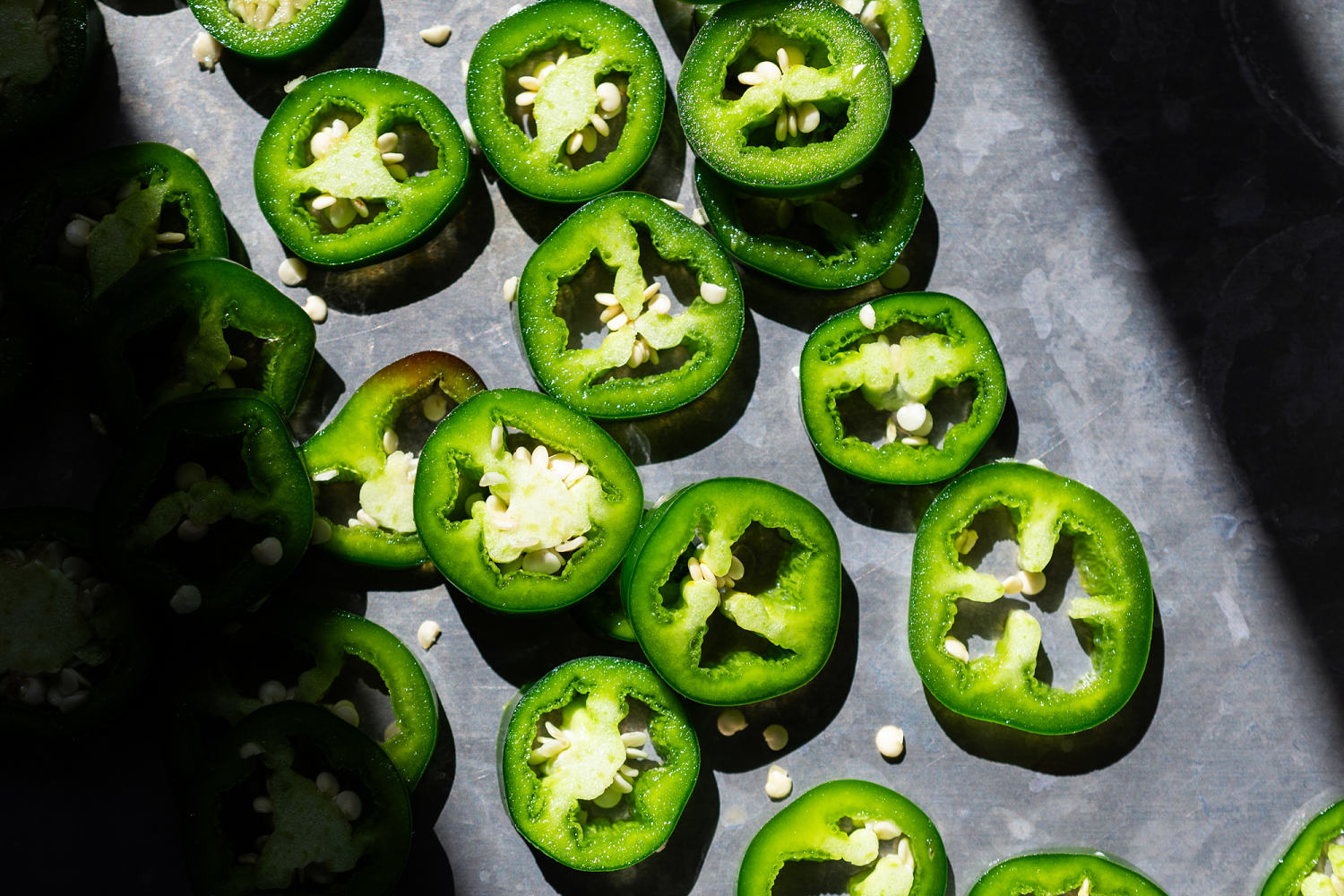
Traceback data quickly pointed the finger at a specific agricultural pipeline. The contaminated jalapeño peppers originated from Sinaloa, Mexico, and moved through Coast Citrus Distributors. Both Chipotle and Qdoba acted quickly once notified, pulling the affected jalapeños off their lines and sourcing replacements from alternative growers. Coast Citrus Distributors subsequently agreed to a formal recall of the implicated produce.
Because these major restaurant brands pulled the specific inventory, federal health authorities do not believe an active, ongoing risk remains inside those specific restaurant chains. Even so, the rapid growth of the case count highlights a chronic vulnerability in the way raw produce travels from international farms to local dinner plates.
Why Jalapeños Are Frequently Behind Foodborne Illness
Fresh peppers look harmless sitting on a cutting board, but they carry unique structural risks. Unlike meat, which undergoes high-heat cooking to neutralize pathogens, jalapeños are frequently consumed raw or lightly flashed in commercial kitchens. Pico de gallo, salsas, and fresh garnishes rarely reach internal temperatures high enough to kill stubborn bacteria like salmonella.
Furthermore, commercial agriculture relies on massive washing pools and centralized distribution centers. If a single batch of irrigation water in Sinaloa gets compromised, the contamination spreads across multiple shipping containers and ends up distributed to dozens of states simultaneously.
People often assume corporate restaurant chains have automated pathogen detection built into every kitchen. They don't. Restaurants assemble food from raw components supplied by third-party distributors. When a farm-level contamination occurs, the restaurant is usually just as surprised as the consumer.
Spotting the Signs of Salmonella Poisoning
If you've eaten raw jalapeños recently or visited a Mexican-style fast-casual restaurant over the past few weeks, you should monitor how you feel. Salmonella doesn't show up immediately. Symptoms typically begin anywhere from six hours to six days after you swallow the bacteria.
Watch out for these classic indicators:
- Sudden, painful stomach cramps
- Diarrhea that lasts for multiple days
- A persistent fever, sometimes climbing higher than 102°F
- Nausea and repeated vomiting that makes keeping liquids down difficult
Most healthy adults recover within a week without needing medical intervention. However, children under five, adults over sixty-five, and anyone with a compromised immune system face a much higher risk of severe complications. If you experience bloody diarrhea or signs of dehydration like dizziness and a lack of urination, skip home remedies and contact a doctor immediately.
Practical Steps to Take Right Now
You don't need to swear off Mexican food forever, but you do need to handle fresh produce with a healthy dose of skepticism.
Check your refrigerator and pantry inventory. If you bought fresh jalapeños from local grocers or suspect you have peppers tied to the distribution network, throw them away immediately. Do not taste them to see if they seem fine. Bacteria like salmonella won't change the smell, taste, or appearance of a pepper.
Sanitize any kitchen surfaces, cutting boards, and knives that touched raw peppers using hot, soapy water or a bleach-based kitchen cleaner. Cross-contamination on a kitchen counter accounts for many secondary household infections.
When you order out, remember that public health agencies confirm that Chipotle and Qdoba have cleared their supply lines of the recalled peppers. If you're prepping raw produce at home, wash your hands meticulously before and after handling items, and consider cooking peppers thoroughly if you want to eliminate pathogen risks completely. Stay vigilant, track official updates from the CDC, and treat raw garnishes with the caution they deserve.