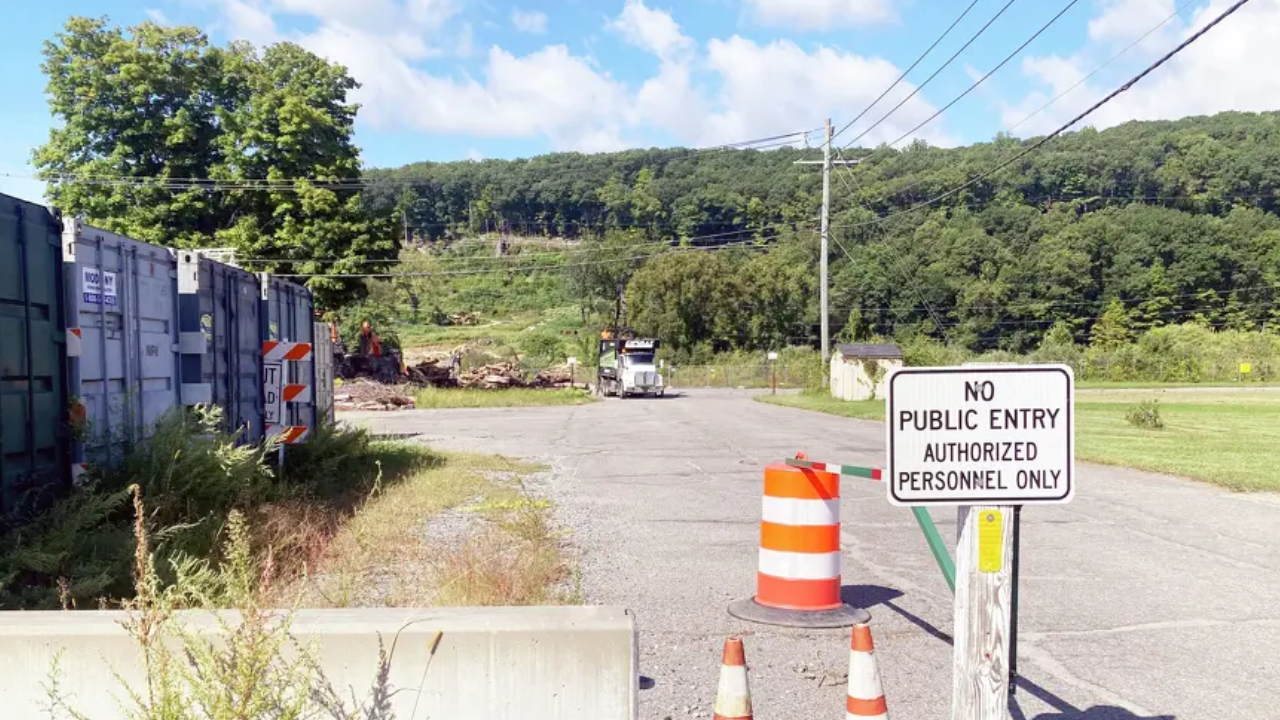
Empty industrial sites don't fix themselves. When a major manufacturing plant shuts down, the physical shell disappears long before the economic and environmental scars heal. In western Connecticut, the abandoned Century Brass mill has sat as a stark reminder of industrial decline for four decades. Closed back in 1986, the sixty-six-acre property became a textbook brownfield—contaminated, entangled in legal wrangling, and entirely off the local tax rolls until the town took control via tax foreclosure. Today, New Milford is finally moving forward with a concrete plan to turn that contaminated wasteland into a functional municipal public works campus, with a sprawling riverside park waiting in the wings.
Most people look at a vacant lot and wonder why construction doesn't start tomorrow. They don't understand the invisible wall of environmental liability. Industrial manufacturing leaves behind toxic legacies in the soil and groundwater. Cleaning that up requires millions of dollars, federal and state oversight, and endless testing. New Milford didn't inherit a blank slate in 1999; the town inherited an engineering headache. Yet, persistence paid off. The industrial buildings are completely gone now. What remains is a massive tract of land waiting for a purpose that actually serves the community rather than draining its resources.
Ghosts of the Industrial Era
Manufacturing defined small towns across the Northeast for generations. When those factories packed up and moved overseas or south, they left behind towns built around single industries. New Milford was no exception. Century Brass employed hundreds of local workers, anchoring families and small businesses around its production lines. When the doors locked for good in 1986, the local economy took a heavy blow. The physical property decayed, attracting vandals, safety hazards, and endless municipal headaches.
Turning a site like that around isn't just about pouring concrete. It's about rewriting a town's identity. Decades passed while lawyers argued over liability and cleanup costs. Courts weighed in, settlements were hashed out, and the property languished. Towns that ignore these brownfields usually watch them turn into permanent eyesores. New Milford chose a harder path. They took ownership of the problem, literally and figuratively.
The Realities of Brownfield Remediation
Environmental cleanup isn't glamorous. It involves excavating tons of tainted dirt, installing monitoring wells, and waiting for state regulators to sign off on safety metrics. You can't just build a park or a garage on top of industrial waste without severe consequences. The Century Brass site required systematic intervention. Over the years, state grants and local funds chipped away at the contamination.
Even after the physical structures were demolished, portions of the property remained restricted in how they could be used. That's why planning a municipal campus takes time. You have to match the building footprint to soil stability and environmental capping requirements. Officials learned early on that rushing the engineering phase only leads to costly remediation failures down the road.
Moving Public Works to the Old Mill Site
Every town needs a place to store salt trucks, park heavy machinery, and house mechanics who keep municipal infrastructure running. Most public works yards are cramped, outdated, and poorly positioned. New Milford's current Department of Public Works layout has limitations that hinder efficient municipal operations. Shifting the DPW to the Century Brass property solves multiple problems at once.
The town council authorized dedicated funds—including a study worth up to two hundred thousand dollars—to analyze alternative layouts, traffic flows, and building configurations for the new campus. Early proposals even feature practical additions like a fire-training tower, giving local firefighters a functional smoke-training facility while the broader site design takes shape. Consolidating municipal services onto a remediated industrial footprint makes administrative sense. It keeps heavy industrial-style operations away from dense residential neighborhoods and puts otherwise dead land back to work.
Unlocking the Riverfront Potential
The most exciting part of the Century Brass transition isn't just the parking lot for dump trucks or the salt sheds. It's what happens to the spaces the town leaves behind. New Milford sits along the Housatonic River, a natural asset that has historically been blocked off or underutilized due to industrial zoning. By shifting municipal operations out of cramped riverfront pockets, the town opens up land for recreation.
Planners and local committees have envisioned a connected green corridor. Think about spaces like Helen Marx Park, Young's Field, and existing municipal storage lots transforming into an expanded riverfront park system. Public workshops and surveys brought hundreds of residents into the conversation, sketching out paths, open green spaces, and community gathering spots. When an old industrial yard moves inland to a brownfield site, the riverfront gets a second chance to breathe.
What the Move Means for Local Taxpayers
Municipal projects of this scale always trigger budget debates. Residents want to know where the money goes and when they'll see a return on investment. Remediating a massive brownfield isn't cheap, and building a brand-new public works campus requires serious capital commitment. But leaving a prime piece of town-controlled property vacant is an invisible tax. It generates zero revenue and requires constant oversight.
Transforming it into an operational municipal hub shifts the property from an economic drain to a community asset. Shifting municipal operations out of floodplain-prone or cramped downtown parcels also protects town equipment from rising waters and gives crews room to expand as the town grows. Smart infrastructure spending prevents future emergency repairs by building right the first time.
Town revitalization requires patience. It takes decades to undo the damage left by departed industries, and paper plans rarely match the messy reality of construction. Yet, New Milford's push to transform the old Century Brass property shows how post-industrial towns can reclaim their geography. By tackling environmental remediation head-on, relocating municipal operations, and eyeing a future riverfront park, the town is turning a forty-year-old liability into a blueprint for modern municipal management. The factory floor is gone, but the work is just beginning.