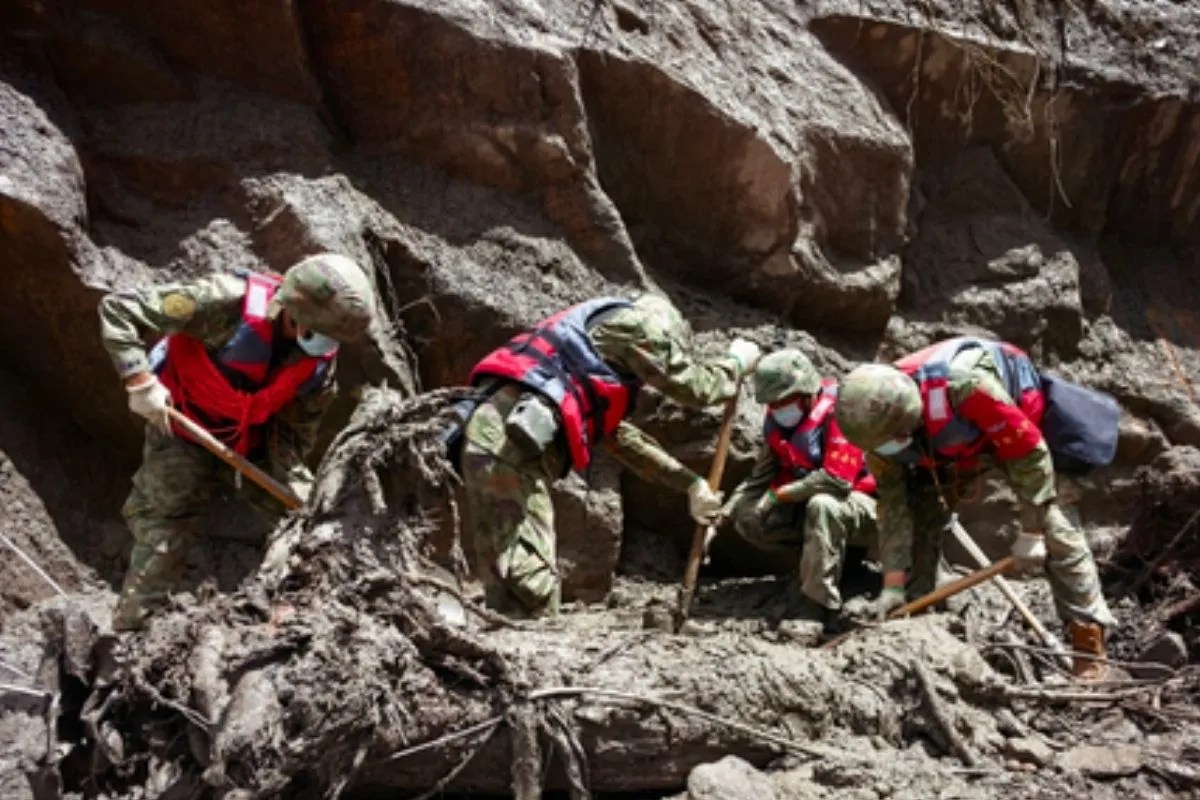
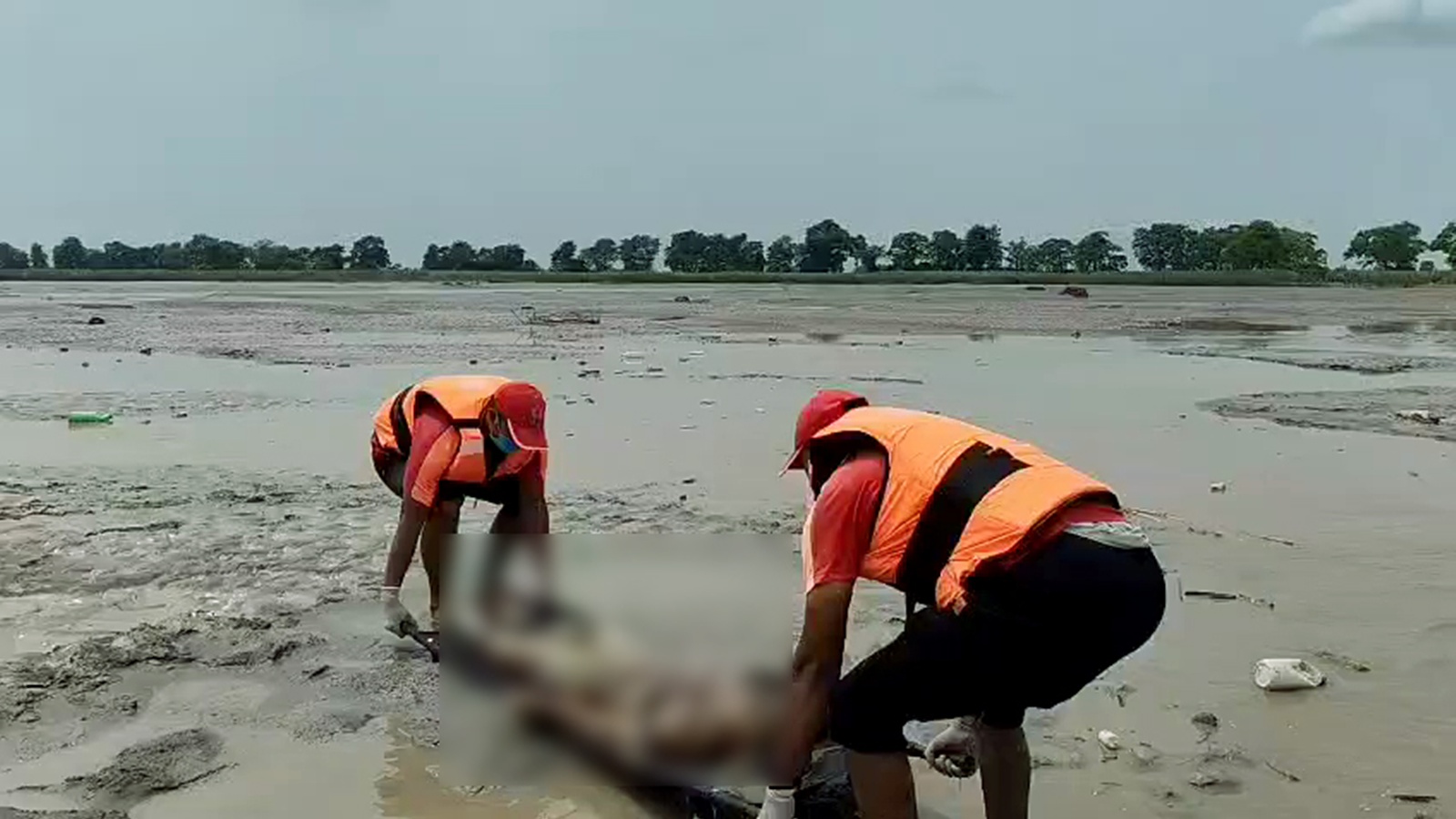
When a catastrophic flash flood tears through the Himalayas, the immediate images are usually predictable. You see muddy torrents sweeping away concrete structures, broken bridges hanging by rusted wires, and survivors clinging to rooftops. But the true horror of disasters like the recent Nepal-Tibet border catastrophe often hits hardest days later, behind closed doors, where morgues run completely out of space.
When the death toll climbs past six hundred, cold storage capacity becomes an impossible bottleneck. Hospitals in districts like Chitwan and Pokhara found themselves overwhelmed almost overnight. Local facilities built to hold a few dozen bodies suddenly faced hundreds of recovered victims pulled from debris-choked rivers.
The Grim Reality of Overflowing Morgues
Most mountain regions operate on baseline healthcare infrastructure designed for daily local needs, not mass casualty events. When flash floods sweep entire settlements away, bodies are recovered miles downstream across multiple districts. Local health outposts lack basic cold storage.
Administrators have had to resort to desperate measures just to manage the influx. Authorities turned to dry ice, set up temporary refrigerated units, and utilized unused public buildings to store the dead. Some districts began relying on unique identification methods like QR codes to track bodies moving between makeshift facilities and overloaded central hospitals.
It is an administrative nightmare compounded by profound grief. Families searching for missing relatives face chaotic scenes outside hospital gates, scrolling through hastily pinned lists or looking at photographs of recovered victims. When infrastructure fails this completely, dignity in death becomes nearly impossible to maintain.
Why Mountain Regions Struggle Most
Geographic isolation makes rapid disaster response exceptionally difficult. The roads connecting remote pockets of Rasuwa, Nuwakot, and Sindhupalchok to urban centers like Kathmandu often vanish under meters of mud and rock.
When transport links break, moving bodies to larger mortuaries in the capital requires helicopters or arduous overland detours. But chopper fleets are already stretched thin prioritizing live rescues, medical evacuations, and dropping food supplies to stranded villagers.
This creates a brutal triage system where the dead must wait. Power outages in disaster zones further complicate matters, knocking out standard electrical refrigeration and forcing local officials to scramble for backup generators and fuel supplies that are already running low.
Lessons We Keep Ignoring
Every time a disaster of this magnitude strikes the Himalayan region, public officials promise better infrastructure planning, improved early warning systems, and decentralized emergency storage. Yet, the systemic vulnerabilities remain largely unaddressed.
Building climate-resilient mortuary infrastructure in high-risk seismic and flood zones is rarely prioritized during peacetime budgeting. Standard protocols rarely account for hundreds of bodies washing down river basins simultaneously.
If governments want to handle future catastrophes without descending into administrative chaos, disaster readiness has to expand past search-and-rescue operations. Real preparedness means investing in portable cold-storage units, regional forensic capacity, and digital identification networks that can be deployed instantly to remote valleys before the next tragedy strikes.