Climate disasters don't wait for seasonal calendars. Right now, Nepal is rushing to secure advance electricity imports from India starting as early as September, throwing out the usual playbook for cross-border energy trade.
Normally, Kathmandu asks for power imports around October when winter sets in and dry riverbeds choke domestic hydro output. But devastating flash floods triggered by a glacier collapse in the Himalayas changed everything overnight. With close to 360 to 550 megawatts of generation capacity wiped out or hobbled, the country has to pivot fast.
The Scale of the Himalayan Energy Crisis
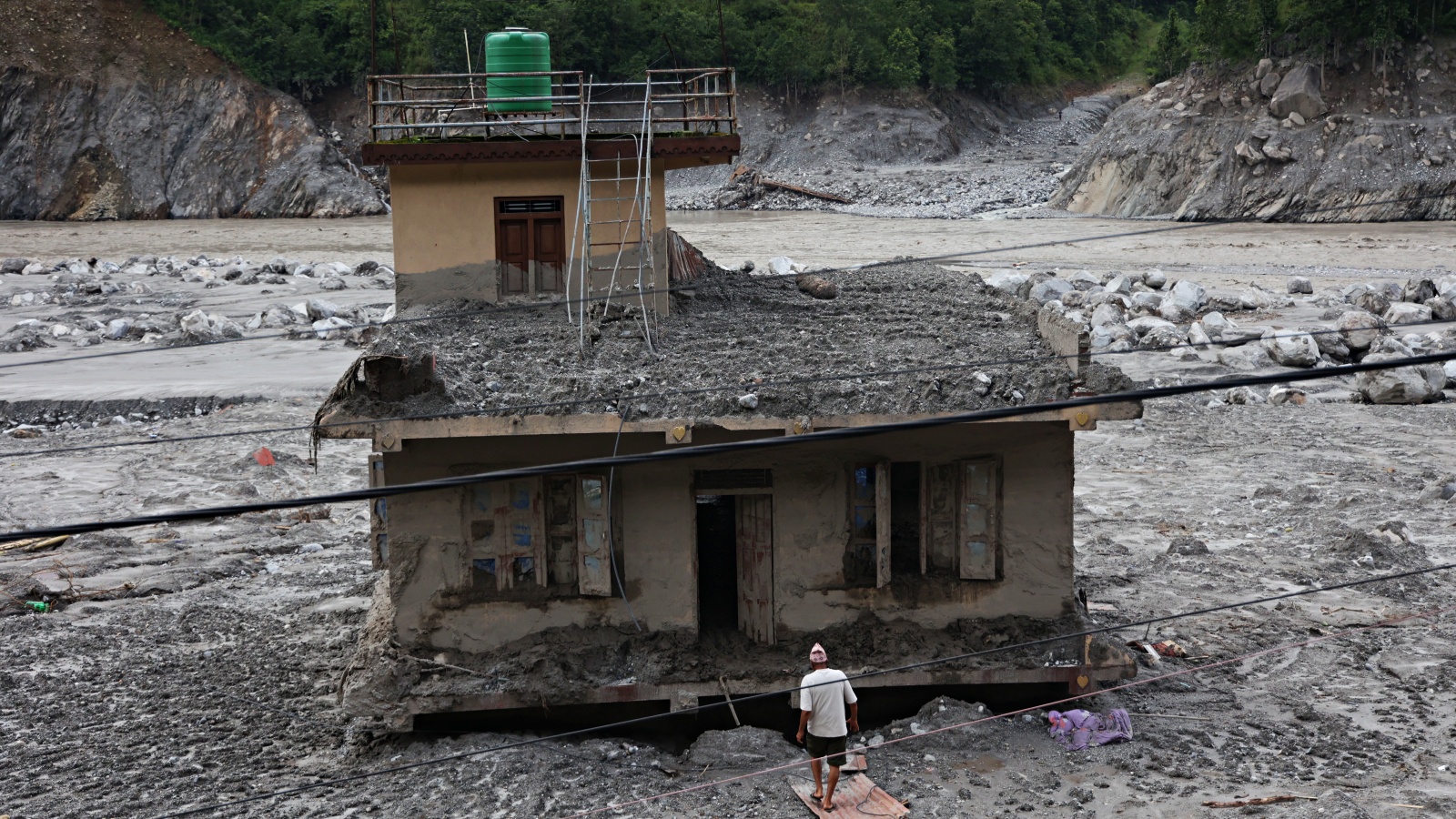
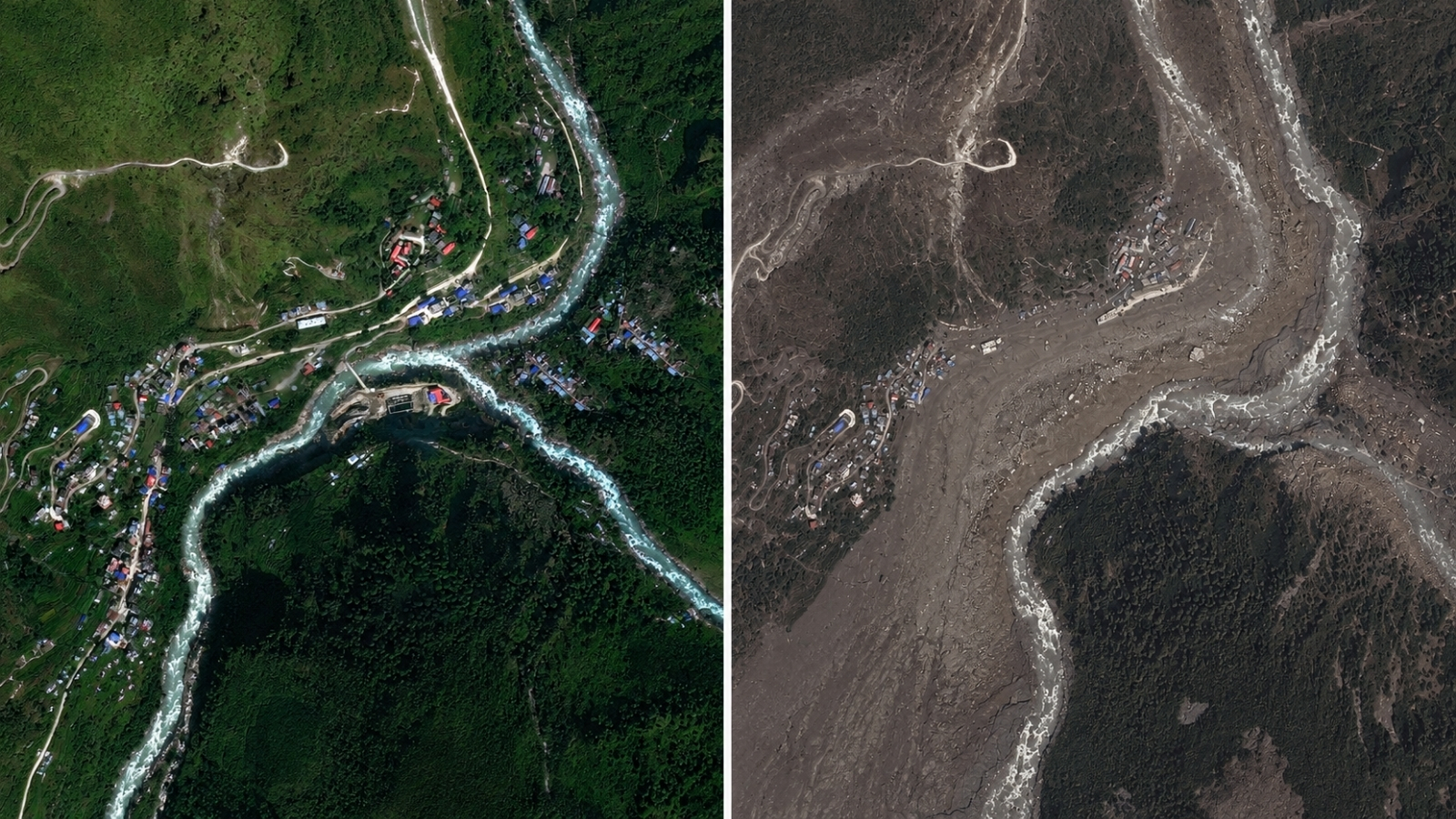
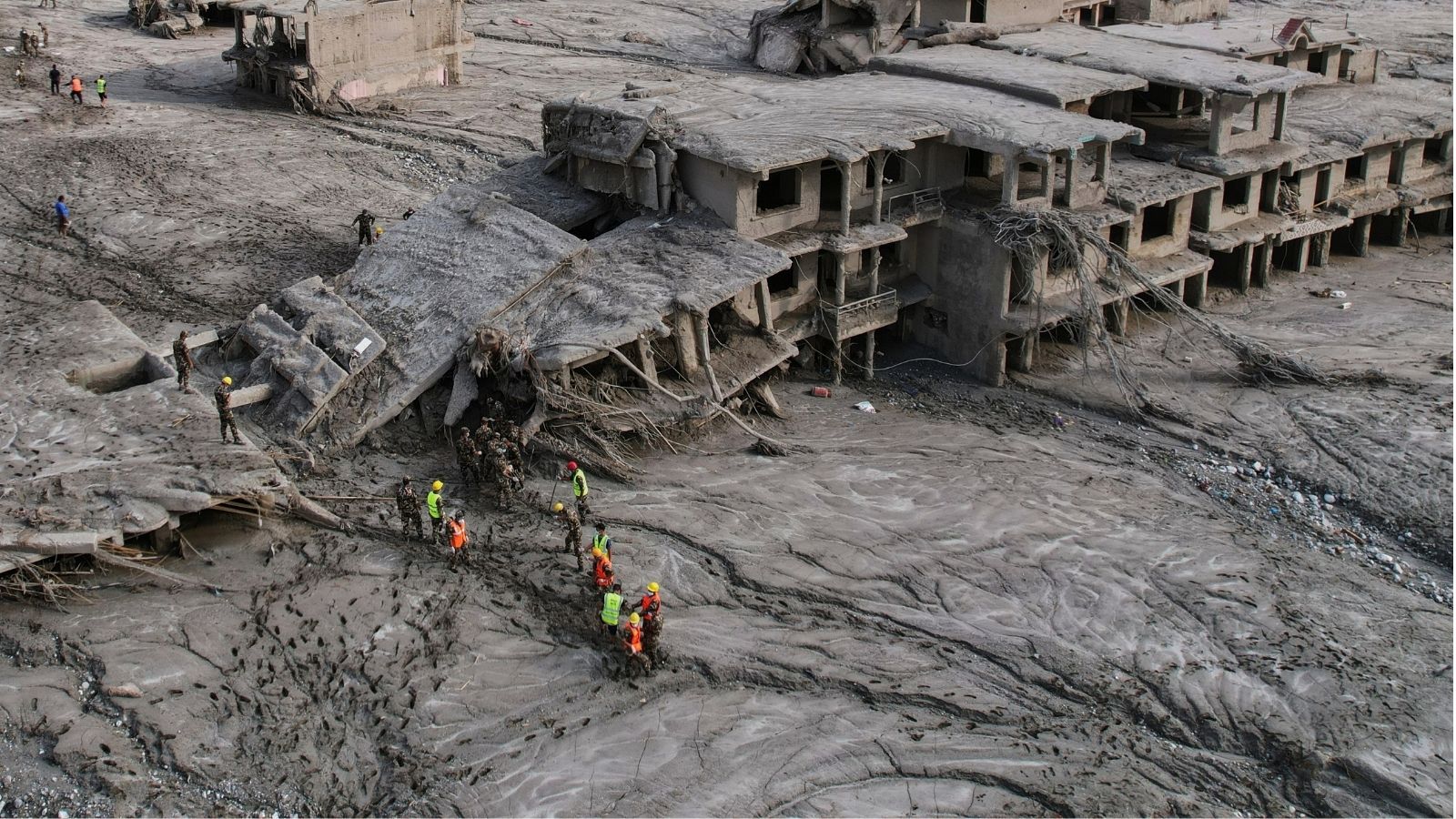
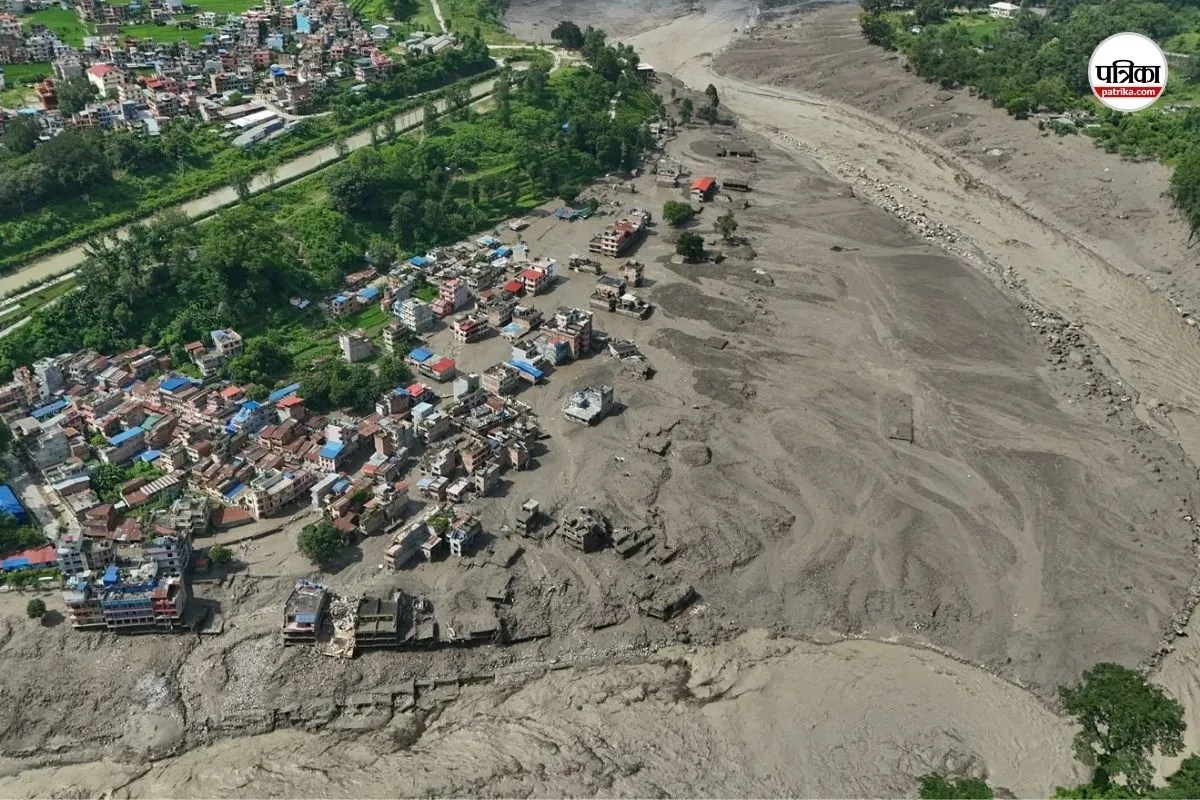
When the Lhende Khola river system surged with a wall of ice, rock, and water, it didn't just devastate local communities. It smashed into critical energy infrastructure across the Rasuwa and Nuwakot districts.
Thirteen operational and under-construction hydropower plants—alongside a major solar installation—took direct hits. Projects like the 216-MW Upper Trishuli-1, the 111-MW Rasuwagadhi plant, and the historic 14.1-MW Devighat facility found themselves knocked offline or severely restricted. Even the cross-border power flow reversed sharply. Nepal's peak export capacity to India, which normally hovers around 900 to 1,000 megawatts, dropped by roughly 400 megawatts.
Power grids don't forgive sudden shocks like this. Nepal relies on hydropower for over 90 percent of its total 4,300-megawatt generation capacity. Losing nearly 8 percent of that base in a single afternoon leaves zero room for error.
How India is Responding to the Shortfall
Cross-border energy cooperation is getting tested in real-time. Indian authorities are currently processing Nepal's early import requests under existing bilateral frameworks.
India has enough domestic reserve capacity to absorb the temporary loss of imported hydro energy from Nepal without destabilizing its own grid. At the same time, New Delhi has dispatched specialized tunnel rescue teams and disaster relief materials to help clear debris and search for missing workers trapped at project sites.
This immediate crisis highlights the fragility of relying too heavily on run-of-the-river hydro projects in an era of rapid climate volatility. As glacial melting accelerates across the Himalayas, building climate-resilient energy networks isn't optional anymore.
If you're tracking regional energy security in South Asia, watch how quickly these regulatory approvals clear in September. The speed of this bureaucratic turnaround will set a new precedent for emergency cross-border grid management.