Remember what giving to disaster relief used to look like? You had to pull physical cash out of your wallet, track down an open branch, and stand in a tedious bank queue just to fill out a paper deposit slip. It was slow, frustrating, and actively discouraged people from helping out.
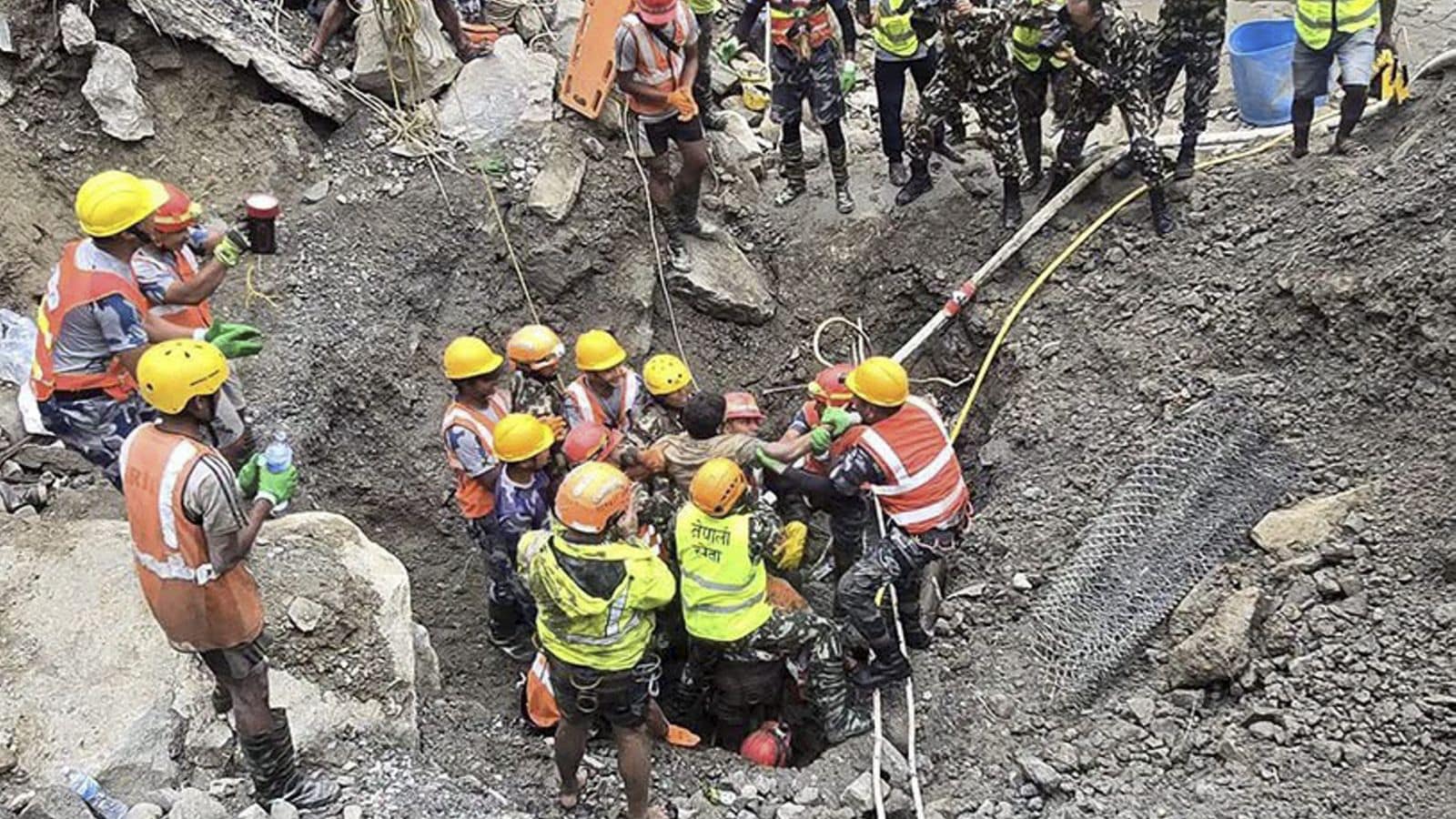
When devastating flash floods struck Nepal following the Bhotekoshi disaster, that entire outdated routine vanished. Instead of wasting hours at a teller window, ordinary citizens grabbed their phones, opened a mobile banking app, and scanned a QR code. Philanthropy in the Himalayan nation just underwent a permanent digital transformation, proving that crisis response can move at the speed of a tap.
How Mobile Payments Rewrote the Rules of Disaster Relief
The shift wasn't just gradual; it was explosive. Within eleven days of the heavy floods, the Prime Minister's Disaster Relief Fund rocketed past NPR 10 billion. That kind of velocity is unprecedented for the region.
Take Bobby Lama, guitarist for the popular band Mongolian Heart. Back during the catastrophic 2015 earthquake and the COVID-19 pandemic, Lama wanted to help. He ended up carrying physical cash directly to affected communities because dealing with traditional bank bureaucracy made government relief channels unappealing.
This time around, things looked completely different. Lama opened his mobile banking app, scanned a QR code, and transferred funds straight to the state relief effort in seconds.
The numbers tell the real story of this behavioral shift. Data compiled from the Finance Ministry, Fonepay, and the Nepal Clearing House Ltd (NCHL) reveal massive digital engagement:
- Fonepay processed hundreds of thousands of domestic QR transactions, generating over NPR 2 billion specifically from local smartphone users.
- NCHL recorded hundreds of thousands of additional digital touches, proving that small-scale contributions could aggregate rapidly.
- The central bank removed transaction limits for donations, which cleared the path for micro-contributions alongside massive corporate gifts.
Breaking Down Geographic Barriers for Global Donors
Local residents aren't the only ones driving this change. Historically, getting money from the diaspora or international well-wishers into an official state fund meant enduring a maze of wire fees, compliance checks, and multi-day delays.
Finance Minister Swarnim Wagle pointed out that the government intentionally bypassed those bottlenecks this time. By integrating international networks—including India's Unified Payments Interface (UPI), Alipay, and 3D Secure-authenticated Visa and Mastercard options—overseas contributors could give instantly.
Global tech giants and everyday workers abroad used these channels seamlessly. You don't need a local bank account or an afternoon off work to support recovery efforts anymore. You just need an internet connection.
The Friction That Remains
Even with billions raised via smartphones, experts warn that the infrastructure isn't entirely bulletproof yet. Digital payment pioneer and tech strategist Manohar Kumar Subba noted that while the money poured in, the rollout revealed administrative gaps.
At the start of the campaign, various state entities circulated roughly eight to ten different QR codes operated by separate commercial banks. That fragmentation caused minor confusion for users trying to verify official channels.
Nepal still needs a unified national tech stack to truly optimize future responses. Building a centralized framework that includes electronic Know Your Customer (e-KYC) protocols, a single interoperable national QR system, and transparent data-sharing platforms will prevent confusion during the next emergency.
Payment service providers did their part by waiving merchant discount rates and transaction fees for relief gifts. Financial institutions realized that keeping friction at absolute zero was the only way to maximize public participation.
If you plan to support international relief initiatives or set up digital donation frameworks for your own local organizations, look at what happened in Kathmandu. Eliminate the paperwork, drop the mandatory branch visits, and let people give instantly through the devices already in their pockets.