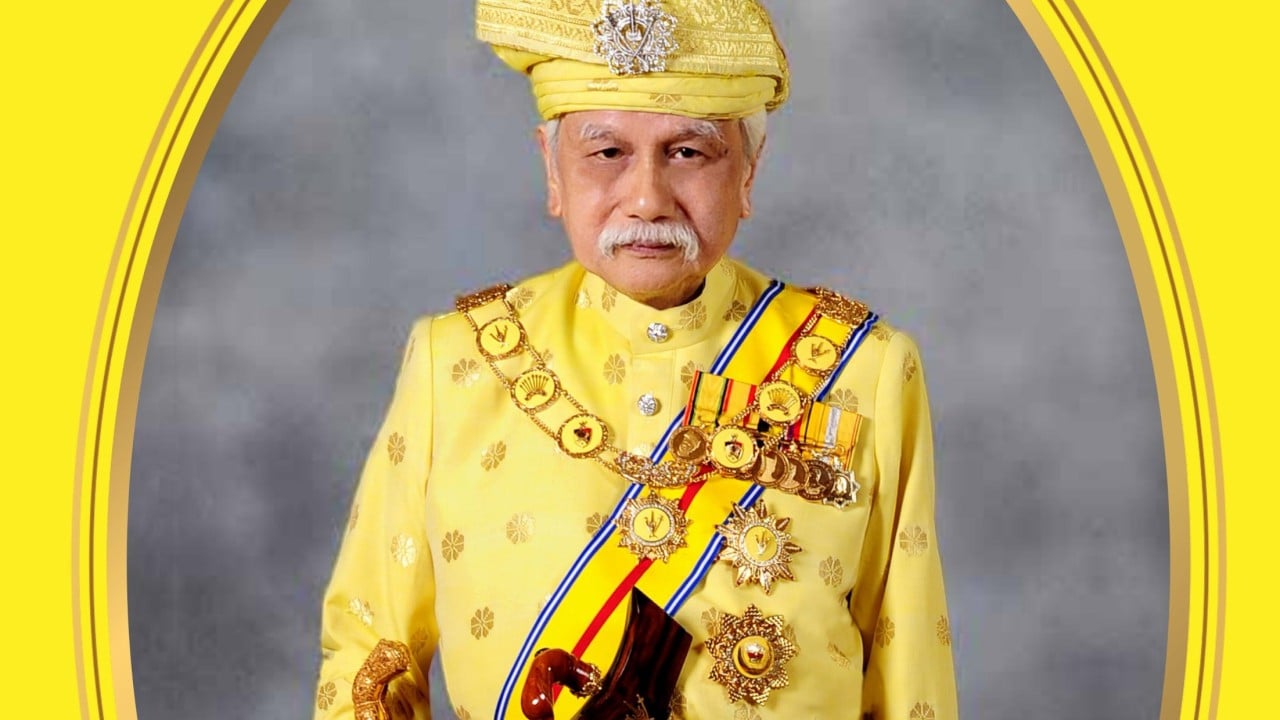
Malaysian police are actively weighing sedition charges against ten former Negeri Sembilan executive council members, transforming a murky succession dispute into an open-air stress test for the country's constitutional framework. Ten ousted state officials found themselves under investigation by Bukit Aman following an alleged plot to challenge the reigning throne, pulling the judiciary, federal politicians, and the royal houses into a dangerous collision.
When state administrative machinery attempts to unseat a sitting monarch, the shockwaves do not stay local. This showdown exposes how easily political ambition can fracture the delicate equilibrium holding Malaysia’s constitutional monarchy together.
The Anatomy of a Constitutional Fracture
At the core of the Negeri Sembilan crisis lies a bitter dispute over royal succession and legitimacy. Unlike states with absolute primogeniture, Negeri Sembilan operates under a unique elective monarchy system governed by traditional Undang (ruling chieftains). This framework has always required absolute discretion and adherence to customary law.
Instead, what unfolded was an aggressive maneuver involving former executive council members and high-profile political figures attempting to validate an alternate proclamation. Veterans of the political establishment, including figures like former Senate president Rais Yatim, quickly found themselves facing criminal charges under the Sedition Act.
The state apparatus did not hesitate. When traditional lines of authority are publicly crossed, the state's instinct is swift containment. Yet, arresting political heavyweights and interrogating former exco members does little to mend the underlying institutional friction. It merely drives the conflict underground while signaling that dissent regarding royal legitimacy carries an immediate penal price.
Why the Sedition Act Remains the Go-To Instrument
The resort to colonial-era legislation highlights a persistent governance dilemma. Whenever elite politics threatens public order or challenges established hierarchies, authorities lean heavily on statutory instruments that prioritize state stability over open debate.
Critics argue that utilizing sedition laws to manage political disputes involving royal succession creates a chilling effect on constitutional discourse. If politicians, legal advisors, and administrators cannot openly debate or question succession documents without risking criminal prosecution, the system loses its internal safety valves.
Consider a hypothetical scenario where an administrative body genuinely misinterprets a complex succession statute under duress. Treating that administrative failure or political miscalculation as an act of malicious sedition blurs the line between administrative malfeasance and criminal subversion. It conflates disagreement with treason.
The Broader Political Fallout
This crisis does not occur in a vacuum. Prime Minister Anwar Ibrahim’s federal administration finds itself walking a political tightrope. On one side, the government must project an image of unyielding stability and respect for traditional institutions. On the other, it faces accusations of heavy-handedness and political bias as state elections loom and opposition figures navigate their own legal battles.
The Conference of Rulers has stepped in to urge a dignified solution, signaling that the royal houses recognize the damage being done to public trust. When regional elites openly fracture over who holds the legitimate right to rule, public faith in both democratic institutions and traditional safeguards erodes simultaneously.
The Cost of Forced Silence
Suppressing the symptoms of a constitutional crisis through police investigations and court appearances provides temporary quiet. It does not resolve the structural ambiguities that allowed the dispute to erupt in the first place. Until Negeri Sembilan’s unique customary laws are harmonized transparently with modern administrative realities, similar flashpoints remain inevitable.
The police dossiers will close, and the courts will deliver their verdicts. But the fundamental question of how a constitutional democracy mediates disputes involving its traditional pillars remains entirely unresolved.


