The floor of the textile mill in Tiruppur vibrates at a frequency that gets into your teeth.
It is a low, persistent hum, the sound of five hundred automated looms chewing through cotton yarn, spitting out bolts of fabric destined for department store racks thousands of miles away. Ramesh stands near the end of line four. He has oil under his fingernails that will not wash out with ordinary soap, a souvenir of twenty years spent nursing these German-built machines through jams, blown fuses, and the endless, cyclical panic of global trade shifts.
Right now, Ramesh is worried about a piece of paper printed in Washington.
He does not read the Federal Register. He does not know the names of the mid-level trade attachés who sit in windowless rooms debating the fine print of customs enforcement. But he knows what happens when the men in the air-conditioned offices upstairs stop smiling. He knows that an ocean away, lawmakers have been drawing bright red lines around supply chains, hunting for the invisible fingerprints of forced labor.
For months, the rumors had been circulating like bad weather. Word came down the supply chain that the United States was tightening its grip, turning its trade enforcement into an unyielding sieve designed to catch anyone profiting from coerced hands. Every exporter in southern India felt the collective chill. In export boardrooms from Mumbai to Chennai, executives stared at spreadsheets, sweating over the prospect of blanket bans that could lock them out of the American market overnight. Entire factory floors teetered on the edge of existential dread.
Then, the ink dried on the latest assessments. India was spared the worst of it.
The heavy iron gate of complete prohibition did not slam shut. The stringent, sweeping tariffs and catastrophic import blocks that caught other jurisdictions off-guard brushed past the Indian textile and manufacturing sectors, leaving the primary export arteries open. On paper, it was a victory. A dodge. A narrow escape.
Upstairs in the glass-walled administrative office, the plant manager poured two small cups of cardamom tea, let out a breath he had apparently been holding since Tuesday, and called it good news.
Down here on the floor, the vibration of the looms felt different. Heavier. More complicated.
Because surviving the immediate algorithmic blow does not mean the storm has passed. It just means the storm has changed its shape.
To understand why Ramesh is still checking his inventory manifests with a furrowed brow, you have to look past the political headlines and into the gritty mechanics of how modern commerce actually moves. Global trade is rarely a story of absolute black and white. It is a vast, messy gray area stitched together by millions of subcontractors, small-scale cotton farmers, ginning mills, and spinning units.
Imagine a single cotton shirt hanging on a hanger in Chicago.
To the shopper, it is simply a garment with a price tag. To the customs inspector, it is a riddle wrapped in documentation. Where was the cotton picked? Who drove the truck that hauled the raw bales to the gin? Were the wages paid above the legal floor, or were they skimmed by an unscrupulous labor contractor operating in a remote district three states away?
This is where the invisible stakes reside. The United States Customs and Border Protection agency operates under a legal mandate that allows them to halt goods at the border if there is even a reasonable suspicion of forced labor anywhere in the production chain. They do not need a smoking gun. They need a reasonable doubt. And in a sprawling, decentralized economy like India's, doubt is easy to manufacture.
When the recent trade evaluations dropped, industry analysts breathed a collective sigh of relief. India avoided the catastrophic designations slapped onto other manufacturing hubs. The doors remained open. Containers kept rolling toward the ports of Jawaharlal Nehru and Chennai. Cargo ships cast off their lines and headed west across the Arabian Sea.
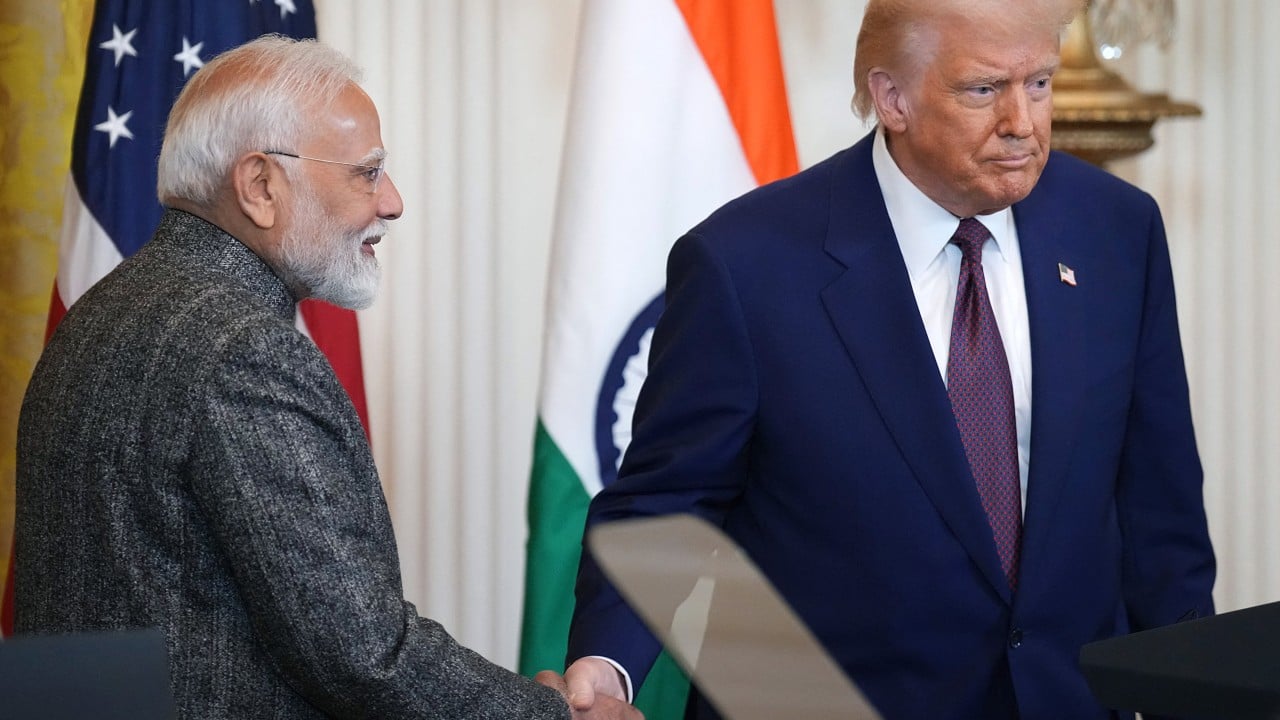
Yet, hard talks loom. That is the phrase the financial pages use. It sounds clinical. Sterile. Like two men in charcoal suits shaking hands across a polished mahogany table while a notary public checks his watch.
The reality on the ground is entirely human.
The hard talks are happening right now between a multi-national retail buyer in New York and a generational mill owner in Gujarat who cannot trace his raw cotton back past the third broker in the chain. They are happening in dusty loading bays where auditors with clipboards demand digital proof for every kilogram of yarn, confronting an ecosystem that has traditionally run on handshake agreements, family trust, and ledger books kept in ink.
Traceability is the new currency. And it is expensive.
For decades, Indian manufacturing scaled on the back of agility and decentralization. Small workshops fed medium mills, which fed massive finishing plants. It was a nimble web that could pivot on a dime to fulfill a rush order of summer dresses or winter fleece. But that very decentralization is now an operational vulnerability.
If you cannot prove, down to the individual cooperative, where every thread originated, you are living on borrowed time.
Consider what happens next. The major American brands, spooked by the mere proximity of regulatory scrutiny, are beginning to demand airtight transparency. They are passing the burden down the line. They are telling suppliers like Ramesh’s boss: clean up the entire supply chain, map every farm, digitize every payroll, or find another buyer.
For a massive corporate conglomerate, hiring a fleet of blockchain auditors and compliance officers is a line item in the quarterly budget. For a mid-sized spinning mill that employs three hundred people in a semi-rural district, it is a terrifying financial hurdle. It requires upgrading software, retraining staff, and cutting ties with long-standing suppliers who simply cannot or will not adapt to the new digital bureaucracy.
This is the hidden cost of being spared. You are not off the hook; you have simply been given a stricter probation officer.
Walk through the market lanes of Tiruppur on a Saturday evening, and you will hear the real conversation. It is not about macroeconomic policy or geopolitical positioning. It is about margins, compliance costs, and the nagging fear that the next quarterly review will bring a new list of demands from overseas buyers who do not care about the local realities of rural employment.
The business owners know the truth. The exemption was a reprieve, not a pardon.
The United States market remains the golden goose for Indian exporters. Billions of dollars in apparel, home textiles, and engineered goods flow across the Pacific every single year. Entire communities depend on the steady hum of those looms. If a future audit finds a single chink in the armor—a rogue subcontractor cutting corners on wages or an unverified cotton broker sneaking low-grade material into the mix—the hammer will fall. There will be no second reprieve.
So why does Ramesh keep his eyes fixed on the moving needles?
Because he knows that survival isn't handed down from a government decree. It is forged in the grueling, daily work of tightening the bolts, checking the specifications, and making sure that every single thread passing through his machine can stand up to the harshest light.
The trade ministers can pack up their briefcases and declare the crisis averted. The newspaper headlines can move on to the next global drama. But in the mills, the real test has only just begun. The walls are up, the rules are written, and the needle keeps moving, stitch by relentless stitch, toward an uncertain horizon.