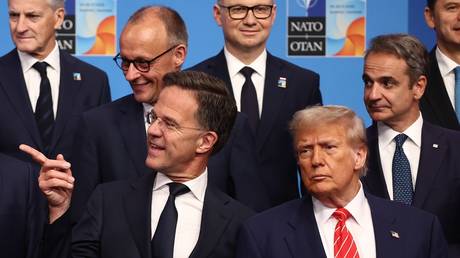
NATO is having a mid-life crisis, and it's mostly because of the guest list. Recent reports suggest the 77-year-old alliance is seriously considering scrapings its annual summit schedule. Why? Because sitting in a room with Donald Trump once a year has become the geopolitical equivalent of a high-stakes hostage negotiation.
Don't think this is just some scheduling quirk. It’s a survival tactic. Six different sources recently told Reuters that NATO officials are floating the idea of holding summits every two years instead of every summer. The logic is simple: the less time you spend in a room with a guy who threatens to let Russia "do whatever the hell they want" to non-paying members, the less chance you have of the whole alliance imploding on live TV.
The Trump factor and the price of high drama
Let's be real—Donald Trump treats NATO summits like a reality show season finale. He doesn't just want policy; he wants concessions, public apologies, and eye-popping numbers. Last year at The Hague, he managed to push the alliance toward a staggering 5% GDP spending target. While Secretary General Mark Rutte has been masterful at stroking the President’s ego, the "Trump drama" creates a level of volatility that NATO’s bureaucracy just isn't built to handle.
The problem isn't just the rhetoric. It’s the unpredictability. When the U.S. President suggests he might take control of Greenland or complains that European allies aren't helping enough with strikes against Iran, it derails everything else. Diplomats are tired of the "eye-catching results" pressure. They’d rather do the boring, necessary work of defense planning in quiet offices in Brussels than under the glare of a thousand cameras while waiting for a tweet to blow up the collective security of the West.
Why 2028 is the year NATO wants to skip
If you look at the calendar, the strategy becomes even more obvious. The 2027 summit is slated for Albania in the autumn. But it’s 2028—the next U.S. election year—that has everyone spooked. That would be Trump’s final full calendar year in his current term, and nobody wants a massive summit right in the middle of a heated campaign where "America First" is the loudest slogan.
- summits create deadlines.* When you have a summit, you need a "deliverable." This forces leaders to make big promises they might not be ready for.
- Volatile optics. One bad press conference can undo three years of diplomatic groundwork.
- The Rutte Factor. Mark Rutte was picked as Secretary General specifically because he’s the "Trump whisperer." Even he knows that less exposure might be the best way to keep the U.S. in the fold.
NATO's history with summits has always been inconsistent. They didn't used to happen every year. The annual tradition only really kicked into high gear around 2021. Going back to a biennial schedule isn't actually a "break" with tradition; it’s a return to form. It gives the various committees and the "NATO Transition Planning Group" room to breathe. They need to coordinate how to reach that 5% spending goal without having to perform for the White House every twelve months.
Balancing the 5 percent burden
While the media focuses on the drama, the actual work is about the money. Trump's "monumental win" of pushing allies to spend 5% of their GDP on defense by 2030 (split between military and infrastructure) is a massive lift. Most European nations are currently struggling to hit the old 2% mark.
Moving to a two-year cycle allows these countries to report progress on a more realistic timeline. It turns NATO from a series of high-pressure summits into a long-term project. The "free ride" is officially over, as Speaker Mike Johnson put it, but Europe needs time to build the factories and buy the Patriot batteries to prove it.
What happens if the summits stop
If NATO successfully pivots to a bi-annual schedule, expect the focus to shift toward the "Arctic Sentry" initiatives and the High North. The alliance is trying to show Trump they are responsive to his specific concerns—like Greenland or the Strait of Hormuz—without giving him a podium to threaten Article 5 every July.
You should keep an eye on the Ankara summit this July. It'll be the litmus test. If it goes south, or if the "olive branch" proposals on trade and defense don't land well, the 2028 "gap year" is almost a certainty. NATO is betting that absence makes the heart grow fonder—or at least keeps the U.S. President from hitting the "delete" button on the most successful military alliance in history.
Don't look for a formal announcement yet. These things are handled with the subtlety of a Victorian romance. But when the 2028 dates fail to appear on the official calendar, you’ll know why. The "drama" has finally become more expensive than the diplomacy is worth. All eyes are now on how Rutte manages the Ankara meetings; if he can't keep the peace there, the era of the annual NATO summit is effectively dead.