Back in 1984, NASA packed 12.5 million tomato seeds onto the Long Duration Exposure Facility and launched them into orbit. Most people think space exploration is just about rockets and rovers. They forget that plants have to tag along if humans ever want to survive long periods away from Earth. Those little seeds sat exposed to the harsh vacuum, cosmic radiation, and extreme temperature swings of space for nearly six years before finally coming home.
When researchers opened the canisters in 1990, they didn't throw them away. Instead, they handed them out. By 1990, roughly 40,000 schools across 40 countries were growing those space-traveled seeds right next to normal, earthbound control seeds. It turned out to be one of the largest citizen science projects of the twentieth century. Students weren't just reading textbooks; they were actively measuring germination rates, tracking growth anomalies, and contributing real data back to agricultural scientists.
Why Space Tomatoes Matter More Than You Think
Growing food off-planet isn't a neat sci-fi trope. It's an absolute survival requirement. If you want to send astronauts to Mars, you can't pack enough freeze-dried rations for a three-year round trip without the spacecraft weighing a million pounds. You have to grow your own calories.
The 1984 experiment gave scientists their first massive dataset on how long-term exposure to space conditions affects plant biology. Cosmic radiation causes DNA mutations. Some mutations kill the seed instantly. Others make the plant freak out and grow weirdly. A few might actually make the plant tougher, more resilient, or faster-maturing.
When those 12.5 million seeds arrived at classrooms, students became junior agronomists. They set up side-by-side plots. They watered them the same way, gave them the same sunlight, and measured every millimeter of growth. Teachers didn't have to fake enthusiasm with boring worksheets because the kids were holding literal space contraband that might grow into a mutant vine or a giant fruit.
What Classrooms Actually Discovered
You might assume every space seed grew into a glowing, multi-eyed monster. Real science is much more boring—and much more interesting.
Most of the space-flown seeds grew normally. But across thousands of classrooms, patterns emerged. Some batches showed a drop in germination rates, proving that intense cosmic rays and radiation take a serious toll on cellular structures. Other batches actually sprouted faster, catching scientists off guard.
Students documented stunted growth, weird leaf patterns, and unusual pigmentation. They sent their findings back to NASA and the Ball Aerospace Systems Division, which coordinated the project. Real researchers sifted through thousands of student logs to map out the biological damage threshold of prolonged space exposure.
This project proved something vital about education. Kids learn science by doing science, not by memorizing the periodic table for a Friday quiz. Handing a teacher a packet of space seeds turns a standard classroom into a legitimate research outpost.
The Logistics of Launching Millions of Seeds
Putting 12.5 million seeds into orbit sounds simple until you look at the engineering constraints of 1980s spaceflight. Space inside the payload bay of the Space Challenger was premium real estate. Every single ounce cost thousands of dollars to boost past the atmosphere.
The seeds were packed inside special aluminum canisters designed to withstand the violent vibrations of liftoff and the thermal extremes of low Earth orbit. The Long Duration Exposure Facility—known as LDEF—was meant to stay up there for about a year. Then the Challenger disaster happened, grounding the shuttle fleet. LDEF was left stranded in orbit, slowly decaying in altitude, watching its orbit drop day by day.
NASA engineers sweated bullets. If LDEF re-entered the atmosphere too early, it would burn up, destroying the seeds and decades of potential research. Fortunately, the spacecraft held on until January 1990, when the Space Shuttle Columbia finally grabbed it during mission STS-32.
When the payload bay doors opened back on Earth, scientists rushed to check the cargo. The seeds had survived six years in the deep dark.
How to Apply Space-Age Thinking to Your Own Garden
You don't need a multi-million-dollar NASA budget to experiment with your plants. Space agencies use extreme environments to test biological limits, and you can borrow those exact principles in your backyard or apartment balcony.
Stress testing plants is how you find out what they can really handle. If you want tough tomatoes, don't baby them. Let the soil dry out slightly between waterings to force the roots to chase moisture deeper into the dirt. Expose young seedlings to gentle fan breezes to simulate wind; this triggers thick, sturdy stems instead of weak, spindly stalks.
Keep a garden journal just like those students did in 1990. Track germination dates, soil temperatures, and pest outbreaks. Most people fail at gardening because they guess instead of measuring. Treat your soil like a lab bench.
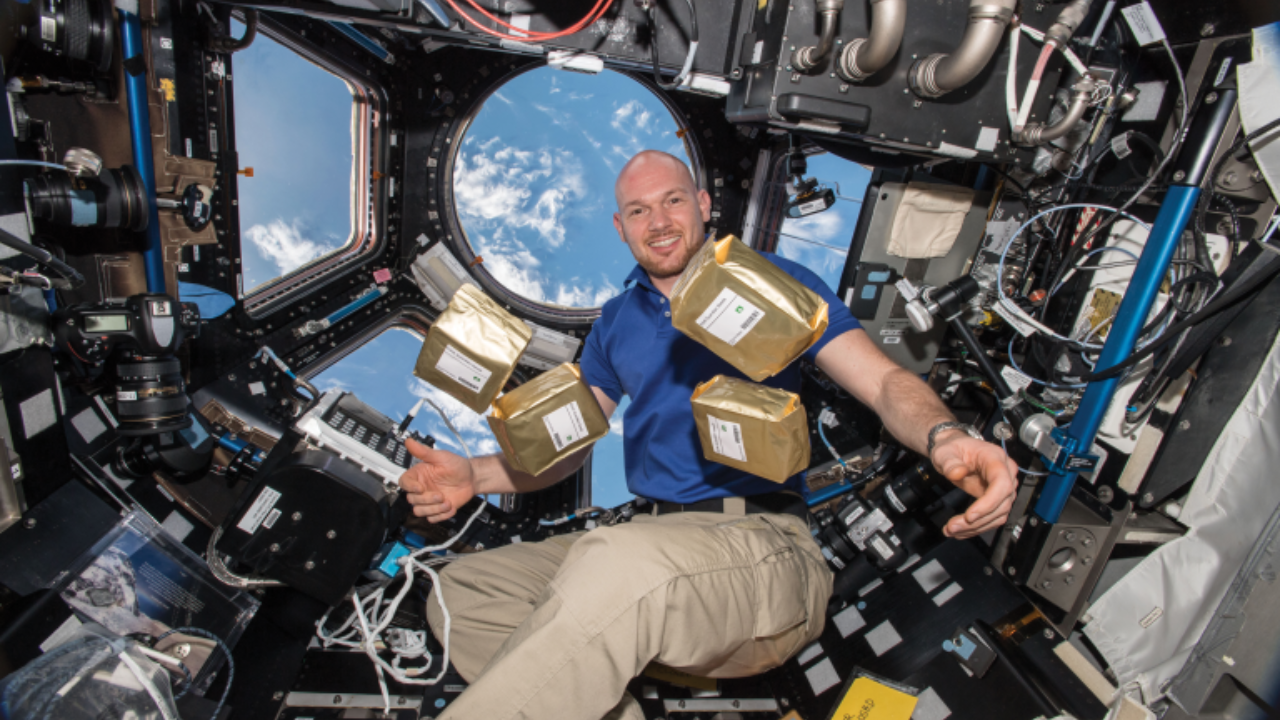
Space agriculture has come a long way since 1984. Today, astronauts on the International Space Station eat fresh lettuce, radishes, and dwarf tomatoes grown in the Veggie plant growth system. Every single bite of orbit-grown salad traces its lineage back to those early experiments where millions of seeds hitched a ride into the void and taught us how life adapts to the stars.