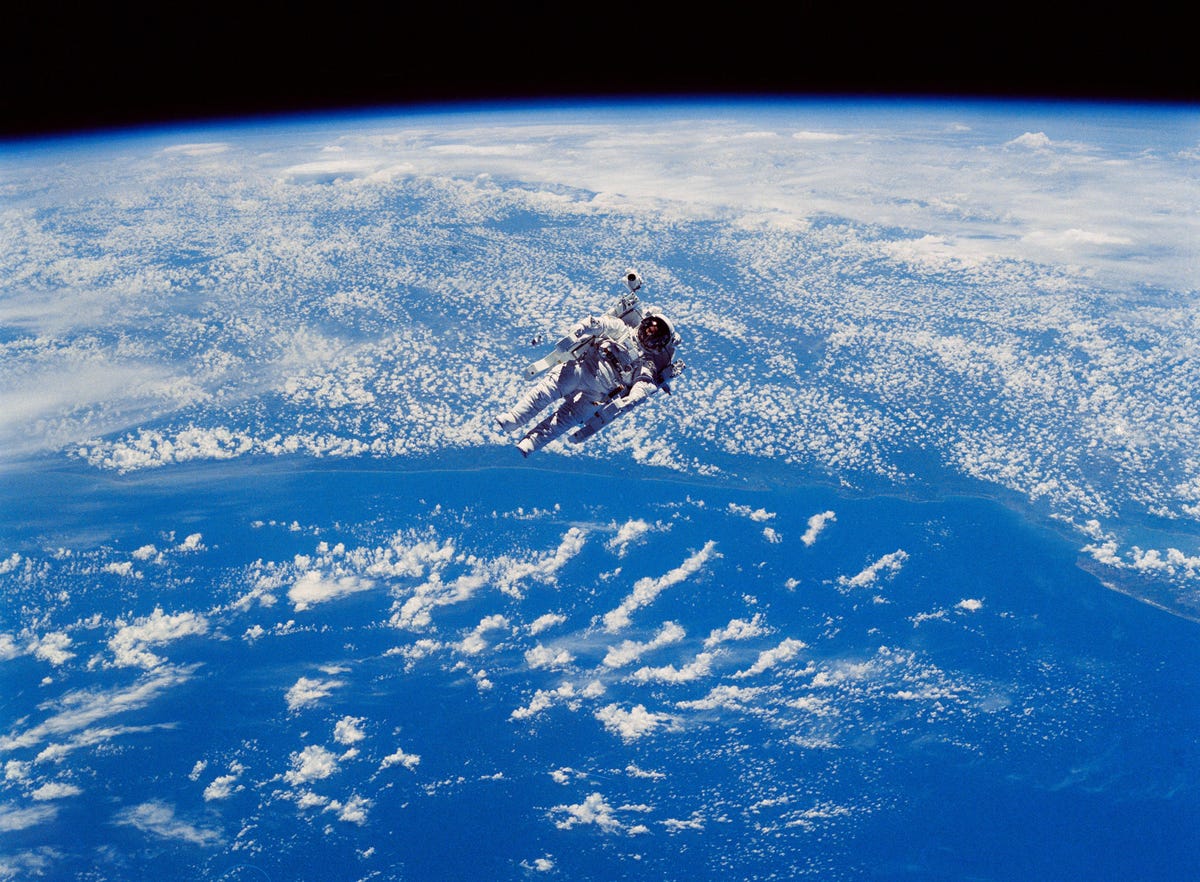
The view of Earth from 250 miles up never gets old. It’s a gut-punch of perspective that most humans will never experience firsthand. Recently, NASA astronauts aboard the International Space Station (ISS) shared fresh photography of our planet, and the images are spectacular. They call it "phenomenal" for a reason. But these photos aren't just for Instagram likes or desktop wallpapers. They represent the final look back at our home world before NASA pivots its focus toward the lunar surface.
Looking at the thin blue line of the atmosphere from the Cupola of the ISS changes a person. It makes everything on the ground seem small. All our petty arguments and borders vanish when you see the planet as a single, fragile marble hanging in the dark. This perspective is vital right now. We're on the edge of a new era. The Artemis program is moving fast, and soon, the view will change from the vibrant blues of Earth to the desolate, gray craters of the Moon.
Why These Images Matter More Than You Think
People often ask why we keep taking photos of Earth. Haven't we seen it all? No. The lighting changes. The storms evolve. The seasons shift the colors of the continents in ways that satellites can't always capture with the same "soul" as a human behind a lens. These latest shots show the intense clarity of the Saharan dust plumes and the intricate turquoise swirls of the Great Bahama Bank.
Astronauts use Nikon Z9 cameras these days. They aren't just snapping selfies. They’re documenting Earth’s changing climate and geological shifts. More importantly, they're practicing. Taking high-quality photos in microgravity is a skill. Lighting is harsh. Shadows are deep. If you can’t get the shot right while orbiting Earth, you’ll definitely miss it when you’re hurtling toward the lunar South Pole at thousands of miles per hour.
NASA uses these missions to test hardware and human patience. Living on the ISS is basically a long-term camping trip in a pressurized tin can. Every photo taken is a data point for how humans interact with their environment when "home" is a distant view through a window.
The Shift From Low Earth Orbit to Deep Space
The International Space Station has been our primary outpost for over two decades. It’s familiar territory. We know how to get there. We know how to live there. But the Moon is a different beast entirely. When astronauts look at Earth today, they’re looking at a safety net. If something goes wrong on the ISS, you can be home in a few hours.
On a Moon mission, that safety net is gone. You're days away from help.
NASA’s current push is about moving beyond the "neighborhood" of Earth. The Artemis III mission aims to land the first woman and the first person of color on the lunar surface. To do that, we have to stop just looking at Earth and start looking away from it. The photos we see now are a sentimental farewell to the era of Low Earth Orbit (LEO) dominance. We're moving from being "orbiters" to being "explorers" again.
Living on the Edge of the Void
Life on the ISS is gritty. It’s not all floating around and eating space ice cream. It’s constant maintenance. It’s CO2 scrubbing. It’s exercising two hours a day so your bones don't turn into Swiss cheese. The astronauts taking these "phenomenal" photos are working 12-hour shifts. They’re tired. They’re cramped.
Yet, they still find time to drift over to the window.
They describe the "Overview Effect." It’s a cognitive shift reported by many space travelers. Seeing Earth from space creates a deep sense of connection to the planet and a desire to protect it. As we prepare to establish a permanent presence on the Moon with the Gateway station and lunar base camps, keeping this connection is essential. We don't want to lose our humanity as we become a multi-planetary species.
Technical Challenges of Moon Photography
Taking photos on the Moon is way harder than on the ISS. On the ISS, you have the Earth filling half the sky, reflecting tons of light. It’s bright. On the Moon, you have the "pitch black" problem. The sun is blindingly bright, and the shadows are absolute. There’s no atmosphere to scatter light.
- Radiation: Sensors get fried by cosmic rays much faster outside Earth’s magnetic field.
- Dust: Lunar regolith is like crushed glass. It gets everywhere. It scratches lenses and jams buttons.
- Thermal extremes: One minute you're in 250°F sunlight, the next you're in -250°F shadow.
The gear being tested on the ISS right now is being ruggedized for these conditions. Every "pretty" photo of a sunset over the Pacific is also a test of how the camera sensor handles the direct glare of the sun without the protection of a thick atmosphere.
The Moon is Just a Pit Stop
Don't be fooled. The Moon isn't the final destination. It’s a training ground. It’s where we learn to extract water from ice. It’s where we test nuclear fission reactors for power. It’s where we build the infrastructure needed to eventually get to Mars.
If we can't survive on the Moon, which is only three days away, we have zero chance of surviving a three-year round trip to the Red Planet. That’s the reality. These photos of Earth serve as a reminder of what we’re trying to preserve while we look for ways to expand. It’s about balance. You can't care about the stars if you don't care about the dirt you stood on first.
Stop Looking at the Screen and Start Looking Up
It’s easy to get desensitized to space photos. We see them every day on our phones. But take a second to really look at the next high-res shot NASA drops. Look at the clouds. Look at the lack of borders. That’s us. Every person you’ve ever met is on that little ball.
If you want to stay updated on the Artemis missions, stop following just the big news outlets. Check the NASA "Image of the Day" gallery directly. Look at the technical briefs on the Gateway program. The "phenomenal" views are only going to get crazier as we move further away. We’re about to see the first "Earthrise" photos taken by human hands in over fifty years. That’s going to be a moment that stops the world.
Don't just be a passive consumer of these images. Understand the grit and the engineering behind them. We aren't just taking pictures; we're mapping our exit strategy and our home simultaneously. Watch the launch schedules for the next SLS rockets. Pay attention to the Starship HLS developments. The transition from Earth-centric photos to Moon-centric ones is happening right now. You’re living through the most significant shift in human exploration history. Don't miss it because you were too busy looking at a different kind of screen.
Get a telescope. Even a cheap one. Look at the lunar South Pole tonight. That’s where we’re going. The astronauts currently on the ISS are the last ones who will have "only" the Earth to look at. The next generation will have two worlds to photograph. That's not just cool. It’s a total shift in what it means to be a human being.


