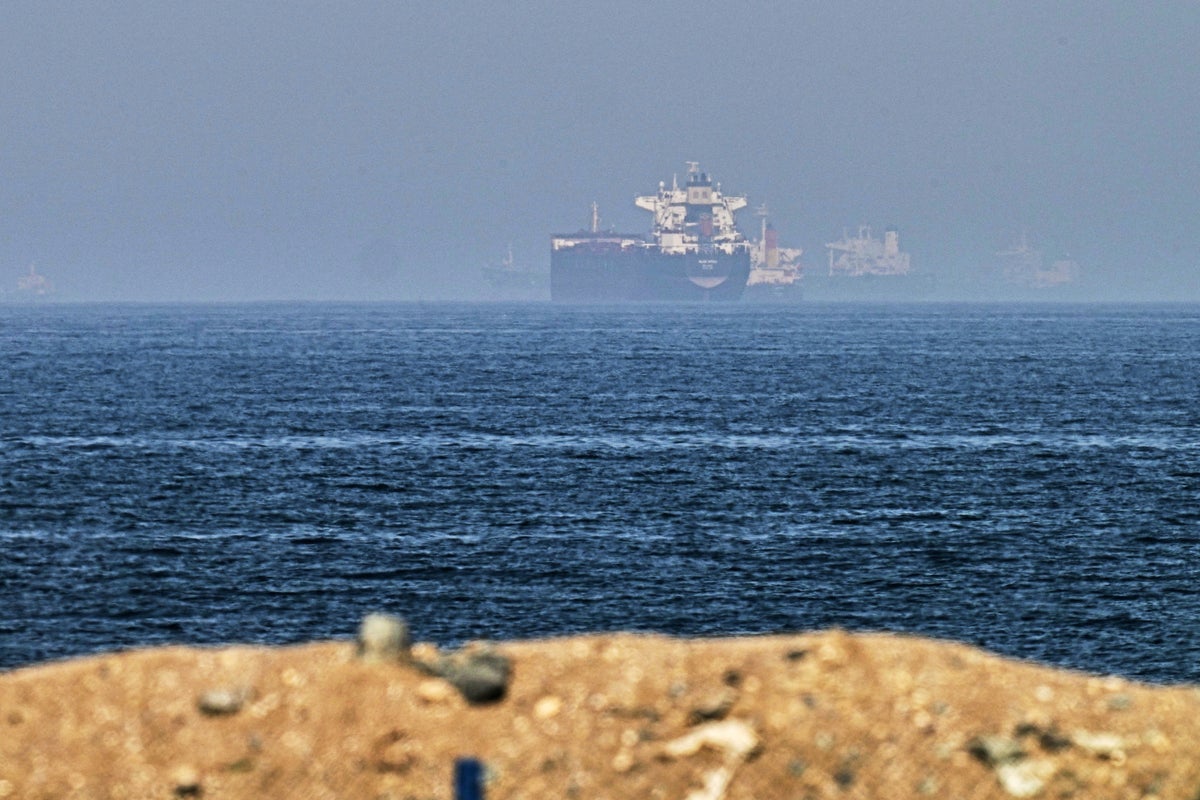
Salt crusts on the windshield of a tanker inching through a channel so narrow it feels like threading a needle in the dark. The captain does not look at the horizon. He watches the digital blips, the silent, ghost-like geometries of radar tracking steel hulls moving in the Persian Gulf. Every mile here is measured not in distance, but in anxiety.
Below deck, the crew operates in a low hum of machinery and muffled prayers. They know the geography of vulnerability. A tiny strip of water, barely twenty-one miles wide at its absolute pinch, acts as the throat through which a staggering share of the planet’s daily energy supply must force itself. When that throat constricts, economies cough. Prices spike at neighborhood gas stations in Ohio, heating bills jump in Berlin, and factories slow their assembly lines in Tokyo.
History is heavy in these waters. It smells of crude oil, ozone, and old smoke.
For decades, the Strait of Hormuz has remained the most fragile chokepoint on Earth. It is a watery corridor where political posturing carries immediate, violent teeth. Tensions do not stay on television screens; they manifest as soaring insurance premiums for cargo ships, rerouted voyages around entire continents, and the quiet panic of markets reacting to a single sentence spoken thousands of miles away.
Then came the announcement.
Donald Trump signaled that a deal to reopen the Strait of Hormuz could materialize as early as Wednesday.
The political machinery of Washington and the chaotic currents of international diplomacy collided with the stark reality of maritime commerce. Markets jerked awake. Traders stared at glowing terminals, calculating the exact drop in crude futures if those shipping lanes opened wide again. But behind the tickers and the diplomatic communiqués lies the human reality of a corridor held hostage by geography and ambition.
Consider what happens next: the diplomatic gears grind, negotiators exchange drafts behind closed doors in neutral capitals, and men in crisp suits posture for the cameras. Yet, thousands of miles away, a chief engineer on a Liberian-flagged crude carrier simply wants to know if he will see his family in Manila next month without his vessel being boarded, detained, or harassed.
Geopolitics is often discussed in rooms with polished mahogany tables. Its consequences are felt in engine rooms smelling of diesel and sweat.
To understand the weight of a potential reopening, one must look at the mechanics of the choke. The shipping lanes are split into two two-mile-wide corridors—one inbound, one outbound—separated by a buffer zone. It is a highway over water, tightly managed by maritime traffic services. When friction rises between regional powers and global actors, that highway becomes a minefield. Vessels turn off their transponders, slipping through the shadows like ghosts. Crews practice drills for asymmetric threats, small fast attack craft, and electronic jamming.
The promise of a Wednesday breakthrough sounds clean. Crisp. Bureaucratic.
Reality is rarely so tidy.
Agreements hammered out in high-stakes diplomacy require trust. And trust is the rarest commodity in the Middle East. Even if a framework is agreed upon by midweek, the operational reality on the water shifts much slower. Navies must stand down. De-escalation channels must prove reliable. Insurance underwriters, notoriously conservative creatures who calculate risk down to the fraction of a cent, need to see sustained calm before they slash war-risk premiums.
A signature on a piece of paper does not instantly clear the static from a captain's radio.
We have walked this road before. The dance of brinkmanship is an old choreography. One side threatens closure; the other deploys carrier strike groups; markets react with predictable spasms of terror; and then, through backchannels and quiet compromises, a ledge is found. Everyone steps back. For a moment.
This is the cycle of modern energy dependency. We tie the lights in our homes and the fuel in our cars to a stretch of water bordered by nations locked in generational rivalries. We outsource our peace of mind to captains we will never meet, navigating waters we will never see.
When the news cycle focuses on deadlines like Wednesday, it reduces a complex web of fear, power, and survival into a headline designed for a twenty-four-hour news cycle. It treats the Strait of Hormuz like a stubborn valve on a kitchen sink that just needs a sharp twist from a skilled plumber.
The plumber, in this case, is a shifting coalition of diplomats, leaders, and military commanders walking a razor's edge.
If the deal holds, the relief will not arrive with a fanfare of trumpets. It will arrive in the silence of tankers moving steadily through the blue-green water, their hulls sitting low and heavy with oil, engines throbbing with steady rhythm. It will arrive as a collective exhalation from boardrooms in Houston to kitchen tables in Madrid.
And if it falls apart, the silence will be of a very different kind. The kind that precedes a storm.
Out on the water, the sun dips below the horizon, painting the oil-slicked waves in bruised shades of purple and orange. The watch officer adjusts his binoculars, scanning the dark silhouette of the coast, waiting to see what Wednesday brings.