Distance alters panic. For families watching a disaster unfold through pixelated screens thousands of miles away, hours stretch into weeks. A monsoon does not merely wash away roads; it severs communication lines, plunging foreign workers and students into silent voids that test the limits of international family endurance. When flash floods and landslides tore through Nepal, destroying vital infrastructure and stranding travelers, the immediate casualty was physical. The secondary shockwave rippled outward, traveling thousands of miles across borders into the quiet apartments of families waiting in China, desperate for a single ping on a mobile phone to confirm survival.
Communication blackouts during Himalayan disasters expose the fragility of modern connectivity. High-altitude regions present severe geographical hurdles for telecommunications infrastructure even during calm weather. Add torrential rainfall, widespread power grid failures, and mudslides sweeping away cellular towers, and entire valleys become invisible to the outside world. For parents living in urban centers across China whose children are studying or working in remote parts of Nepal, this blackout creates a distinct psychological agony. The official news reports offer macro-level statistics on casualties and structural damage, but they rarely answer the specific, urgent question haunting every waiting household. Is my child breathing?
The Anatomy of Distance and Information Poverty
Information poverty defines the early hours of any major trans-national crisis. Consulates move slowly, bogged down by diplomatic protocol and verification requirements before issuing statements. Local emergency services in Nepal prioritize immediate search and rescue operations, meaning tracking down individual foreign nationals takes a back seat to pulling people from swollen rivers.
Families experience a distinct information vacuum. They monitor social media channels, translate local Nepali news broadcasts through imperfect applications, and dial emergency hotlines that ring indefinitely. The psychological toll of this waiting game is profound. Modern technology promises instant global communication, creating an unspoken contract that we should always be reachable. When that contract breaks down in the face of a natural disaster, the anxiety is magnified by our absolute reliance on constant digital tethering.
Geopolitical and Logistical Realities on the Ground
Navigating rescue and verification operations across the border involves complex diplomatic layers. China and Nepal share a rugged, mountainous frontier where border points like Tatopani and Rasuwagadhi serve as critical trade and transit arteries. When these passes close due to landslides, movement freezes.
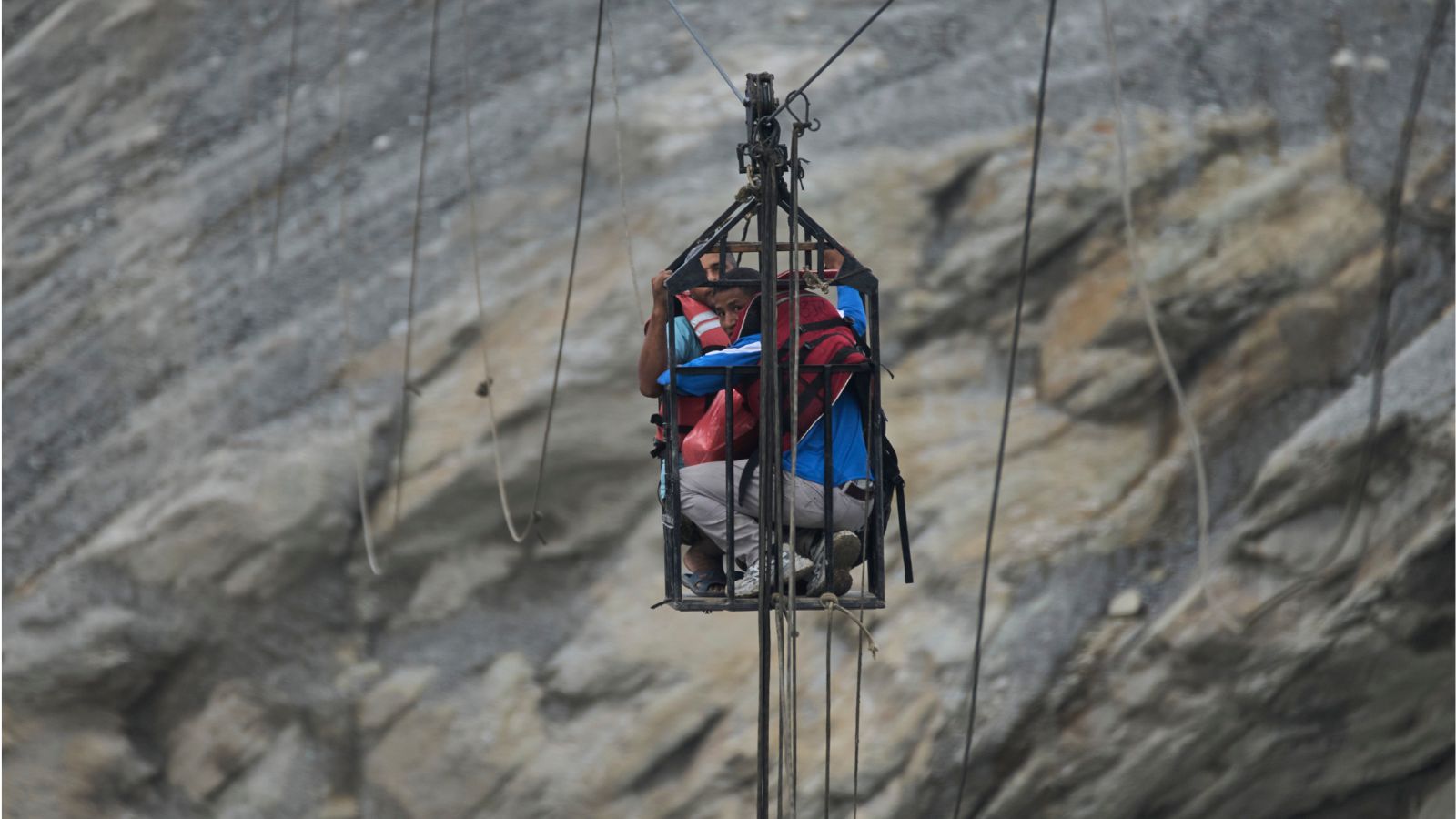
Diplomatic missions must coordinate with local district administration offices in Nepal, which are often overwhelmed and under-resourced during monsoon peaks. Relief operations rely heavily on military helicopters, but heavy cloud cover and sustained rain frequently ground aviation assets. This operational bottleneck explains why families endure days of agonizing silence. It is not necessarily a lack of concern from authorities, but rather the sheer mechanical difficulty of moving through a geography that has temporarily reverted to an impassable wilderness.
The Post-Crisis Reality Check
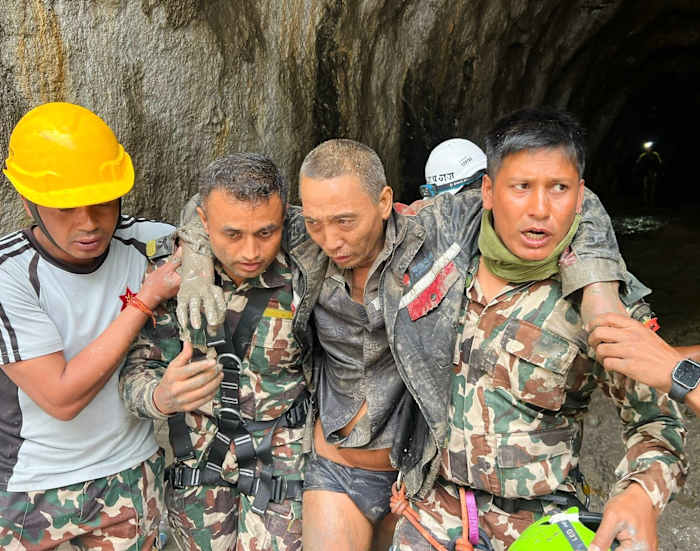
Relief arrives eventually, roads reopen piece by piece, and cellular signals flicker back to life. A message finally delivers: I am safe. The immediate crisis recedes, but the underlying vulnerability remains unaddressed.
Every monsoon season brings a predictable cycle of destruction to the region. Yet, institutional preparedness for cross-border family communication during natural disasters remains an afterthought. Emergency protocols focus heavily on physical rescue, structural reinforcement, and medical triage. They rarely account for the digital panic spreading across international borders among dependents who have no direct line to disaster zones.
As global mobility increases and more citizens live, study, and work across hazard-prone international corridors, emergency response frameworks must evolve to include rapid family-tracking systems. Until embassies and telecom operators build failsafe channels for cross-border status verification during major climate events, families will continue to endure days of quiet terror, waiting for the mountains to give their children back.