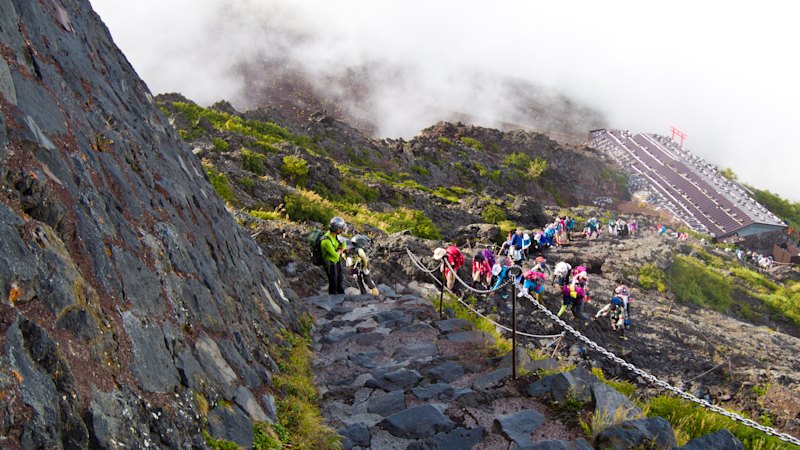
Mount Fuji does not care about your itinerary. At over 3,700 meters, Japan's iconic peak shifts from a manageable hike into a hostile, hypothermic environment in the span of a single weather front. Thousands attempt the climb every season, treating the designated trails like a tourist boardwalk rather than an alpine ascent. Yet, beneath the postcard-ready sunrises lies a darker reality of parental hubris, emergency mismanagement, and the alarming normalisation of extreme recklessness on active volcanic slopes.
When a tourist father left his young son alone on Mount Fuji for eight hours, the incident triggered immediate public outrage across Japanese media. Headlines focused on the abandonment itself. But the deeper institutional failure goes far beyond one terrible parenting choice. It exposes how crowded visitor numbers, lax safety enforcement, and an over-reliance on emergency rescue teams create a culture where people believe they can treat extreme wilderness like an unattended theme park. In other updates, read about: Laos and India are Trying to Fix a Seven Decade Tourist Blindspot.
The Illusion of Safety on Active Volcanoes
Tourist infrastructure creates a dangerous psychological trap. Paved trailheads, vending machines at lower stations, and well-maintained visitor centres lull climbers into a false sense of security. Amateur hikers assume that because a mountain is popular, it is safe. They underestimate altitude sickness, sudden drops in temperature, and the physical toll of high-altitude exertion.
When a parent abandons a child to push forward alone, they are not just committing a crime of neglect. They are exhibiting a symptom of modern tourism culture: the relentless pursuit of personal objectives at the expense of basic survival logic. The mountain does not negotiate. Oxygen levels drop. Weather changes without warning. Leaving a minor behind on a steep, exposed trail for hours is a guaranteed invitation for disaster. Lonely Planet has analyzed this important subject in extensive detail.
Rescue personnel across the Yamanashi and Shizuoka prefectures face an impossible burden. Every year, emergency teams haul unprepared hikers down the mountain—tourists wearing sneakers, carrying no water, or attempting night climbs without proper gear. The father who walked away from his son fits a growing demographic of visitors who view nature as a backdrop for a personal achievement rather than a lethal environment requiring absolute respect.
The Bureaucracy of Mountain Rescues
Japan's alpine authorities operate under immense pressure to keep trails accessible while managing surging visitor numbers. Tourism campaigns draw millions to the region, boosting local economies while straining emergency resources. Prefectural governments hesitate to implement strict bans or heavy-handed enforcement because tourism revenue drives the local economy.
Consequently, safety measures often rely on voluntary compliance. Signage warns climbers about hypothermia and altitude sickness. Pamphlets urge caution. However, voluntary guidelines fail entirely when confronted with entitlement and ignorance. A climber determined to reach the summit will ignore warnings, bypass safety checkpoints, and endanger dependents or fellow hikers.
When things go wrong, the state steps in. Police helicopters scramble. Search and rescue volunteers risk their lives navigating loose volcanic scree and freezing winds. The financial and human cost of these operations is staggering, yet accountability remains minimal. Fines for reckless behaviour are rare, and public shaming rarely deters the next wave of unprepared thrill-seekers.
Shifting Responsibility Back to the Climber
Real reform requires dismantling the illusion that Mount Fuji is an amusement park ride. Authorities must move past polite advisory notices and enforce mandatory gear checks, physical screening, and strict liability laws for those who endanger minors or require preventable rescues. Alpine safety is not a matter of luck; it is a discipline built on preparation and judgment.
Until systemic changes alter how peak access is managed, individual responsibility remains the only line of defense. Mountains demand humility. Those who bring children into high-risk environments without adequate planning are gambling with lives they swore to protect. The next time a climber decides to abandon a dependent on a volcanic slope for the sake of a summit photo, the consequence should not just be a stern police lecture. It should be an immediate, permanent ban from the mountain, accompanied by the full cost of the rescue operation billed directly to the offender.
The summit will still be there tomorrow. The people you leave behind might not be