Silence in a hospital is never peaceful. It is heavy. It smells of dried iodine and cooling metal.
In the pediatric ward of Al-Shifa, before the generators sputtered their final, dying breaths, the soundscape was a relentless symphony of bleeps, hisses, and soft mechanical breathing. Monitors tracked tiny hearts. Pumps fed precise drips of saline into dehydrated veins. Incubators hummed with the manufactured warmth of a mother's womb, keeping premature infants tethered to the fragile edge of life.
Then came the darkness.
Not just the absence of light, but the sudden, catastrophic cessation of function. When fuel runs out, machinery does not whisper its exit; it simply stops. The screens go black. The alarms—designed to scream when danger approaches—fall mute because there is no current left to power their panic.
Dr. Al-Abed stood in that sudden, suffocating dark. He did not run. There was nowhere to run. He reached into his pocket, pulled out the small, flickering beam of a smartphone, and shone it down on a four-month-old girl named Yasmin. Without a working ventilator, Yasmin’s chest had stopped its rhythmic rise and fall. Her mother stood beside the cot, paralyzed by a nightmare that had crossed the threshold from imagination into reality.
There are statistics, and then there is the weight of a child who weighs less than a bag of flour.
For months, the health ministry in Gaza had issued warnings that sounded like distant thunder. Supplies are dwindling. Fuel reserves are at critical lows. The system is on the brink. To the outside world, these phrases became numbing white noise. Bureaucratic announcements. Political footballs.
But behind those sterile bulletins lies a human geography of agonizing choices. Imagine walking through an emergency room where the floors are slick with water because the plumbing burst three weeks ago, and there is no chlorine left to mop. Imagine surgeons operating by the green glow of a dying phone screen, using sewing thread because surgical suture packs ran out during the second week of the siege.
Consider the pharmacist who has worked thirty-six hours straight, rationing the last ten vials of insulin among eighty patients. How do you look a father in the eye and decide whose child gets the medicine that buys them another day, and whose child must be sent home to wait for a miracle that will not arrive?
This is not simply a supply chain failure. It is the systematic dismantling of the architecture of survival.
Medicine is built on a foundation of faith—faith that when a vein is pierced, sterile tools will protect the body; faith that when an infection rages, antibiotics will beat it back; faith that a hospital is a sanctuary, untouchable by the chaos outside its brick walls. When fuel vanishes, that faith evaporates. The hospital ceases to be a healing ground and becomes a holding area for the dying.
Dr. Al-Abed remembers a time before the blockades tightened their iron grip, before the generators became ticking time bombs. He remembers teaching medical students how to read complex electrocardiograms, how to balance electrolyte levels with surgical precision. Now, his curriculum has changed. He teaches residents how to hand-ventilate an infant for six hours straight using a rubber resuscitation bag, trading shifts until their hands cramp into useless claws.
"We are practicing 19th-century medicine in the 21st century," he whispered one evening, his voice hollowed out by exhaustion. "Except in the 19th century, they had clean water and enough bandages."
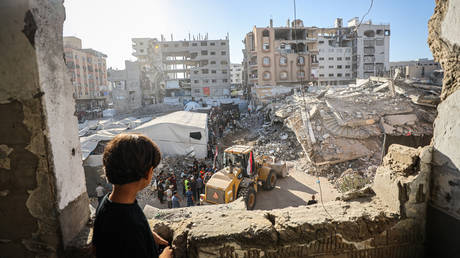
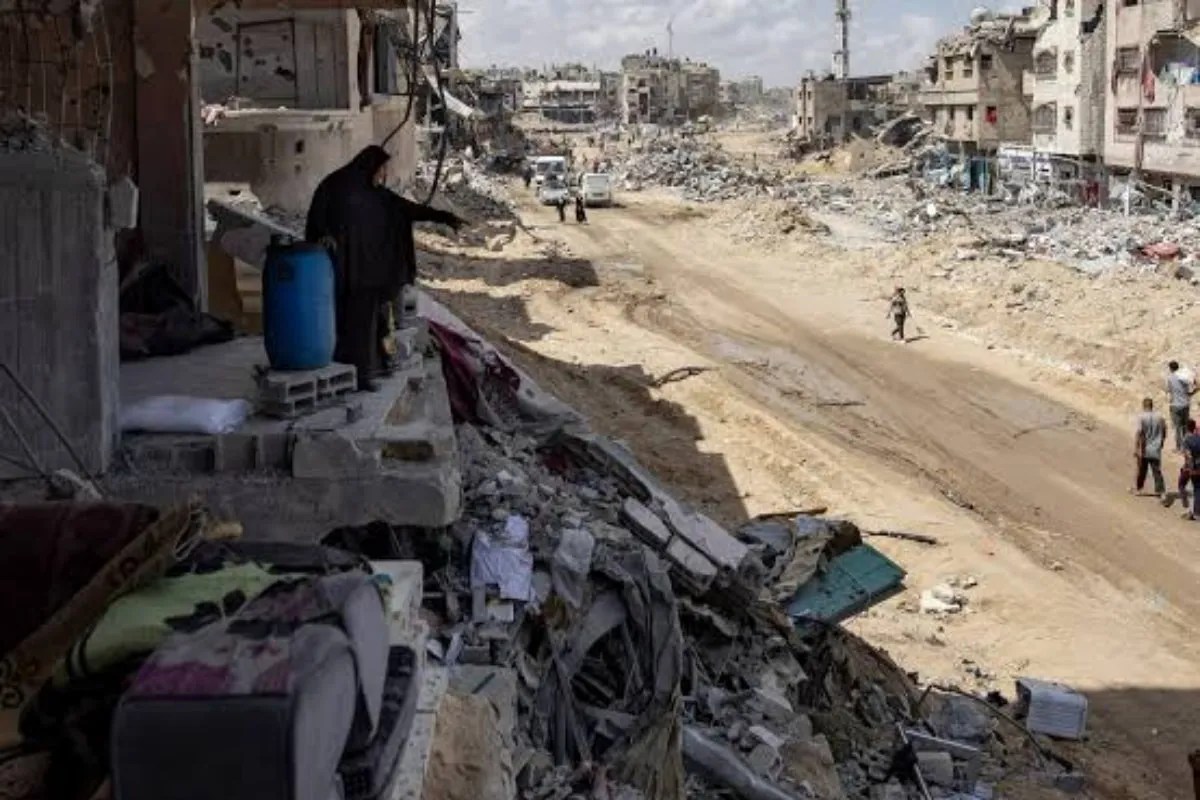
The crisis in Gaza’s health system is a slow-motion catastrophe that defies simple categorization. It is an intersection of geopolitics, logistics, and raw human endurance. International appeals for help—broadcasted by desperate ministries and echoed by humanitarian organizations—often bounce off the walls of diplomatic indifference. Pledges are made. Convoys sit at border crossings, idling their engines while bureaucratic paperwork crawls through administrative mazes. Trucks laden with medicine and diesel sit just miles away from the people whose very lives depend on them, barred by gates of red tape and security protocols.
Meanwhile, inside the wards, the inventory of the impossible shrinks by the hour.
Anesthesia runs dry during emergency amputations, forcing doctors to perform agonizing procedures with patients biting down on rolled gauze, their screams swallowed by the roar of distant explosions. Dialysis patients—whose kidneys long ago surrendered to the chronic stress of displacement and contaminated water—arrive at clinics only to find rows of silent, dead machines. For them, a missed session is not an inconvenience; it is a death sentence written in the creeping toxicity of their own blood.
We must confront what it means to look away from a collapsing medical infrastructure. When a health system fails completely, the ripples do not stop at the hospital gates. Infectious diseases, unchecked by clean water or antibiotics, begin to march through crowded tent camps. Cholera, hepatitis, and respiratory infections weave through populations already weakened by malnutrition and chronic stress. A broken hospital is the spark that ignites an epidemic.
Yet, amidst the ruins of infrastructure, a stubborn, defiant humanity persists.
Nurses walk miles to reach their shifts, bypassing rubble and danger zones, sleeping on cardboard floors beneath desks just to be there when the morning rounds begin. Surgeons wash their hands with bottled drinking water, preserving every precious drop to prevent post-operative infections. Volunteers organize makeshift triage stations on sidewalks, using whatever makeshift tools they can scavenge from the wreckage of bombed-out pharmacies.
They are holding the line against total oblivion with bare hands and broken tools.
The monitors may be dark, and the fuel tanks may be empty, but the fundamental duty of a healer does not switch off with the power grid. As long as there is a breath left to draw, someone in Gaza is bending over a cot in the dark, feeling for a pulse, refusing to let the silence win.
The question is not whether the health system can survive on appeals alone. It cannot. The question is how long the rest of the world can watch the monitors flatline without losing its own pulse.