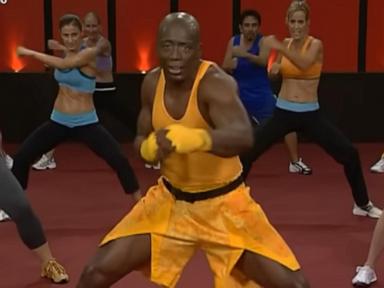
The modern fitness industry is facing a quiet reckoning, forcing millions of consumers to abandon their expensive smart screens and return to a thirty-year-old VHS phenomenon. Tae Bo, the high-energy cardio kickboxing system created by Billy Blanks in the late 1980s that dominated the 1990s, is experiencing an unexpected, massive resurgence. This comeback is not merely a symptom of retro nostalgia. It is a direct response to the financial exhaustion, subscription fatigue, and over-engineered complexity of modern connected fitness platforms that have left consumers broke and burned out.
For nearly a decade, Silicon Valley attempted to convince the public that the only way to get healthy was to purchase a two-thousand-dollar stationary bike or a high-tech wall mirror, both tied to a permanent monthly subscription. But when the economic winds shifted, these companies began to buckle under their own weight. Peloton saw its valuation plummet, gym memberships skyrocketed in price, and consumers realized they were paying monthly fees just for the privilege of sweating in their own living rooms.
Enter the return of the martial arts workout. By stripping away the sensors, the leaderboards, and the costly hardware, people are rediscovering that the most effective workout requires nothing more than a patch of floor and sheer physical effort.
The Golden Era of the VHS Gym
To understand why a workout utilizing basic karate punches and taekwondo kicks is winning again, we must look at how the fitness industry originally lost its way. In the late 1990s, Tae Bo was an absolute juggernaut. It sold more than one hundred million VHS tapes worldwide. It did not achieve this through sophisticated digital marketing or venture capital funding. It grew through infomercials and raw word-of-mouth.
The appeal was remarkably simple. Blanks, a charismatic martial arts champion, stood in a brightly lit studio surrounded by everyday people of all body types. There were no polished influencers with perfect lighting. The production value was low, but the physical intensity was unmatched.
Compare that to the modern workout experience. Today, a typical home workout begins with a software update. You log into an app, calibrate your Bluetooth heart rate monitor, adjust your smart weights, and select a playlist dictated by licensing agreements rather than natural rhythm. The entire experience is mediated by data.
Tae Bo bypassed all of this. It offered a high-intensity interval training session before the term HIIT was popularized by exercise scientists. It combined the anaerobic benefits of martial arts with the cardiovascular endurance of aerobic dance. It was democratic, cheap, and immediately accessible to anyone with a television set.
The Hidden Toll of the Million Dollar Screen
The rise of connected fitness promised a revolution, but it delivered a luxury tax on wellness. When companies began embedding tablets into exercise equipment, they changed the relationship between the user and the workout. You were no longer buying a piece of steel; you were buying a software license.
If you stop paying your monthly digital fee, your expensive smart treadmill often becomes a giant, non-functional clothing rack. This transactional model has created a deep sense of consumer resentment. As inflation pinched household budgets over the last few years, these recurring digital subscriptions were the first line items to get slashed.
At the same time, the psychological toll of quantified self-tracking became apparent. Modern fitness apps treat every movement as a data point to be optimized. If your heart rate does not reach a specific zone, or if your output drops on the leaderboard, the algorithm registers it as a failure.
This hyper-quantified approach stripped the joy out of movement. Tae Bo offers the exact opposite experience. It is sensory, rhythmic, and deeply cathartic. You punch the air to release tension. You kick to build power. There are no metrics tracking your performance, meaning there is no opportunity to feel like you underperformed according to an artificial intelligence engine.
Biomechanics and the Price of Unregulated Movement
The return of Tae Bo is not without its critics, and any honest analysis must examine the physical risks of the program. During its peak in the late 1990s, sports medicine clinics saw a surge in specific types of injuries.
- Hyperextended joints: Punching and kicking empty air without hitting a physical target like a heavy bag makes it very easy to lock out your elbows and knees. This puts immense stress on the ligaments.
- Rotational knee strain: Tae Bo requires rapid pivoting on carpeted floors. If a foot catches while the knee twists, it can lead to meniscus tears.
- Lower back fatigue: The rapid, repetitive kicking motions require a strong core to stabilize the pelvis. Beginners often compensate by arching their lower backs, leading to severe strain.
Modern physical therapists argue that while the cardiovascular benefits of Tae Bo are undeniable, the lack of emphasis on form in the original videos was a major flaw. Billy Blanks was an elite athlete with decades of martial arts training; his body could handle the rapid deceleration of high-impact kicks. The average office worker sitting at a desk for eight hours a day could not.
The current revival, however, is adapting to these lessons. Modern instructors who are reviving these routines are incorporating mobility work, emphasizing joint safety, and teaching participants how to decelerate their limbs before hitting the end range of motion. It is a smarter, safer version of the classic workout, retaining the intensity while discarding the orthopedic hazards.
The Search for Raw Sweat in a Hyper Quantified World
There is a distinct human element that modern digital fitness platforms have struggled to replicate. In a standard online fitness class, the instructor speaks directly to the camera, delivering highly polished, scripted motivation designed to appeal to a broad demographic. It feels sterile.
Watch an old Tae Bo tape, and you immediately notice the chaos. Instructors lose their count. People in the background are visibly exhausted, stumbling over their feet, and drenched in real sweat. Blanks often stops exercising entirely to walk around the room, shouting genuine, unscripted encouragement at individual participants.
This raw, unvarnished energy is what people are craving in a culture saturated with curated social media content. The perfection of modern fitness has made it feel unattainable and tedious. By returning to a simpler era of exercise, consumers are rejecting the idea that wellness must be packaged, measured, and sold back to them in monthly installments. They are realizing that the best workout is the one they will actually do, even if it involves throwing roundhouse kicks in their living room to a pounding 135-BPM soundtrack.