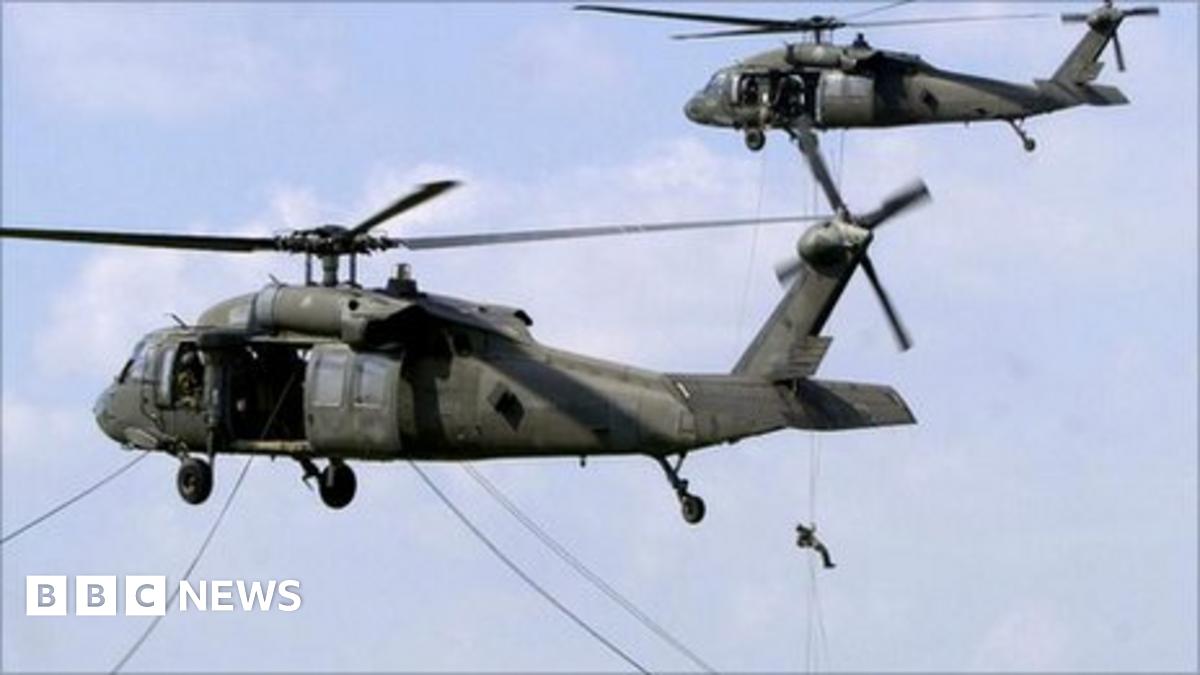
When military forces choose to drop troops from a hovering helicopter directly into an urban or semi-urban environment, it is never a casual exercise. These airborne insertions signal an immediate tactical shift. They bypass checkpoints, avoid known ambush points on roadways, and deliver heavily armed units straight to a contested objective.
If you have been following recent developments in the West Bank, you have likely seen footage of Israeli soldiers rappelling from rotorcraft during high-stakes security operations. But standard news reports often skip the operational reality of why these maneuvers happen, what risks they entail, and how they change the ground dynamics for everyone living in the area.
The Tactical Logic Behind Airborne Insertions
Standard ground incursions rely on armored personnel carriers, military jeeps, and foot patrols moving through alleyways and main thoroughfares. In dense environments like Jenin or Nablus, those convoys face extreme vulnerabilities. Improvised explosive devices hidden beneath asphalt, civilian barricades, and sniper fire from multi-story buildings can turn a routine patrol into a severe bottleneck.
Rappelling from a helicopter solves a specific problem. It achieves total vertical surprise.
When a transport helicopter drops a squad onto a rooftop in the middle of the night, it bypasses the network of early-warning spotters who typically track army jeeps entering a town. By the time local armed factions realize a unit has arrived, the soldiers have already secured a roof, established a perimeter, and begun clearing the building from the top down.
Why Helicopters Are Becoming More Common
Airborne operations used to be reserved for rare, high-value targeting missions. Over the past couple of years, the frequency of these insertions has ticked upward.
Security planners face an increasingly organized network of armed groups in the northern West Bank. These groups have turned certain neighborhoods into fortified zones equipped with roadside charges and communication networks. Ground forces trying to push into these sectors often trigger heavy resistance before reaching their targets.
Using aircraft allows commanders to project force rapidly without exposing entire armored columns to street-level ambushes. It also reduces the duration of certain operations, though it introduces a new set of risks regarding civilian safety and escalation in densely populated quarters.
The Ground Reality for Residents
Living underneath a tactical helicopter operation is a terrifying experience. Rotor wash rattles windows, blinding searchlights sweep across bedrooms, and the sudden drop of soldiers onto residential roofs upends the neighborhood in seconds.
For civilians, these raids bring immediate disruption. Electricity is often cut, movement is frozen, and the sounds of gunfire echo through tight streets where sound travels easily. Local residents do not see a clean tactical maneuver; they see an armed escalation happening right outside their kitchen windows.
Furthermore, these actions feed into a cycle of friction. Each raid deepens local resentment, increases property damage, and often results in casualties on both sides. The psychological impact on children and families living through recurring nighttime airborne raids is severe, creating a baseline of chronic anxiety that does not dissipate when the soldiers leave.
What Strategic Analysts Are Watching
Military analysts track these helicopter deployments as indicators of how deep institutional conflicts are evolving. When an army relies more heavily on vertical envelopment, it means surface transit has become too costly or too dangerous. It shows an adaptation to asymmetric warfare where urban terrain acts as a maze for conventional vehicles.
Yet, air mobility has severe limits. Helicopters are loud, expensive to operate, and vulnerable to heavy machine-gun fire or shoulder-launched munitions if brought too low over hostile territory. Their use is a calculated gamble that the element of surprise will outweigh the immense acoustic and visual signature of the aircraft itself.
Assessing the Broader Security Picture
The wider picture in the West Bank involves a steady accumulation of friction points. Checkpoints choke commerce, frequent raids exhaust local infrastructure, and political horizons remain completely frozen.
Helicopter drops are just the sharpest tip of that spear. They grab headlines because they look dramatic on video, but they represent a symptom of a deeper security stalemate. Until political strategies shift to address the root causes of urban insurgency, tactical adjustments like rooftop insertions will remain a frequent feature of nightly news bulletins, changing little about the underlying trajectory of the conflict.