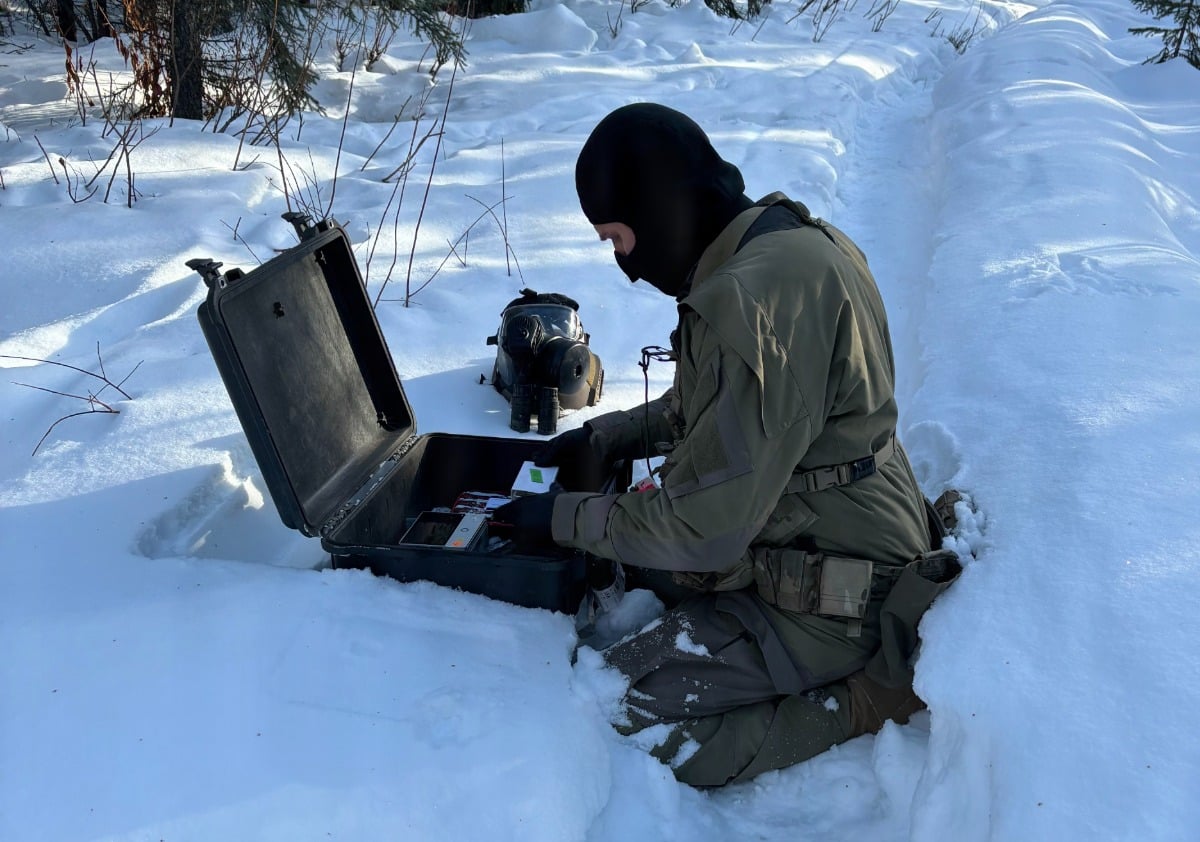
The United States military has quietly deployed portable DNA sequencing tech to tactical environments, allowing troops to analyze genetic material in remote areas like deserts, the Arctic, or vessels at sea. This capability shifts genetic profiling from centralized labs directly to the front lines. The primary objective is immediate identification. Troops can now verify the identity of high-value targets, track localized disease outbreaks, or counter biological threats without waiting days for laboratory backlogs. This operational shift fundamentally changes field intelligence, transforming biological matter into instant, actionable data.
The Push for Tactical Genetic Surveillance
For decades, military forensics followed a rigid, slow pipeline. A patrol collected a biological sample—blood on a steering wheel, a hair strand from a safehouse, saliva on a discarded cup. That sample was bagged, tagged, and flown to a specialized facility, often thousands of miles away.
By the time the lab sequence returned a match, the target had moved. The trail was cold.
The Pentagon wanted to compress this timeline to under an hour. To achieve this, the military adapted commercial off-the-shelf sequencing tech, specifically miniature sequencers that run on a laptop battery. These devices do not read the entire human genome in one sitting. Instead, they target specific genetic markers, such as short tandem repeats or single nucleotide polymorphisms, which serve as biological barcodes.
The immediate benefit is obvious. Field commanders no longer fly blind when capturing a compound or verifying casualties in a remote strike zone. They scan the DNA, match it against a restricted database, and receive a high-confidence confirmation while still on-site.
The Extreme Environment Problem
Lab equipment is notoriously fragile. Standard DNA sequencers require pristine conditions, stable power grids, and climate-controlled rooms to prevent enzyme degradation and optical misalignment.
The field is brutal. The military must operate in the sub-zero humidity of the Arctic, where plastics become brittle and batteries fail. They must deploy in the fine, invasive dust of the desert, which ruins delicate fluidic channels.
To bypass these limits, hardware developers stripped down the sequencing mechanism. Rather than relying on traditional optical sequencing—which uses lasers and cameras to watch fluorescent dyes—tactical units use nanopore sequencing.
This mechanism is simple. It pushes DNA strands through microscopic protein pores embedded in a membrane. As the DNA molecule passes through the pore, it disrupts an electrical current. Every genetic base creates a unique electrical signature. A sensor reads these disruptions directly, converting the physical change into digital data without a single lens or moving mirror.
Ruggedized casings protect the core electronics from moisture and shock. Freeze-dried reagents eliminate the need for a continuous cold chain, allowing squads to carry extraction kits in standard rucksacks for months without spoiling.
Logistics Outpaces Legal Frameworks
The technology works, but the policy framework lagging behind it presents a severe liability. Forward-deployed DNA sequencing creates an unprecedented volume of biometric data collected outside traditional chains of custody.
When a laboratory processes evidence, every step is logged. Strict protocols govern who touches the data, where it is stored, and when it must be destroyed. In a mud-brick hut or a rolling naval vessel, those clean lines blur. A technician operating under sleep deprivation might mislabel a file or upload a sequence to an insecure local network.
Furthermore, international law is deeply uncomfortable with battlefield genetic harvesting. The collection of DNA from non-combatants, detatinees, or foreign citizens in sovereign territories occupies a legal gray zone. While fingerprints and facial recognition are widely accepted as standard identification metrics, genetic material holds deeply personal information, including familial lineages and medical predispositions.
The Pentagon insists its focus is strictly identification and biodefense. Yet, the existence of a highly mobile, distributed network of genetic scanners creates a permanent temptation for mission creep.
The Threat of Countermeasures
Biometrics are not infallible. The moment a fingerprint scanner is introduced, adversaries find ways to spoof it. The digitization of battlefield DNA is no different.
Genetic spoofing is a verified vulnerability. If a hostile actor understands the specific markers a tactical sequencer looks for, they can plant synthetic DNA or biological decoys to mislead investigators. A clean site can be made to look like a weapons lab; a high-value target can appear to have died in a strike when they actually escaped.
Moreover, the dependence on local databases means these field units require constant, encrypted data syncs. A sophisticated adversary does not need to break the ruggedized sequencer itself. They only need to jam the satellite uplink or corrupt the reference database. A field sequencer without an accurate reference library is nothing more than an expensive paperweight.
The Long-Term Operational Shift
This technology will not remain exclusive to elite special operations units or specialized biodefense teams. The long-term plan involves integrating basic biological scanning into standard infantry kit.
As these tools become cheaper and more automated, the barrier to entry drops. Future squads may routinely swab surfaces during a standard patrol to build a genetic map of a village, tracking who enters and leaves specific buildings over time. This creates a persistent, invisible dragnet.
The challenge is no longer the engineering required to read DNA in a blizzard or a sandstorm. The hardware has proven it can survive the elements. The real trial lies in managing the massive influx of highly sensitive biological data without compromising operational security or violating international norms. The military now possesses the ability to read the genetic code of the battlefield in real time, and they must live with the chaotic intelligence landscape that capability creates.