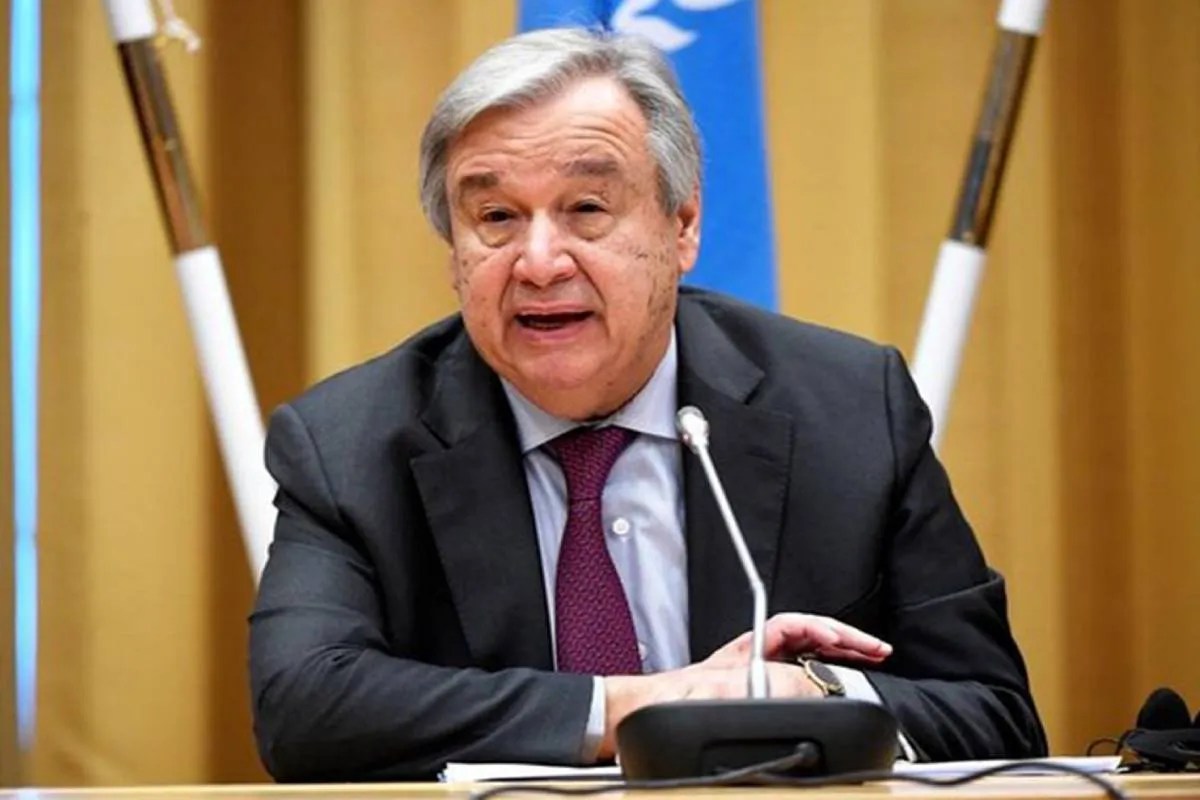
The Middle East is teetering on the edge of an absolute catastrophe, and honestly, the traditional diplomatic playbook isn't working anymore. UN Secretary-General António Guterres just issued another blunt, urgent warning about the renewed escalation in West Asia. He isn't just expressing standard diplomatic concern this time. The UN chief is practically screaming that there is no military solution to this multi-front disaster.
If you think this is just another cyclical geopolitical skirmish confined to distant borders, you're missing the bigger picture. We aren't looking at localized friction anymore. The current flashpoints across Lebanon, Iran, and Gaza are rapidly fusing into a single, massive regional war. When a crisis involves direct US military engagements, Iranian missile strikes hitting international airports, and threats to shut down global trade chokepoints, it becomes everyone's problem.
The Boiling Point in West Asia
The situation on the ground has turned incredibly volatile over the last few days. Guterres called on all parties to immediately halt attacks and show maximum restraint. Specifically, the UN is demanding that everyone stick to the fragile ceasefires in Lebanon, Iran, and Gaza. But things are moving backward.
Israel’s recent decision to close critical crossings into Gaza has choked off the rapid, safe passage of humanitarian aid. Guterres is demanding these gates reopen immediately. Simultaneously, the conflict has bled heavily into the Persian Gulf. A recent drone and missile strike targeted Kuwait International Airport, killing a civilian and wounding several others. This wasn't a hidden military compound. It was a bustling civilian hub. This tells you exactly how messy and unpredictable this conflict has become.
Freedom of Navigation is Under Siege
The crisis has moved way beyond land borders and deep into critical global shipping lanes. The UN chief explicitly underscored that navigational rights and freedoms must be respected under international law. Here is what is actually at stake:
- The Strait of Hormuz: Iran has dropped heavy hints about completely shutting down this narrow waterway. If that happens, a huge chunk of the world's daily oil supply gets locked away.
- The Supply Chain Shock: Guterres previously noted that when the Strait of Hormuz is strangled, the world’s most vulnerable societies cannot breathe. Energy imports will skyrocket in cost, driving up inflation globally.
- Civilian Infrastructure Risks: From airports in Kuwait to fuel depots and diplomatic missions across the Gulf Cooperation Council (GCC) states, civilian infrastructure is actively being dragged into the crosshairs.
The Trump Factor and the Illusion of Total Victory
While the UN pushes for urgent dialogue and backroom negotiations, the political rhetoric from Washington is taking a radically different tone. US President Donald Trump recently asserted that the United States will achieve total victory over Iran within a fortnight. He expressed immense confidence that a fresh nuclear deal is right around the corner, claiming Tehran is ready to capitulate to major strategic demands to avoid a wider war.
Is that realistic or just political posturing? The reality is far more complicated.
While the White House projects an imminent breakthrough to settle global energy markets before the domestic midterm elections, the ground reality shows a precarious balancing act. US officials have privately hinted that Washington might tolerate minor, sporadic skirmishes for months just to avoid triggering a full-scale regional war. This gap between aggressive public rhetoric and cautious private reality shows just how dangerous the situation is. One miscalculation or one strike that kills the wrong target could shatter the fragile ceasefires instantly.
The Massive Human Cost Beyond the Headlines
We often get lost in the political chess match and forget the staggering human toll. The UN Children's Fund (UNICEF) recently highlighted the sheer terror gripping communities in Lebanon. Following evacuation orders, roughly 200,000 people were displaced from the southern suburbs of Beirut alone in a matter of days.
An estimated 770,000 children in Lebanon are currently experiencing severe trauma from constant exposure to violence, displacements, and airstrikes. They are dealing with regular nightmares, sleeplessness, and deep anxiety. Meanwhile, the UN World Food Programme warned that the economic fallout from this West Asia crisis could plunge up to 45 million people into severe food insecurity globally.
The Indian Subcontinent's Hidden Crisis
This conflict hits incredibly close to home for South Asia. There are roughly 9 million Indian nationals living and working across West Asia and the Gulf countries.
When a drone hit Kuwait International Airport, an Indian citizen was killed and several others were wounded. This forced New Delhi to issue strong condemnations and look closely at emergency evacuation plans. But honestly, evacuating millions of people from a live war zone is practically impossible. Diplomatic missions are telling citizens to shelter in place, but as civilian hubs get targeted, staying put doesn't feel safe either.
Why a Military Solution is a Total Myth
The core of Guterres’s warning is simple: nobody wins a total war in the Middle East. The idea that any side can achieve a clean, decisive military victory is a complete illusion. The networks of state actors, non-state militias, and international superpowers are too deeply intertwined.
If the current ceasefires collapse entirely, the conflict will quickly draw in broader global coalitions. We are already seeing diplomatic fractures widen, with major European nations openly disagreeing with unilateral US military actions in the region.
The only realistic way out of this nightmare is through rigorous, unyielding diplomatic engagement. Guterres is pushing world leaders to use their collective political weight to force a return to the negotiating table.
If you want to understand where this crisis goes next, keep your eyes on the shipping lanes and the status of the Gaza crossings. Don't look at the military bravado on television. Watch the backchannel diplomacy between Washington, Tehran, and regional intermediaries. That is where the real answers lie.
For ordinary citizens and global businesses, the immediate priority is preparing for volatile energy markets and potential supply chain disruptions. Diversify your dependencies now, because the stability we took for granted in global trade is looking incredibly thin.