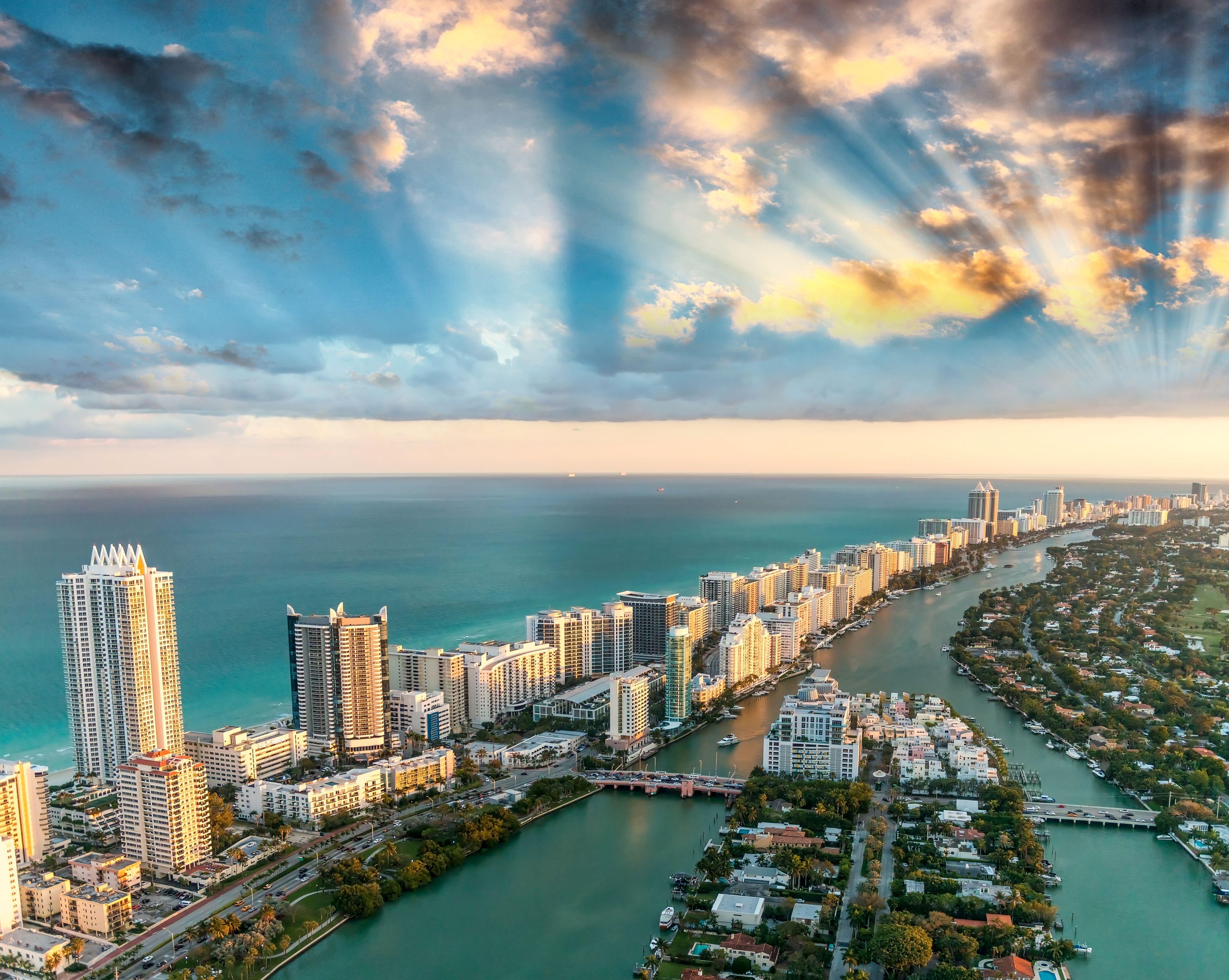
The diplomatic machinery of Washington is spinning a familiar, hazardous yarn. Secretary of State Marco Rubio’s confirmation that the White House has officially extended an invitation to Russian President Vladimir Putin for the upcoming G20 leaders' summit in Miami is being sold as pragmatic statecraft. The administration frames the move through a lens of raw necessity. In the view of Foggy Bottom, talking to adversaries is not an endorsement; it is the fundamental obligation of a superpower attempting to halt a grinding European war.
Yet beneath the veneer of diplomatic realism lies a profound miscalculation. Bringing a heavily sanctioned autocrat facing international arrest warrants into the heart of Florida for a high-stakes photo op does not bring peace any closer. Instead, it offers Moscow a propaganda victory while exposing the deep, unbridgeable fractures within the Western alliance. For a closer look into similar topics, we suggest: this related article.
For months, the diplomatic circuit has chased the chimera of a negotiated settlement in Ukraine. Rubio himself has openly admitted that no such breakthrough is imminent, conceding that the warring parties are far from a mutually acceptable compromise. If the Secretary of State knows the baseline conditions for a durable peace simply do not exist, the rationale for staging a red-carpet summit with the Kremlin shifts from functional negotiation to pure political theater.
Summit diplomacy has a long history of serving domestic political optics rather than resolving structural security crises. When leaders gather under the bright lights of Miami, the visual of American and Russian officials conferring in a bilateral setting will beam across global television networks. Moscow understands how to weaponize these images. To the Russian domestic audience and the broader Global South, a presidential summons to U.S. soil validates the Kremlin's narrative that Washington ultimately respects strength, bypasses European allies, and treats Russia as an equal co-arbiter of international order. To get more information on this issue, detailed reporting is available on Reuters.
This dynamic was on stark display during recent ministerial gatherings where the mere presence of Russian Foreign Minister Sergey Lavrov upended proceedings. European delegations balked, traditional group photographs were scrapped, and the resulting communiques dissolved into procedural gridlock. Scaling that friction up to a presidential summit in December guarantees that the focus will pivot away from the existential defense of Ukraine and toward the procedural circus of whether Putin will deign to show up, whom he will talk to, and what concessions he might demand just to grace the room.
The administration defends the outreach by pointing to the realities of nuclear deterrence and communication channels. The logic states that great powers must maintain open phone lines and direct dialogue to prevent catastrophic miscalculations. That principle is sound in theory. During the Cold War, institutionalized arms control talks served a distinct purpose because both sides operated within a shared framework of strategic stability.
The current environment bears little resemblance to those bygone eras. Moscow's strategic objective in Ukraine remains total subjugation, pursued through a war of attrition designed to outlast Western political will. Russian leadership has signaled repeatedly that it will not pause military operations simply because diplomats are scheduling meetings in Florida. When an aggressor state views dialogue as a tactical pause to replenish depleted arsenals rather than a path to genuine compromise, sitting across a negotiation table becomes an exercise in self-delusion.
Compounding the problem is the awkward positioning of Kyiv. Ukrainian leadership finds itself pushed into a corner by a process designed in Washington and driven by domestic American electoral timetables. While President Volodymyr Zelenskyy has indicated a willingness to attend summits if substantive results are guaranteed, the prospect of being ambushed into a premature territorial compromise under heavy U.S. pressure is a nightmare scenario for European security architects.
By dangling a Miami summit without securing prior, verifiable commitments from Moscow, Washington risks repeating the historical errors of appeasement-driven summitry. Dictators do not moderate their behavior because they are invited to luxury resorts; they interpret such gestures as proof that time is on their side and that Western resolve is fraying at the edges.
The brutal truth of the current geopolitical landscape is that wars of this magnitude end either through total exhaustion on the battlefield or through ironclad security architectures backed by credible, coercive power. Smiling for cameras in Florida changes none of the underlying math of artillery shells, supply lines, or national survival. Until Washington matches its rhetorical desire for talks with a hardheaded refusal to reward aggression with diplomatic normalization, the Miami G20 risks becoming less a venue for peace and more a monument to wishful thinking.


