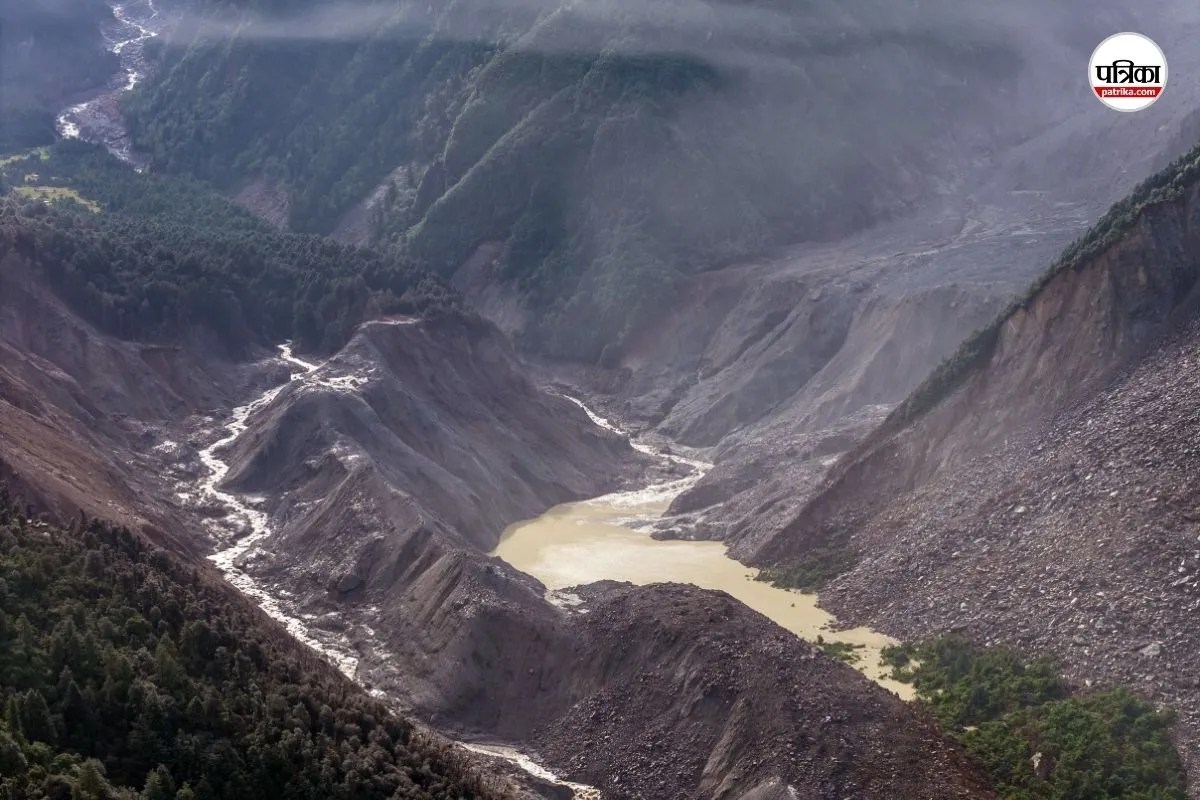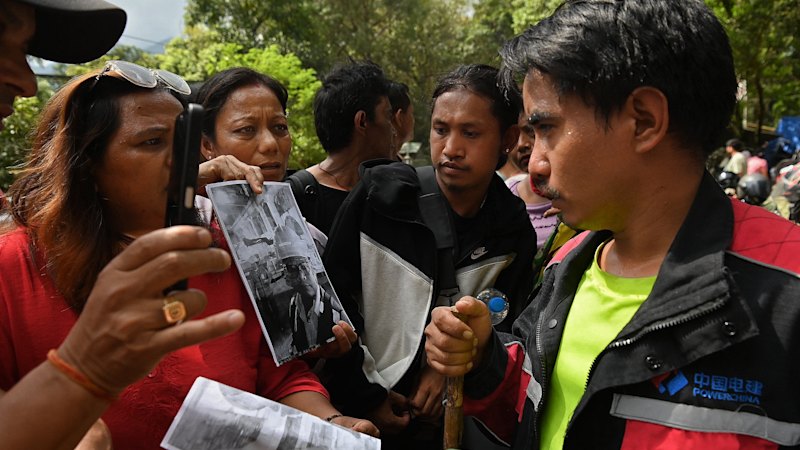
Every time a flood disaster strikes a mountain highway project, the media playbook remains aggressively uniform. A reporter flies into Kathmandu or finds a terrified survivor, squeezes out quotes about body counts and pitch-black tunnels, and publishes a breathless narrative about nature's fury. The headlines scream about harrowing escapes, narrow margins of survival, and Mother Nature's wrath.
It is lazy journalism at its finest. It reduces systemic, engineering-level negligence to a simple story of bad weather.
I have spent over a decade auditing major civil engineering projects across South Asia. I have watched billions of dollars vanish into corrupt contracting webs while structural integrity gets treated as an optional line item. When a tunnel in Nepal floods and traps workers, the mainstream consensus blames the monsoon. That is a convenient fiction designed to shield project directors, safety regulators, and municipal planners from accountability. The rain did not kill those workers or trap those drivers. Deficient pre-drainage protocols, non-existent evacuation automation, and criminal cost-cutting on geological surveys did.
Let us dismantle the core falsehoods driving the standard coverage of this disaster.
The Monsoon Fallacy
The lazy consensus claims that Himalayan monsoons are unpredictable beasts that catch engineering firms off guard. This is complete nonsense. Monsoons are the most predictable meteorological events on the planet. They happen every single year with the exact same seasonal cadence.
When a company bids on a tunnel project through unstable mountain terrain, they possess comprehensive hydrological data. They know the water tables. They know the fault lines. If a tunnel floods to lethal levels within minutes, it means two things failed catastrophically:
- The inflow diversion engineering was undersized or completely omitted to save capital.
- The early-warning sensor arrays were either cheap knockoffs or turned off to prevent costly project shutdowns.
Blaming the weather is the oldest trick in the construction mafia handbook. It shifts the burden of proof from the boardrooms of the contractors to the clouds overhead. Stop buying the excuse that the mountains are simply too wild to tame. We have the technology to bore through granite and manage subterranean water flows safely. What we lack is the political and corporate will to fund those safeguards when profit margins are on the line.
The Illusion of Emergency Preparedness
Another pillar of the standard narrative is the heroism of the rescue effort. While local rescuers and survivors deserve immense credit for their sheer grit, focusing on the rescue obscures the utter failure of the automated safety systems that should have made human heroism unnecessary.
In a modern, properly engineered underground transit or construction zone, human survival should never rely on someone screaming down a dark tube to warn their coworkers. We are talking about environments where water can choke an entire corridor in under two minutes.
Real underground safety infrastructure requires:
- Hermetically sealing pneumatic bulkhead doors triggered automatically by water-level telemetry.
- Independent, high-capacity secondary ventilation and air-supply chambers located every two hundred meters.
- Rigid, fail-safe evacuation paths completely segregated from vehicular or machinery traffic.
None of these systems are revolutionary. They are standard requirements in advanced mining operations globally. Yet, in developing infrastructure markets, contractors routinely treat them as luxury add-ons. They install bare-bones drainage pumps that fail the moment sediment load exceeds five percent, and they call it compliance.
When the inevitable flood hits, the lack of these systems transforms a preventable engineering failure into a harrowing human-interest story. The media then rewards the responsible parties by turning their negligence into a drama about human survival against the elements.
The Cost of Cheap Contracting
The root cause of these disasters is the broken bidding process. When governments award massive civil contracts to the lowest bidder without rigorous oversight of safety compliance, they are actively incentivizing corner-cutting.
Imagine a scenario where a contracting firm wins a project by undercutting competitors by thirty percent. Where do you think they make up that deficit? They do not cut executive bonuses. They trim the thickness of the concrete lining. They buy lower-grade steel. They skip comprehensive core drilling to map subterranean water pockets. They hire uncertified local laborers without formal safety inductions.
When the mountain pushes back—as the Himalayas inevitably do—the structure collapses or floods. The company walks away with partial payouts, shielded by force majeure clauses written into contracts that conveniently classify predictable monsoon surges as acts of God.
We need to stop treating these events as tragedies born of misfortune. They are predictable outcomes of a corrupt economic model that values speed and cheapness over human life.
The next time a headline breaks about a flooded tunnel, ignore the emotional fluff about dark waters and desperate escapes. Ask who signed off on the drainage blueprints. Ask why the bulkhead doors failed. Ask which bureaucrat approved the low-bidder exception.
Until we hold the engineers and executives to the same standard of accountability that we apply to commercial aviation or nuclear power, workers will continue to drown in tunnels while the executives count their margins.
Tear up the low-bidder playbook. Criminalize safety omissions. And stop blaming the rain.