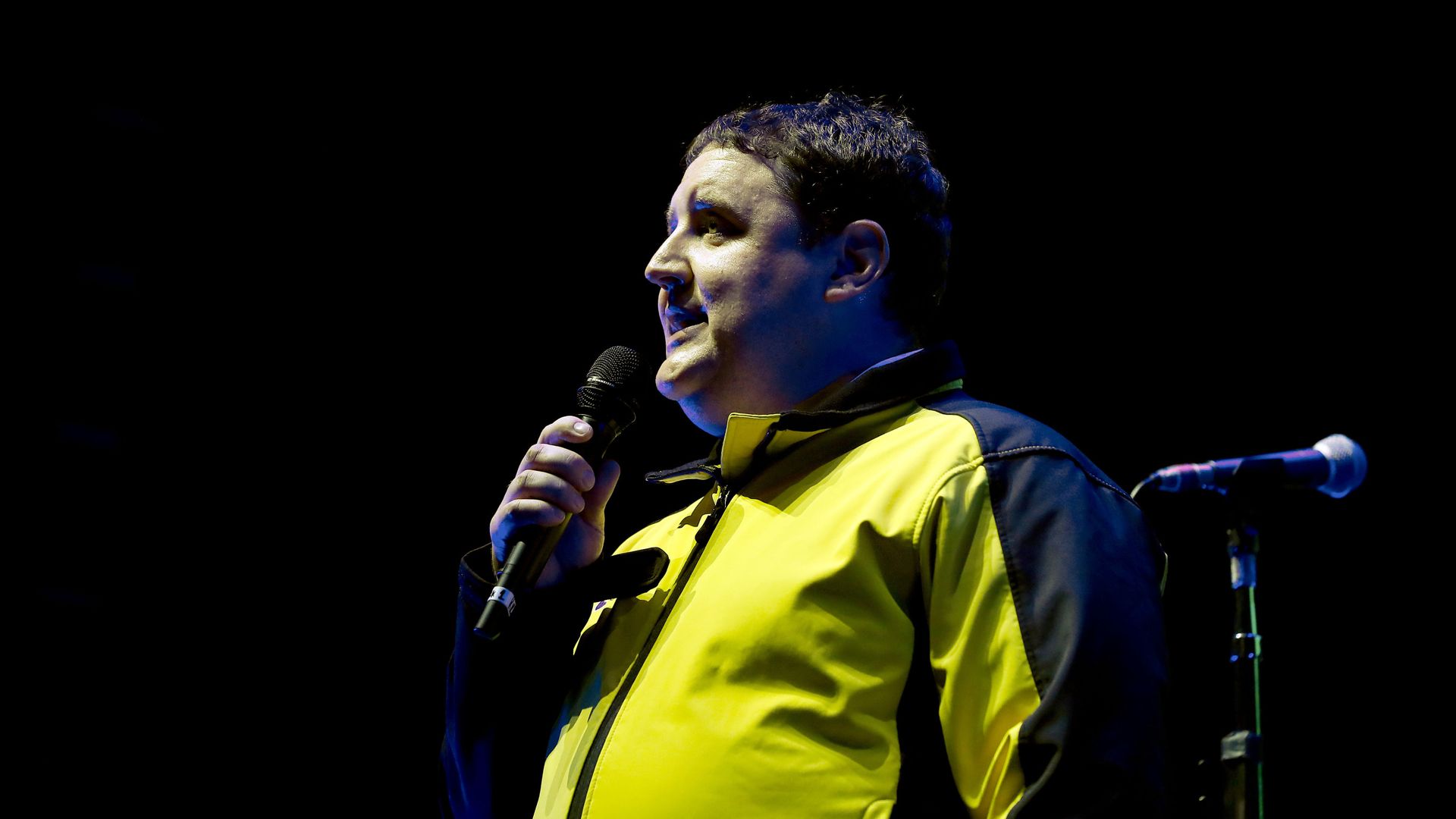
The removal of a defendant from a court proceeding following a bomb hoax threat against a Peter Kay performance is not merely a localized security incident; it is a structural failure of the judicial process to manage high-variance behavioral risks. When a defendant’s outbursts necessitate their physical removal, the legal system faces a fundamental trade-off between the constitutional right to a public trial and the operational necessity of maintaining order. This specific case, involving a high-profile cultural event, amplifies the social and economic externalities of hoax-related threats, highlighting a vulnerability in how the judiciary handles defendants who weaponize their presence to stall or derail proceedings.
The Taxonomy of Judicial Interference
Judicial interference in cases involving public threats functions across three distinct layers of disruption. Each layer imposes a unique cost on the state and the victims.
- The Behavioral Layer: This involves the immediate, physical outbursts within the courtroom. These actions force the judge to choose between continuing with a compromised record or pausing the trial, thereby extending the duration of the legal process.
- The Procedural Layer: Removal of a defendant triggers complex legal safeguards. The court must ensure that the defendant can still follow the proceedings—often via video link—to avoid a mistrial. Any failure in this technical handover creates a procedural bottleneck that the defense can later exploit during an appeal.
- The Societal Layer: In the context of a bomb hoax targeting a mass-gathering event like a Peter Kay show, the disruption extends beyond the courtroom. It reinforces the psychological impact of the original threat, effectively granting the perpetrator a secondary platform to exert influence over public consciousness.
The Economic and Operational Cost Function of Hoax Threats
A bomb hoax is often dismissed as a "victimless" crime when compared to an actual detonation, yet the economic cost function is immense. The calculus of such a threat involves the immediate mobilization of emergency services, the loss of revenue for the venue, and the subsequent legal overhead.
In the case of large-scale entertainment tours, the "Security Premium" is a fixed cost that rises sharply following a credible—or even non-credible—threat. The mathematical reality of venue security is that it must be right 100% of the time, while the hoaxer only needs to be perceived as right once. This asymmetry creates an "Insecurity Loop" where the state is forced to over-invest in reactive measures, such as court-mandated psychiatric evaluations and heightened bailiff presence, which drains resources from other parts of the criminal justice system.
Resource Allocation Bottlenecks
- Evacuation Delta: The time between a threat being received and the full sweep of a 10,000-plus seat arena.
- Opportunity Cost of Judicial Time: Every hour a trial is delayed by an outburst is an hour lost for other cases in a backlogged system.
- Media Multiplier: High-profile names like Peter Kay act as a force multiplier for the hoaxer’s intent, turning a local criminal act into a national news event, which can incentivize copycat behavior.
The Psychology of the Courtroom Outburst
The removal of a suspect for shouting in court is a tactical response to a psychological strategy. For certain defendants, the courtroom is not a place of adjudication but a stage for "Performative Defiance." This behavior serves two primary functions.
First, it asserts a perceived power over a system that has otherwise stripped the individual of their agency. By forcing the judge to order a removal, the defendant dictates the tempo of the hearing. Second, it creates a "Chaos Shield." By behaving erratically, the defendant may be attempting to signal a lack of fitness to plead, potentially forcing the court into a lengthy detour of mental health assessments that delay a final verdict.
The court's challenge lies in distinguishing between genuine psychological distress and calculated obstructionism. The legal framework of "Contempt of Court" is the primary deterrent, but its efficacy is limited when the defendant is already facing significant custodial sentences for the underlying offense.
Structural Vulnerabilities in Public Safety Management
The Peter Kay bomb hoax case exposes a broader vulnerability in the management of public safety at high-density events. The "Hoax-Response Paradox" states that the more seriously a threat is taken, the more successful the hoaxer is in achieving their goal of disruption. However, any reduction in response intensity risks catastrophic failure if a threat proves genuine.
To mitigate this, the legal and security sectors must shift from reactive to predictive modeling. This involves:
- Threat Credibility Scoring: Implementing standardized rubrics to differentiate between "low-effort" digital threats and "high-effort" logistical threats.
- Defendant Behavioral Profiling: Using pre-trial risk assessments to anticipate courtroom disruptions and preparing video-link infrastructure as a default rather than an emergency backup.
- Externalities Taxing: Exploring civil litigation avenues where the state or private entities can recover the specific costs of evacuation and policing from the assets of those convicted of hoaxes.
Theoretical Constraints of the Video Link Solution
While removing a defendant to a video-link room is the standard remedy for outbursts, it is not a perfect solution. The "Degraded Presence" effect suggests that a defendant viewed on a screen is perceived differently by a jury than one physically present. This introduces a subtle bias into the trial. Furthermore, the defendant's ability to consult with their legal counsel in real-time is hindered, creating potential grounds for a breach of the right to a fair trial under Article 6 of the European Convention on Human Rights.
The court must balance the integrity of the physical space with these technological compromises. When a judge orders a removal, they are making a high-stakes decision that prioritizes the "Continuity of Law" over the "Totality of Presence."
Strategic Imperatives for Judicial Reform
The current trajectory of courtroom management in high-profile hoax cases requires a shift toward a more robust, non-negotiable procedural framework.
- Mandatory Remote Pre-Screening: In cases involving high public interest or documented behavioral volatility, the initial phases of the hearing should be conducted via remote link by default to establish a behavioral baseline before physical presence is granted.
- Harmonized Sentencing for Hoaxes: To reduce the incentive for "Attention-Seeking Hoaxes," sentencing must reflect the economic and psychological scale of the disruption rather than just the intent.
- Real-Time Behavioral Analytics: Integration of court staff training that focuses on de-escalation protocols designed specifically for the unique environment of a trial, where traditional policing tactics may be viewed as prejudicial.
The judicial system cannot afford to be reactive to the whims of those it seeks to prosecute. The removal of a suspect from court is a sign that the individual has successfully seized control of the room, if only for a moment. To regain that control, the judiciary must move beyond the "Ad-Hoc Removal" model and toward a pre-emptive, technology-integrated environment where disruption is structurally impossible rather than merely punishable. The goal is to ensure that the legal process remains an unstoppable engine of adjudication, regardless of the defendant's attempts to create friction.
The most effective counter-measure to judicial disruption is the removal of the audience that the disrupter seeks to influence. By transitioning volatile proceedings to a controlled, multi-modal format, the state devalues the "Performance" and returns the focus to the "Evidence," effectively neutralizing the perpetrator's last remaining tool of influence.


