Administrative agencies possess only the power explicitly granted to them by statutory text. When the executive branch attempts to reshape policy by choking the operational pipelines of these agencies, it creates an immediate conflict with established administrative law. This friction underpins the decision by Chief U.S. District Judge John McConnell Jr. in Dorcas International Institute of Rhode Island v. USCIS, which invalidated a Department of Homeland Security policy freezing the processing of immigration benefits for applicants from 39 countries.
The struck-down policy operated not through formal denial, but through deliberate operational paralysis. Following a 2025 shooting involving an Afghan national, U.S. Citizenship and Immigration Services instituted an indefinite freeze on final adjudications for asylum, employment authorization documents, lawful permanent residency, and naturalization applications for nationals of specified African, Asian, Latin American, and Middle Eastern countries. By examining the structural failure of this policy under the Administrative Procedure Act, we can map the exact boundary where executive national security claims collide with congressional mandate.
The Tripartite Framework of Administrative Compliance
The federal government defended its adjudication freeze by citing the broad, inherent authority of the executive branch to manage foreign affairs and control alien entry under the Immigration and Nationality Act. The court rejected this defense by applying a rigid tripartite standard of agency compliance, highlighting three structural errors in the agency's execution.
       [Congressional Statute (INA)]
                     │
         ┌───────────┴───────────┐
         ▼                       ▼
┌─────────────────┐     ┌─────────────────┐
│ Executive Fiat  │     │   USCIS Duty    │
│ (Policy Freeze) │     │ (Adjudication)  │
└────────┬────────┘     └────────┬────────┘
         │                       │
         └───────────┬───────────┘
                     ▼
       [Administrative Friction]
                     │
                     ▼
       [Judicial Invalidation (APA)]
Statutory Exceedance
USCIS operates as a service-oriented adjudication body, distinct from border enforcement mechanisms. Congress explicitly mandated the agency to process and decide upon applications submitted via lawful pathways. By implementing a categorical freeze based on national origin, the agency claimed an implied authority to suspend congressional statutes by administrative fiat. The executive branch cannot use internal guidance to overwrite a clear statutory directive to process applications.
The Arbitrary and Capricious Standard
Under the Administrative Procedure Act, any significant shift in agency policy requires a reasoned explanation supported by an administrative record. The agency justified its freeze using generalized national security concerns tied to a specific localized incident. The administrative record failed to demonstrate a rational connection between the security risks posed by an individual and the total suspension of benefits for hundreds of thousands of applicants from 39 diverse nations. This logical disconnect rendered the policy legally arbitrary.
Failure to Account for Reliance Interests
When an agency alters its operational stance, it must weigh the disruption caused to individuals who have structured their lives around existing rules. The affected applicants had paid filing fees, passed initial background checks, and maintained lawful status within the United States. The sudden freeze stripped individuals of work authorizations and stuck them in an indefinite backlog. The agency's failure to assess or mitigate these reliance interests constituted a fatal procedural flaw.
Categorical Breakdown of Affected Pipelines
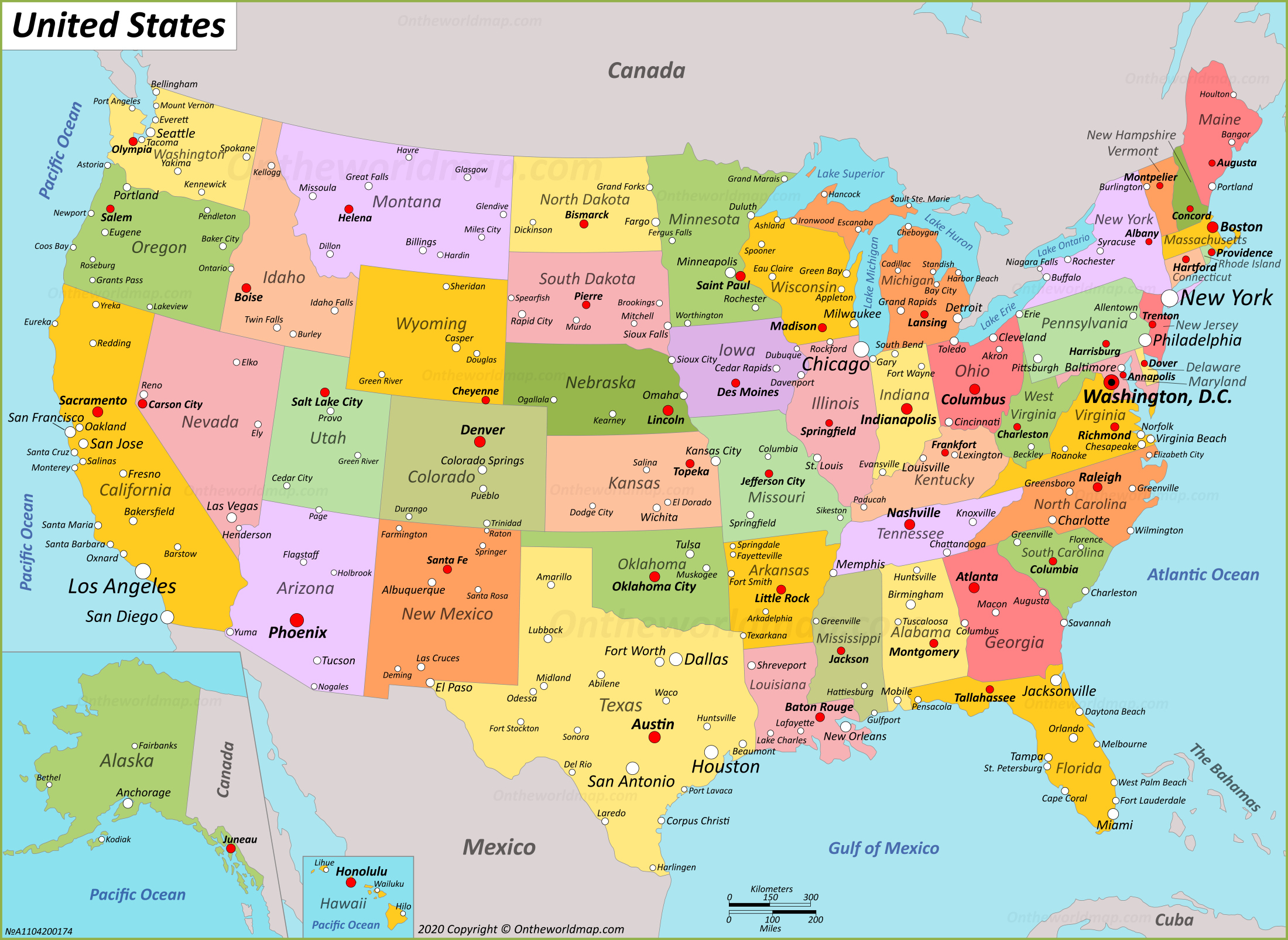
The policy did not impact border enforcement or cases handled by Executive Office for Immigration Review immigration judges. Instead, it targeted the internal, affirmative application queues managed solely by USCIS. The operational freeze fractured into two tiers across 39 countries, causing distinct bottlenecks across four major categories of immigration benefits.
The Two-Tiered Country Matrix
- Full Adjudication Suspension (19 Countries): This tier halted all final decisions for nationals from countries including Afghanistan, Syria, Yemen, Somalia, Sudan, and Haiti. No mechanism existed to bypass the hold, regardless of the merits of an individual case.
- Partial Adjudication Suspension (20 Countries): This tier subjected applicants from nations such as Nigeria, Venezuela, Cuba, and Angola to secondary, ill-defined vetting layers that effectively extended processing timelines indefinitely, functioning as a de facto freeze.
Vulnerabilities Across the Four Benefit Pipelines
| Benefit Type | Operational Impact of Freeze | Systemic Consequence |
|---|---|---|
| Affirmative Asylum | Processing stopped for applicants already present inside the U.S. | Applicants remained unable to resolve underlying legal status, swelling the existing affirmative backlog. |
| Employment Authorization | Renewal applications for work permits held indefinitely. | Lawful residents lost employment eligibility, forcing them out of the formal labor market and causing immediate economic disruption to employers. |
| Adjustment of Status | Permanent residency green card approvals frozen. | Applicants could not travel abroad or secure stable legal status, disrupting corporate workforce planning and family stabilization. |
| Naturalization | Canceled citizenship interviews and final oath ceremonies. | Legal permanent residents who had completed all statutory requirements were blocked from achieving full civic integration and voting rights. |
The Mechanics of De Facto Denials
The executive strategy relied on an operational loophole: by refraining from issuing formal denials, the agency attempted to evade judicial review. A formal denial generates a paper trail and a clear path to appeal. An indefinite administrative hold, by contrast, keeps the application technically pending while withholding the benefit.
This operational maneuver creates a severe bottleneck. The agency's core defense rested on the premise that internal policy guidance provides necessary guardrails for personnel. The court exposed this as a pretext for national-origin discrimination. Because the freeze was tied to the happenstance of birth rather than individual conduct or specific, triable security red flags, it weaponized administrative delay to achieve a restrictionist policy goal without legislative backing.
The structural limitation of the government's defense is that administrative delay is itself a reviewable action under the Administrative Procedure Act when it becomes unreasonable. By converting a screening process into a permanent barrier, USCIS ceased acting as an adjudicator and began acting as an unauthorized legislative body.
Strategic Operational Outlook
The invalidation of the freeze requires an immediate operational pivot from DHS. The administration cannot simply appeal the ruling and expect a routine stay; the thoroughness of the 135-page district court opinion makes a quick reversal unlikely. The agency must now confront a massive, artificial backlog generated by months of compounding delays.
To comply with the court order, USCIS must systematically clear the frozen pipelines. This will require redirecting field office resources and specialized personnel away from routine processing to handle the sudden influx of ready-to-adjudicate cases from the 39 affected nations. The immediate operational priority for legal teams and corporate employers is to track affected files, file inquiries for long-delayed work authorization renewals, and ensure canceled naturalization ceremonies are rescheduled. The systemic backlog will persist for quarters, but the legal pathway to adjudication has been forcefully reopened.