The friction between state security apparatuses and high-profile political prisoners exposes the underlying stress limits of institutional governance. When a former head of state is incarcerated under disputed judicial rulings, the resulting contest over health status, confinement conditions, and procedural compliance ceases to be a simple legal dispute. Instead, it becomes a quantitative and operational battleground where every administrative action or deviation from court directives generates immediate systemic feedback. Deconstructing the recent events surrounding the imprisonment of Pakistan's former premier Imran Khan requires moving past polarized rhetoric to examine the structural mechanics of state-managed detention, medical oversight, and institutional friction.
The Three Pillars of Detention Compliance
Evaluating claims of mistreatment and medical neglect in high-security detention requires a framework based on three verifiable pillars: physical containment infrastructure, independent clinical verification, and procedural transparency.
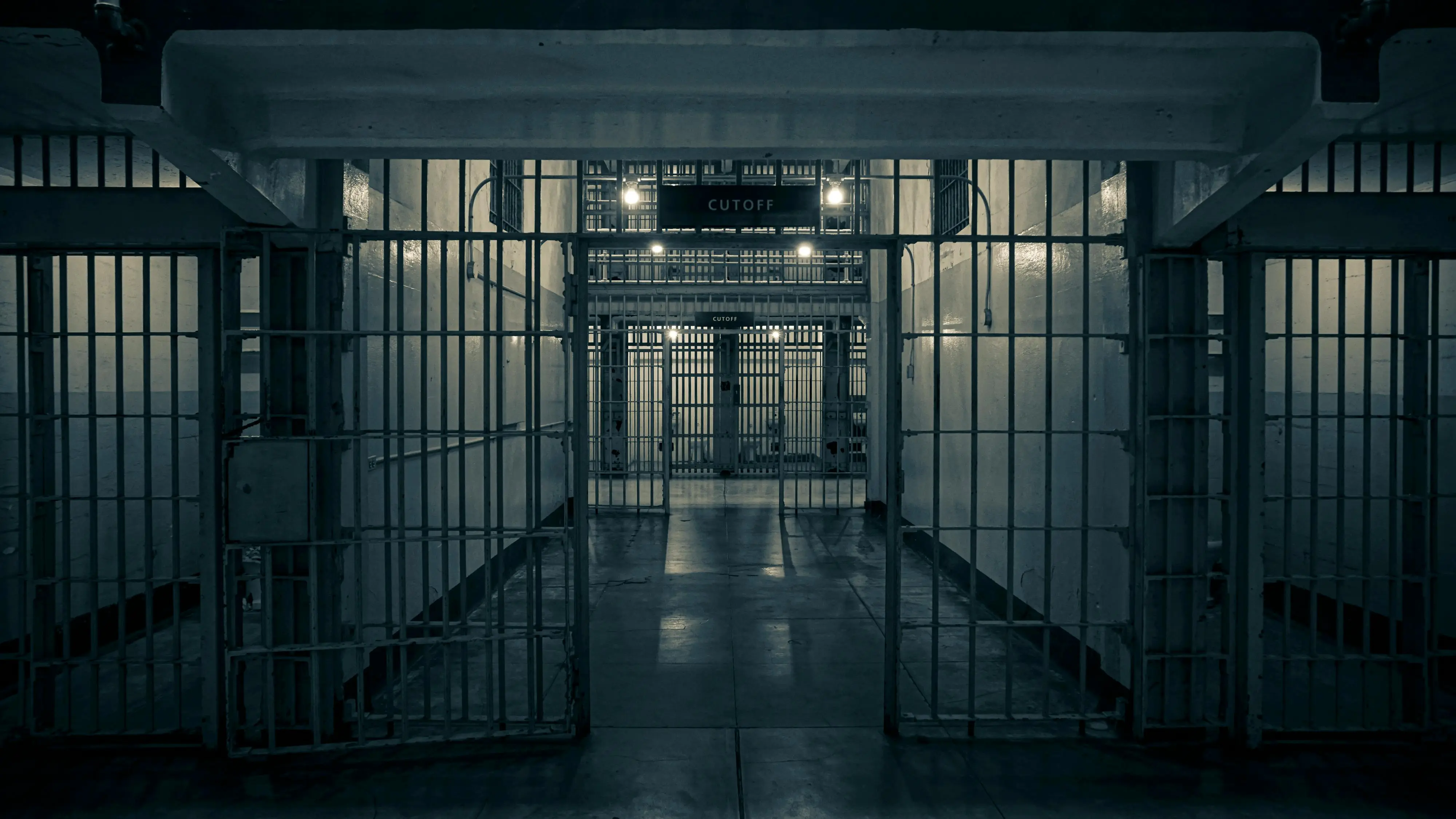
The first pillar, containment infrastructure, dictates the physical reality of the prisoner. State authorities operate under statutory obligations to provide baseline living standards, which official reports define in this case as a multi-cell compound equipped with basic sanitation, designated exercise zones, and controlled nutritional intake. Conversely, legal representation and family members argue that restricted spatial movement functions as psychological pressure. This creates a fundamental measurement problem: physical isolation can be quantified in square footage and contact logs, but the psychological toll of administrative isolation resists precise metrics, leaving room for contradictory interpretations by state officials and opposition groups.
The second pillar revolves around clinical oversight. Medical management of aging detainees—particularly concerning chronic conditions such as central retinal vein occlusion—demands standardized diagnostic pathways. State management protocols emphasize procedural frequency, pointing to dozens of specialist examinations conducted by institutional boards. Yet, the validity of these assessments is routinely challenged when state-appointed panels supersede independent practitioners or designated private facilities. The structural conflict emerges from a lack of consensus on who constitutes an objective medical authority. When the state relies on public medical institutes while the defense demands independent specialists, clinical data becomes politicized.
The third pillar is procedural fidelity. Judicial directives establish clear parameters for transit, medical evaluation, and access. Deviations from these orders—such as the recent midnight redirection of the prisoner from a court-designated private hospital to a state-run medical center—trigger immediate institutional friction.
The Cost Function of Operational Redirection
Security management in politically sensitive cases operates on a risk-mitigation calculus. When a high-profile figure is moved for medical evaluation, the state weighs two competing risk vectors: legal contempt charges versus public mobilization risks.
In this framework, crowds gathering along transit corridors or outside designated private medical facilities represent an uncontrolled variable for state security planners. To minimize the probability of public assembly or political signaling, authorities often alter execution plans at the operational level, bypassing specific judicial instructions under the justification of immediate security imperatives.
However, this tactical maneuver introduces a heavy penalty in the form of institutional blowback. Bypassing a Supreme Court mandate to utilize a specific private facility in favor of a public hospital converts a routine health check into a constitutional flashpoint. Opposition factions instantly frame the redirection as deliberate non-compliance, supplying legal ammunition for contempt petitions. The cost function thus reveals a systemic trade-off: minimizing immediate crowd risk increases long-term legal vulnerability and deepens distrust in administrative integrity.
The Information Asymmetry Loop
Public discourse surrounding the physical condition of detained leaders is governed by severe information asymmetry. The state possesses the monopoly on physical access, enabling it to compile extensive documentation, ranging from vital sign logs to specialist evaluation reports. Official disclosures often highlight quantitative normalcy—such as stable blood pressure metrics and progressive healing indicators—to neutralize allegations of physical decline.
On the other side of the information divide, family members and political proxies operate from sporadic, high-stress touchpoints. Observations of temporary physical markers, such as protective eye patches or reports of fatigue, are synthesized into broader narratives of systemic deterioration or intentional harm. Because complete, unedited medical dossiers remain shielded by institutional boundaries or disputed by opposing legal teams, the information gap is filled by speculation. This dynamic ensures that even when clinical evaluations declare a detainee fit, public skepticism persists unabated.
Strategic Realignment of State Oversight
The ongoing dispute over the health and confinement of Imran Khan illustrates the limits of managing political prisoners through standard penal procedures combined with high-security exceptions. As legal challenges progress toward contempt filings and counter-petitions, the immediate operational path requires shifting from closed-door administrative adjustments to transparent, protocol-driven compliance. Resolving institutional friction demands third-party verification models where medical boards explicitly incorporate independent practitioners without triggering last-minute security overrides. Failing to institutionalize predictable, court-aligned procedures will continue to amplify political volatility, ensuring that every routine health assessment functions as a stress test for the entire state apparatus.