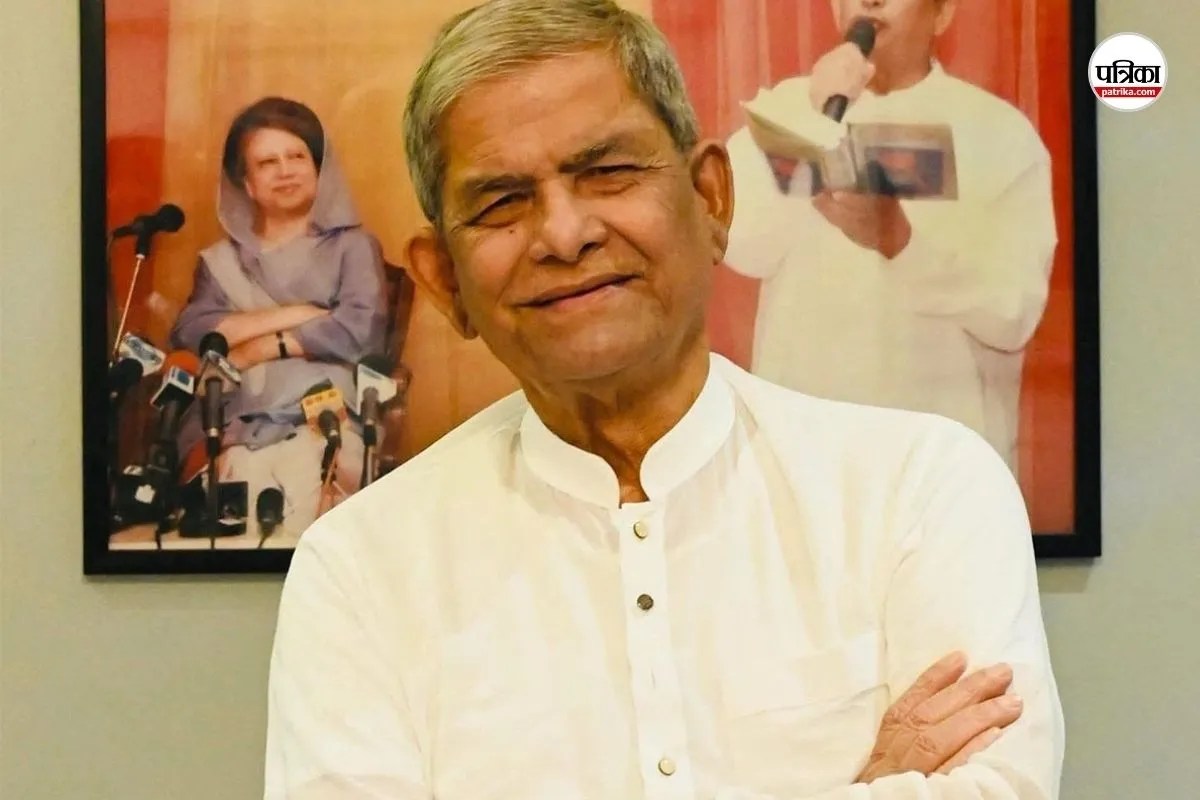
The vacancy of the Bangabhaban following Mohammed Shahabuddin's resignation on July 24 triggers a strict 90-day constitutional mandate for a successor, culminating in the August 20 election. The nomination of Mirza Fakhrul Islam Alamgir by the Bangladesh Nationalist Party (BNP) represents a calculated structural realignment within the state apparatus. Understanding this transition requires examining the parliamentary arithmetic, the constitutional architecture of the presidency, and the operational mechanics governing executive power in Dhaka.
The Parliamentary Cost Function and Electoral Mathematics
Under the Constitution of Bangladesh, the president is elected directly by members of Parliament. The structural dynamics of this vote are determined entirely by seat distribution. Following the February 12 general elections, the BNP secured a two-thirds majority in the House.
This supermajority eliminates any mathematical uncertainty in the August 20 outcome. The opposition, spearheaded by Jamaat-e-Islami via Liberal Democratic Party chairman Oli Ahmad, functions structurally as a nominal opposition rather than a blocking coalition. Because the electoral college consists of sitting parliamentarians, the BNP's legislative dominance guarantees that Alamgir will transition from his position as Local Government Minister and party secretary general to the nation's 23rd head of state.
To satisfy compliance requirements under party bylaws and statutory norms, Alamgir formally resigned from his position as BNP secretary general and from the highest policy-making Standing Committee immediately following his nomination. This procedural separation maintains the theoretical optics of executive neutrality mandated for the head of state, even within a hyper-partisan political ecosystem.
The Dual Architecture of Executive Power
The office of the president in Bangladesh operates under a paradox of nominal ceremony and latent constitutional leverage. Formally, the executive branch functions through a parliamentary system where the prime minister exercises primary operational authority. However, the presidency retains targeted statutory checkpoints:
- Appointment vectors: The formal designation of the prime minister and the chief justice.
- Armed forces oversight: Acting as the supreme commander of the military, though traditionally bound by cabinet advice.
- Caretaker administration triggers: Institutional interventions during generalized political transitions or electoral oversight phases.
Political analysts note that the BNP's election manifesto previously signaled an intent to strengthen the presidency through constitutional amendments. Placing a veteran political strategist like Alamgir—an economist by training with decades of administrative and legislative history—into the Bangabhaban points toward a deliberate institutional shift. If executive reforms materialize to expand presidential oversight, the office shifts from a purely ceremonial post to an active arbitration node within the state apparatus.
The Preceding Vacancy and Continuity Risks
The departure of former president Mohammed Shahabuddin exposed the friction points inherent in post-transition governance. Shahabuddin, a 1971 Liberation War veteran and former judiciary member, remained the sole high-ranking constitutional fixture from the pre-2024 administration following the student-led mass protests that unseated Sheikh Hasina's Awami League government.
Although Shahabuddin’s exit was formally attributed to health complications, institutional friction with Prime Minister Tarique Rahman’s administration played a definitive causal role in accelerating his departure. Parliamentary Speaker Hafiz Uddin Ahmad stepped in as acting president pursuant to constitutional provisions, managing the administrative gap while the Election Commission enforced the strict filing deadlines that required Alamgir's nomination papers to be submitted by 4 PM on Thursday.
This rapid succession framework minimizes prolonged executive paralysis. However, it also highlights the vulnerability of independent constitutional offices to shifting legislative majorities. When the ruling party commands a supermajority, the presidential election mechanism operates as an administrative confirmation rather than a competitive contest.
Strategic Execution and State Continuity
The elevation of Alamgir shifts internal party dynamics within the BNP, requiring a restructuring of administrative leadership as the party manages its legislative agenda alongside state administration. The immediate focus centers on the August 20 parliamentary vote and the subsequent swearing-in process, which will conclude the 90-day constitutional window.
Institutional stability now depends on how the administration utilizes this transition. If constitutional amendments materialize to augment presidential authority within the framework of re-implemented caretaker systems, Alamgir's background as an economist and long-serving party manager will dictate a more hands-on execution of state duties than witnessed under his predecessors.