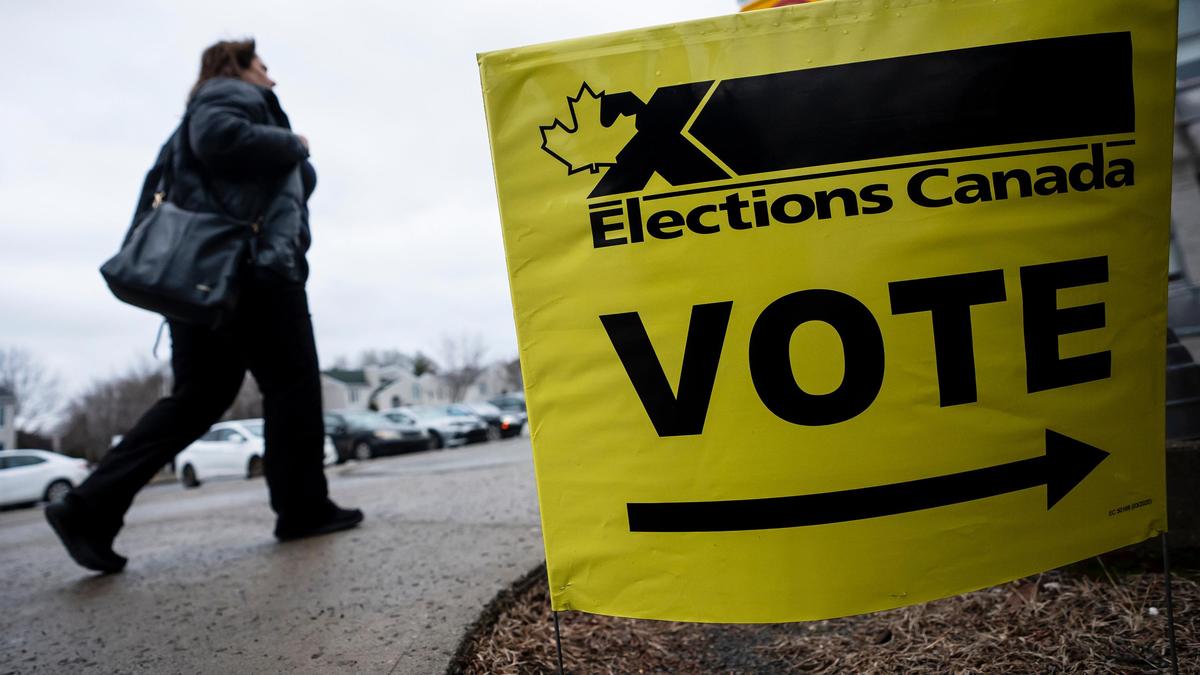
The era of the "unworkable minority" in Ottawa is over. Late Monday night, the map of Canada shifted under the feet of the political class as Mark Carney’s Liberals swept key by-elections in Toronto and Quebec. It wasn't just a localized win for the red team; it was the final piece of a calculated, sixteen-month power play that has officially handed Carney a majority government.
You've probably heard the term "special election" or "by-election" used interchangeably here. Effectively, voters in University-Rosedale, Scarborough Southwest, and Terrebonne just handed the Prime Minister the keys to the kingdom until 2029. By clearing the 172-seat threshold in the 343-seat House of Commons, Carney no longer has to horse-trade with the NDP or look over his shoulder at a volatile opposition. He’s now the 14th Prime Minister in Canadian history to secure a majority, and he did it through a mix of ballot-box victories and a series of high-profile floor-crossings that left the Conservatives reeling.
The Strategy Behind the Surge
Most people think this majority happened by accident or through pure luck. It didn't. Carney has been operating with the precision of a central banker since he replaced Justin Trudeau in 2025. He didn't just inherit a party; he rebranded it. By moving the Liberals toward a center-right economic stance while maintaining a fierce, "wartime leader" posture against external pressures, he captured a segment of the electorate that was tired of the status quo.
The real catalyst, honestly, was the escalating trade tension with Washington. As Donald Trump’s second term brought renewed threats of annexation and economic coercion, Canadians didn't want a firebrand; they wanted a steady hand. Carney’s performance at the World Economic Forum in Davos, where he famously condemned "economic coercion by great powers," wasn't just a speech. It was a job interview for the role of Canada’s protector.
The numbers don't lie. Danielle Martin’s victory in University-Rosedale—a seat previously held by Chrystia Freeland—was decisive. In Scarborough Southwest, Doly Begum solidified the Liberal grip on the Greater Toronto Area. But the real shocker was Terrebonne, Quebec, where Tatiana Auguste expanded a previous one-vote margin into a 700-vote lead.
Why the Opposition is Fracturing
If you're wondering why the Conservative Party didn't see this coming, look at the internal bleed. Five opposition MPs, four of them Conservatives, crossed the floor to join Carney’s Liberals in the lead-up to Monday. That’s almost unheard of in modern Canadian politics.
Pierre Poilievre is currently facing a leadership crisis that would make any veteran politician sweat. Despite winning a leadership review earlier this year, he can't seem to stop his own caucus from looking across the aisle at Carney’s "anti-Trump coalition." When Conservative MP Marilyn Gladu jumped ship just days before the vote, it wasn't just a defection; it was a signal that the Tory base is questioning its direction.
The Liberals are now a massive, sprawling tent. It’s an "anti-Trump coalition" that brings together urban progressives, suburban centrists, and even rural voters who see Carney as the only person capable of handling a trade war.
What This Majority Means for Your Wallet
A majority government isn't just about political ego. It changes the speed of life in Canada. Here’s what’s actually going to happen now that the Liberals don't need permission to pass a budget:
- Trade Certainty: Carney has a clear mandate to negotiate (or retaliate) in the ongoing trade disputes with the U.S. without fearing a snap election.
- Economic Realignment: Expect a push for "economic sovereignty." This means more subsidies for domestic manufacturing and a harder line on foreign ownership of critical resources.
- Legislative Speed: The gridlock in the House of Commons is gone. Bills that used to take months of committee haggling can now be pushed through in weeks.
There’s a risk here, though. Arrogance is a common trap for majority governments. Carney himself warned his party in Montreal last weekend that standing still is a recipe for surrender. He knows that having a majority makes him the sole person to blame if the economy tanks or the cost of living continues to bite.
The End of the Minority Era
For the last several years, the Canadian government felt like it was stuck in neutral. Minority governments are inherently cautious because they’re one bad vote away from a non-confidence motion. Carney has effectively bypassed that hurdle. He now has a four-year window to reshape the Canadian economy in his image.
If you’re looking for the next move, keep an eye on the upcoming federal budget. Without the need to appease the NDP’s spending demands, Carney is likely to lean into his "pragmatic centrist" persona. We’re going to see a focus on fiscal responsibility mixed with aggressive industrial policy.
The win in Terrebonne proves the Liberals can still speak to Quebec, and the sweep in Toronto shows the "Fortress Ontario" strategy is alive and well. Carney has turned a precarious minority into a solid mandate, and for better or worse, the 2026 political map is now his to draw.
If you want to understand where the country is headed, stop looking at the polls and start looking at the legislative calendar. The "Carney Era" hasn't just started; it just got a massive injection of fuel. Expect big moves on energy, tech, and defense—and expect them soon.