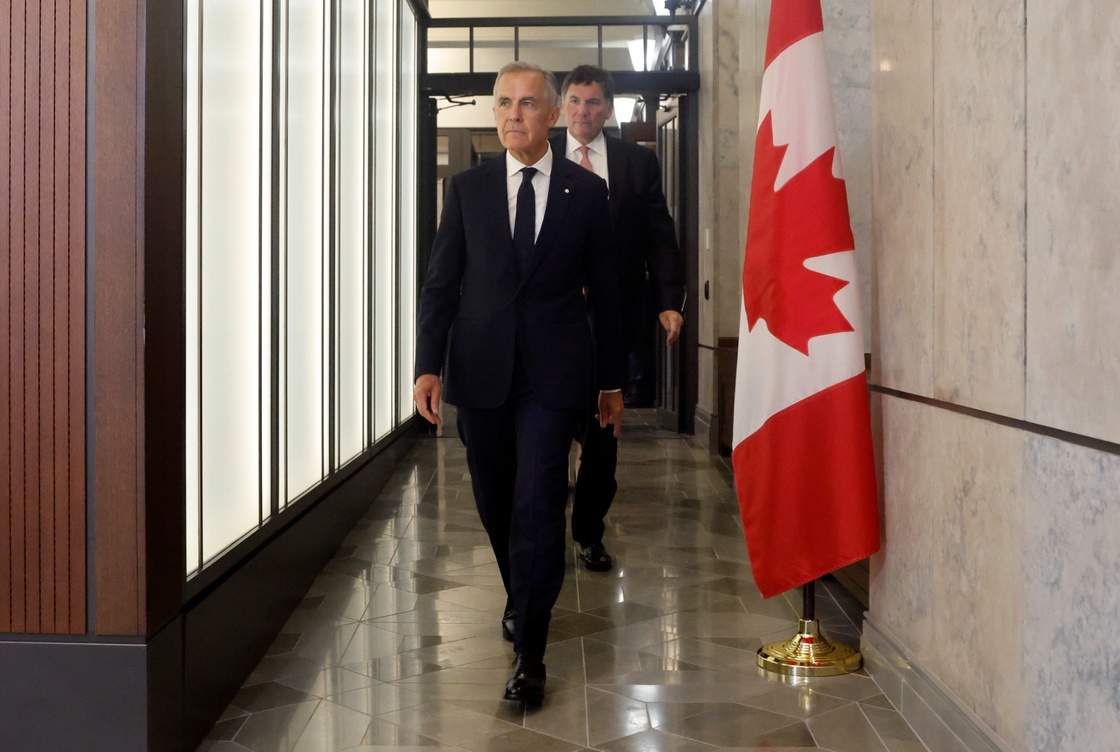
Trade wars rarely start with a bang. They start with shifting goalposts, broken promises, and the quiet realization that your biggest economic partner treats your sovereignty as negotiable. Canadian Prime Minister Mark Carney made that crystal clear when he walked away from a disastrous set of trade negotiations with Washington.
When the Trump administration slapped a staggering 50 percent tariff on key Canadian imports—ranging from steel and cement to beer and hockey equipment—and pushed for terms designed to disadvantage Canadian industries permanently, Ottawa drew a hard line. Carney didn't mince words. Canada is not a corporate branch plant. It's time for the rest of the world to pay attention.
The Death of Economic Integration
For decades, politicians on both sides of the northern border pretended that the steady creep of integration would only move in one direction. We built supply chains that crossed international lines five times before a car ever rolled off an assembly line.
That era is dead. Carney called it early, noting that Washington views economic integration as a weapon rather than a partnership. When the U.S. government shifts its rationale from week to week—jumping from tech taxes to dairy quotas to bridge tolls—you aren't dealing with a stable partner. You're dealing with an administration looking for submission.
Canada buys more American-built cars than the United Kingdom, Japan, and Korea combined. American exporters rely heavily on Canadian consumers across dozens of states. Ignoring these economic realities to score short-term political points hurts workers in Michigan, Ohio, and Kentucky just as much as it hurts manufacturing towns in Ontario.
Why Sovereignty Was Never on the Table
Negotiating under duress is a fool's errand. The U.S. side tried until the final hour to wedge structural demands into the text, poking at cultural protections, language rights, and core regulatory systems.
Carney's refusal to bend wasn't just about trade math. It was about national dignity. No self-respecting democracy can accept a framework built on constant disadvantage. If you agree to terms that treat your domestic industries as an afterthought to appease a foreign power, you stop being an independent nation and start becoming a subsidiary.
The Canadian response involves targeted dollar-for-dollar countermeasures, hitting U.S. goods where it hurts after the Labour Day holiday. It's a reluctant move. Everyone knows tariffs act as a tax on domestic consumers who are already dealing with high costs. But backing down carries a much higher price tag.
Lessons for the Global Community
Middle powers around the world are watching this standoff closely. The old rules of global trade governance are fraying, replaced by bilateral muscle-flexing and protectionist shocks.
Other nations facing similar pressure need to take notes. When a superpower decides its signature is written in pencil, you cannot negotiate out of fear. You have to diversify your supply chains, build economic resilience at home, and prove that your domestic market matters.
Carney's pivot isn't a temporary fallback. Building up domestic infrastructure, accelerating energy projects, and opening new trade corridors abroad represent the only viable path forward. You cannot control the economic storms blowing south of the border, but you can stop building your house out of straw.
Stand your ground, protect your industries, and remember who you answer to.