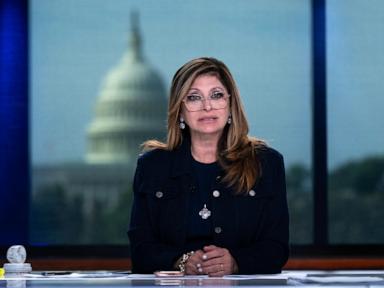
Cable news empires rarely implode quietly. When a network cuts ties with a twelve-year fixture overnight, you pay attention. Fox News Media announced that Maria Bartiromo is gone. No grand farewell tour happened. No emotional retrospective filled the airwaves. Just a terse, two-sentence press release thanking her for her time.
If you followed morning television or Sunday political broadcasts, the sudden vacuum felt jarring. Fans are furious. Insiders are tight-lipped. Corporate brass offered zero specific reasons for the exit. Yet, media watchers know that high-profile talent departures at this level never happen in a vacuum. Let us look past the corporate boilerplate and examine what actually led to this massive media earthquake. You might also find this connected story interesting: Survival Economics In Flash Flood Disasters A Structural Post Mortem.
The Abrupt Exit and the Corporate Silence
Fox released the news on a Thursday afternoon, effective immediately. Shows like Mornings with Maria and Maria Bartiromo's Wall Street instantly lost their namesake, rebranded overnight to strip away her brand. Jason Chaffetz stepped into the breach for Sunday Morning Futures, signaling that the network prepared for this transition behind closed doors well before the public found out.
The strategy mimics past high-stakes ousters. When Tucker Carlson exited abruptly, the playbook looked identical. Minimal explanation. Immediate content restructuring. Total digital scrubbing. Fox wants control of the narrative from second one. By refusing to cite a direct catalyst in their official statement, executive management left room for speculation to run wild across every social media platform. As reported in recent reports by BBC News, the implications are widespread.
Legal Pressures and the Cost of Election Coverage
You cannot understand Bartiromo's departure without looking at the massive legal shadow hanging over cable news. Bartiromo sat squarely in the middle of the post-2020 election fallout. Voting technology companies scrutinized every broadcast, resulting in the massive $787.5 million settlement with Dominion Voting Systems. An ongoing $2.7 billion lawsuit filed by Smartmatic still lists her as a named figure.
Internal documents released during these legal battles revealed tension between on-air talent and network producers. Text messages showed Bartiromo pushing hard to amplify election fraud narratives because her audience demanded it. While she consistently defended her reporting as standard journalistic inquiry into voter concerns, the corporate risk tolerance at Fox shifted dramatically. Legal exposure changed the math for corporate executives who spent years balancing high ratings against existential court threats.
Reports of Internal Friction and Leaked Communications
Industry reports point to more immediate triggers behind the final decision. Outlets like Status and Puck reported acute friction in July following a high-profile prime-time address. Management allegedly tried to block a sensitive segment concerning conspiracy theories about China and the 2020 election.
When network editors pulled the plug on the story, Bartiromo reportedly shared internal communication screenshots with external parties, including the White House. For a media corporation, bypassing internal chain-of-command and sharing editorial dissent outside the building crosses a bright red line. Once executive leadership discovered the breach, her tenure effectively ended, regardless of her decades-long profile or close ties to political heavyweights.
Political Reactions and the Washington Rumor Mill
President Donald Trump rushed to defend his longtime ally on Truth Social, calling her a total professional and a true warrior while lamenting the loss of her programs. Her loyal viewership base views the termination as a betrayal by corporate executives bending to institutional pressure.
Naturally, Washington circles immediately sparked rumors about a potential transition into the administration, drawing comparisons to other media figures who shifted directly into government roles. However, key administration figures like Vice President JD Vance quickly downplayed those specific transition rumors when questioned by reporters, insisting they viewed her fondly as a friend but had no concrete knowledge of administration hiring plans.
Where the Industry Goes From Here
Bartiromo's journey from a pioneering financial journalist on the floor of the New York Stock Exchange to a polarizing political commentator represents the broader evolution of cable news. The era of untouchable cable news megastars is shrinking. Networks now prioritize risk mitigation above individual star power, especially when billion-dollar defamation stakes enter the ledger.
If you want to track where media influence heads next, watch how digital platforms absorb displaced anchors. Traditional television networks are tightening editorial controls, leaving independent streaming and alternative channels as the likely destination for talent unwilling to moderate their tone. Check your preferred independent media feeds and financial newsletters over the coming weeks to see where her voice lands next.