When high-ranking Western officials start throwing around heavy historical terms like balkanisation, you need to look past the rhetoric and check the actual mechanics on the ground. US Secretary of State Marco Rubio recently warned that Iraq faces a dangerous fracture if armed factions aren't fully disarmed and brought under strict state control. It sounds like a dramatic wake-up call. But is it an accurate diagnosis of Iraq's actual vulnerabilities? Or is it a recycled Washington talking point that misunderstands how power works in Baghdad today?
To understand why this warning misses the mark, you have to look at how power is currently distributed. Iraq isn't sliding toward a neat, Yugoslavia-style territorial breakup along ethnic or sectarian lines. The country is dealing with something far messier, which is the institutional capture of the state from within.
The Reality of Armed Factions Inside the State
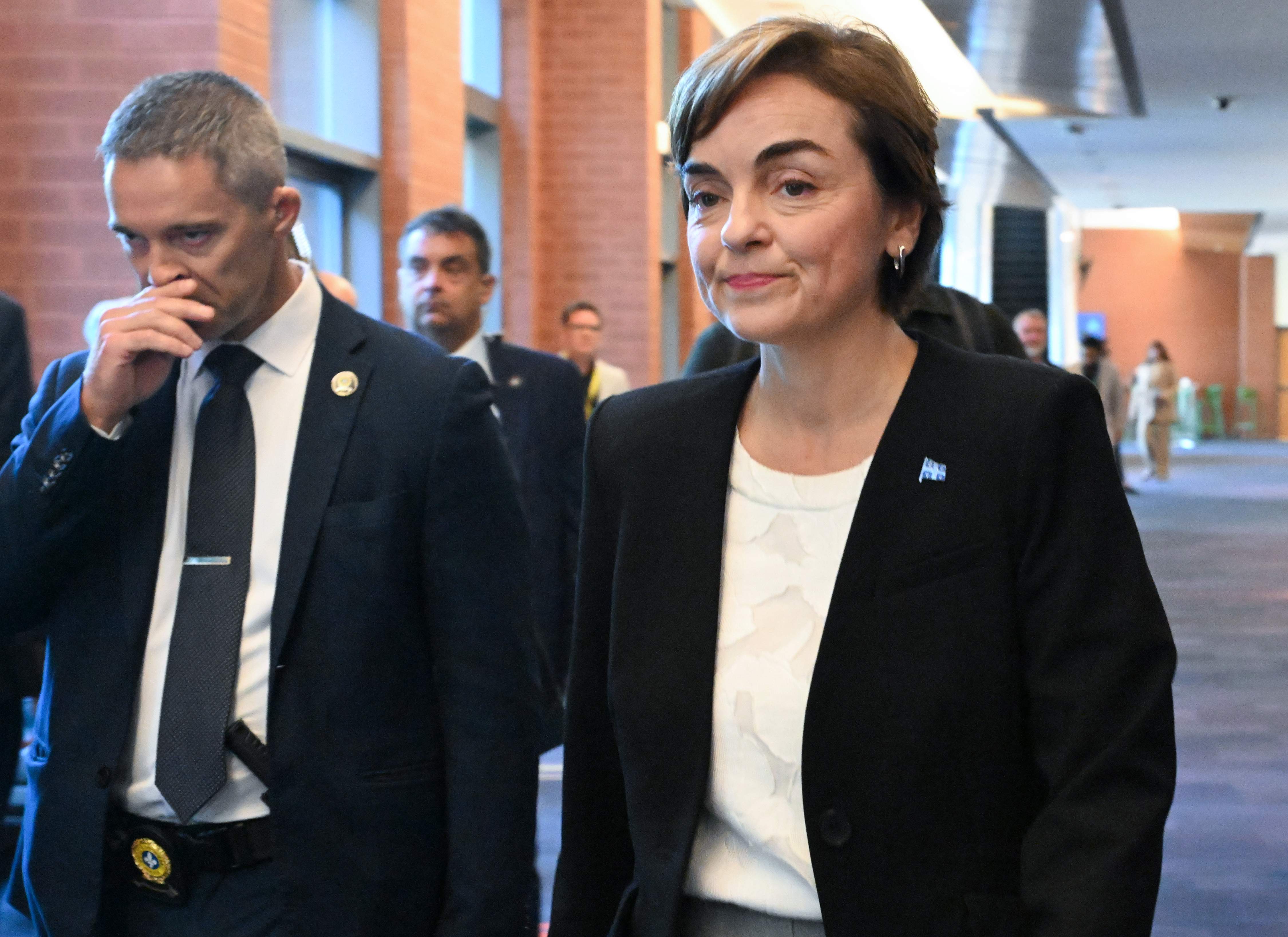
Rubio's core argument during his meeting with Iraqi Prime Minister Ali al-Zaidi centered on independent militias acting as parallel power centers. He argued that these armed groups balkanise the country by breaking up the state's monopoly on violence.
There is truth to the fact that weapons outside state control create a massive governance crisis. Groups like Kataib Hezbollah and Asaib Ahl Al-Haq maintain independent military capabilities while simultaneously holding seats in parliament and cabinet positions.
Yet, this arrangement is the exact opposite of balkanisation. These factions aren't trying to carve out a separate, independent mini-state or formally partition Iraq. Why would they? They already control a massive slice of the existing national budget, government ministries, and security apparatus. They are deeply embedded in the system. They want the Iraqi state to keep functioning because the state acts as the ultimate slush fund, financing their operations through oil revenues.
Why a Formal Breakup is Off the Table
When analysts talk about balkanisation, they usually picture violent geographic separation. Think of the 1990s Balkans or the ongoing fragmentation of Sudan. But Iraq lacks the structural ingredients for that kind of collapse right now.
Consider the geography and economics. Iraq's oil wealth is heavily concentrated in the south and administered through a central federal budget. While the Kurdistan Region in the north operates with a high degree of autonomy, even Erbil's financial survival depends on its fiscal relationship with Baghdad. No major faction has the economic capacity or the domestic desire to cut ties and go it alone.
Furthermore, regional powers have zero appetite for a chaotic Iraqi breakup. Iran, Turkey, and the Gulf states all prefer a weak or pliable central government in Baghdad over the total chaos of a fractured state that could trigger a massive refugee crisis and draw in direct foreign military intervention.
The Real Threat is Internal Decay
By focusing heavily on the cinematic threat of balkanisation, international observers often miss the slow-motion crisis happening in plain sight. Iraq's primary danger isn't that the country will snap into three pieces on a map. The danger is that the state will completely hollow out from corruption, mismanagement, and parallel chains of command.
When political elites use sectarian rhetoric to mobilize bases while quietly dividing up state contracts behind closed doors, public trust drops to zero. Young Iraqis don't worry about foreign invaders or geographic partition nearly as much as they worry about basic public services, crumbling infrastructure, and a lack of economic opportunity.
Disarming militias and centralising military command is a legitimate policy goal for Prime Minister al-Zaidi's government. But framing this massive domestic political struggle as a battle against balkanisation oversimplifies a complex reality. Iraq isn't falling apart at the seams geographically. It's struggling to build a functional, unified governance model where the rule of law actually applies to everyone equally. Until policymakers address systemic corruption and the co-optation of state institutions, shifting deadlines for militia integration will just kick the can down an increasingly unstable road.