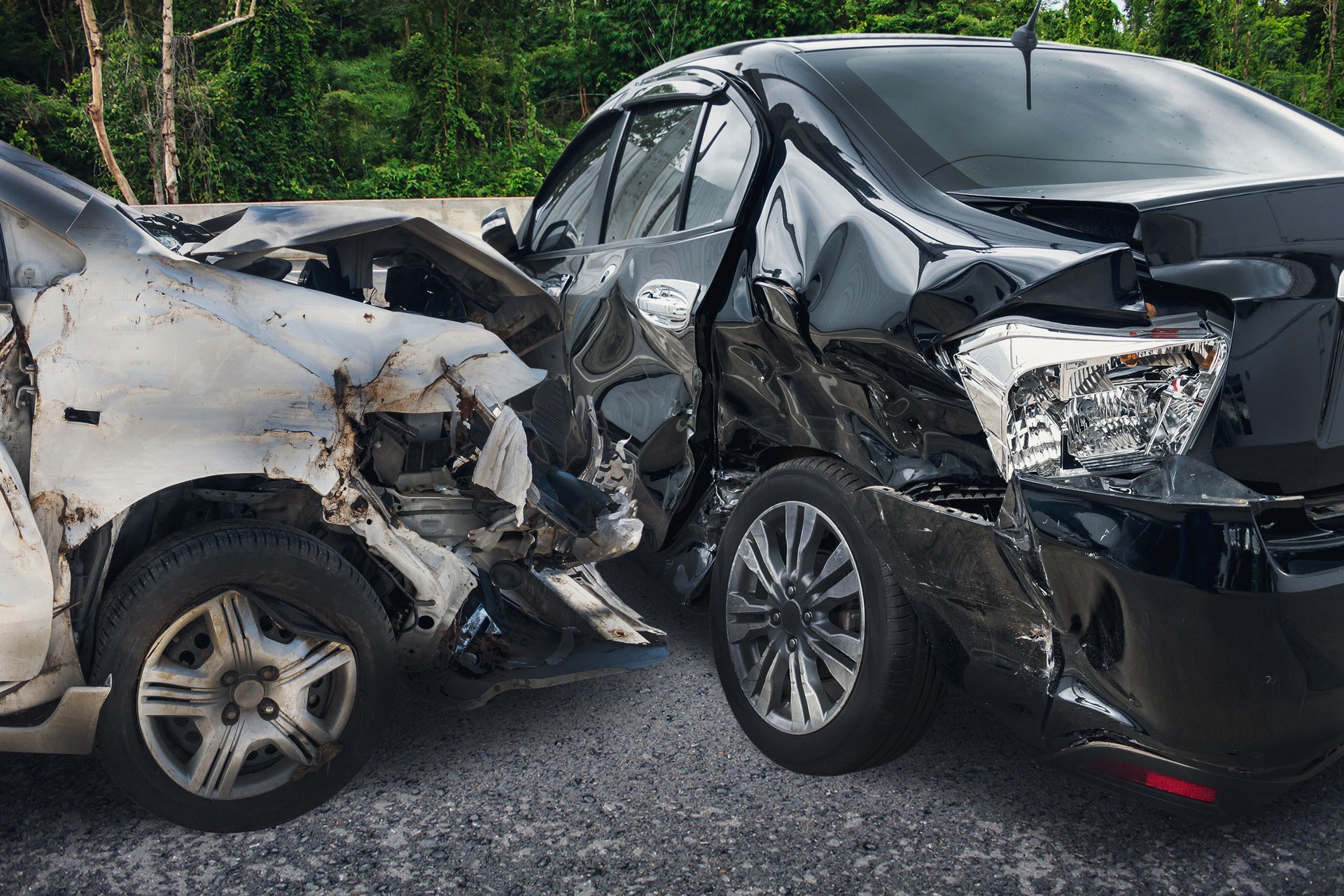
On an ordinary afternoon in Manhattan, a fifteen-year-old girl named Madison Miah lost her life when a commercial truck struck her at a busy intersection. The tragedy immediately joined a grim tally in municipal statistics, flashing across evening news banners before fading into the background noise of urban traffic reports. Yet, viewing this fatal collision as a simple accident or an isolated failure of attention misses the structural reality of New York City streets. The intersection where Madison died is part of a wider network designed for throughput rather than human survival, where heavy freight vehicles share narrow asphalt with millions of pedestrians.
Data compiled by transportation advocates reveals that pedestrian fatalities involving commercial vehicles and large trucks carry a disproportionately high lethality rate. While passenger cars certainly pose risks, the blind spots, mass, and kinetic energy of heavy freight hauling transform minor driver errors into catastrophic events. Investigators at the scene of the Manhattan crash focused on the truck driver's movements, checking logs and permits. But veteran urban planners know that focusing solely on individual operator error obscures the systemic failure baked into the layout of the city's corridors.
For decades, urban design policies prioritized the rapid movement of delivery fleets to satisfy commercial demands. Streets became arteries for commerce, while the safety of children walking home from school or residents crossing avenues took a back seat. Traffic signals often grant simultaneous green lights to turning trucks and pedestrians crossing the same path. This design flaw forces two vulnerable streams of traffic into direct conflict, leaving the burden of safety entirely on human reflexes.
Public outcry typically spikes immediately following such an incident. Politicians issue statements pledging stepped-up enforcement, and precinct commanders announce targeted ticket sweeps for speeding or failure to yield. These responses offer little long-term protection. Enforcement alone cannot overcome an infrastructure built to favor speed over security. True change requires physical alterations to the streetscape, including raised crosswalks, protected turn phases, and restrictions on large truck access during peak pedestrian hours.
Cities across Europe implemented low-speed zones and delivery consolidation hubs years ago, drastically reducing pedestrian fatalities. In those models, heavy vehicles transfer cargo to smaller electric vans or handcarts at the periphery of dense districts. New York has debated similar congestion pricing and freight management strategies, but implementation moves at a glacial pace compared to the rising count of hospitalizations and morgue entries. Every month of delay carries a human cost paid by families in outer boroughs and Manhattan neighborhoods alike.
The grief experienced by Madison's family and classmates defies simple quantification. Candlelight vigils offer community solidarity, but they do not alter the physical geometry of asphalt and steel. When investigators complete their reports and the media cycle shifts to the next crisis, the trucks will continue turning corners across Manhattan under the exact same structural conditions that permitted this disaster.
Transforming New York into a city where a teenager can walk to school without fear demands an aggressive reimagining of public space. It requires stripping away the bureaucratic inertia that protects parking spaces and freight speed at the expense of human lives. Until city leadership treats pedestrian safety as a non-negotiable baseline rather than an optional amenity, the asphalt will remain hostile ground.