Dawn in Seoul arrives not with a golden whisper, but with the heavy, metallic roar of a million engines roaring to life in the concrete canyons of Gangnam. By six in the morning, the subway platforms are already pulsing with a quiet, synchronized urgency. People in impeccably pressed wool coats move with downcast eyes, carrying the invisible weight of a nation that built itself out of the ashes of war into an economic titan in less than a single lifetime.
They do not know it yet, but today their collective anxiety has a new name.
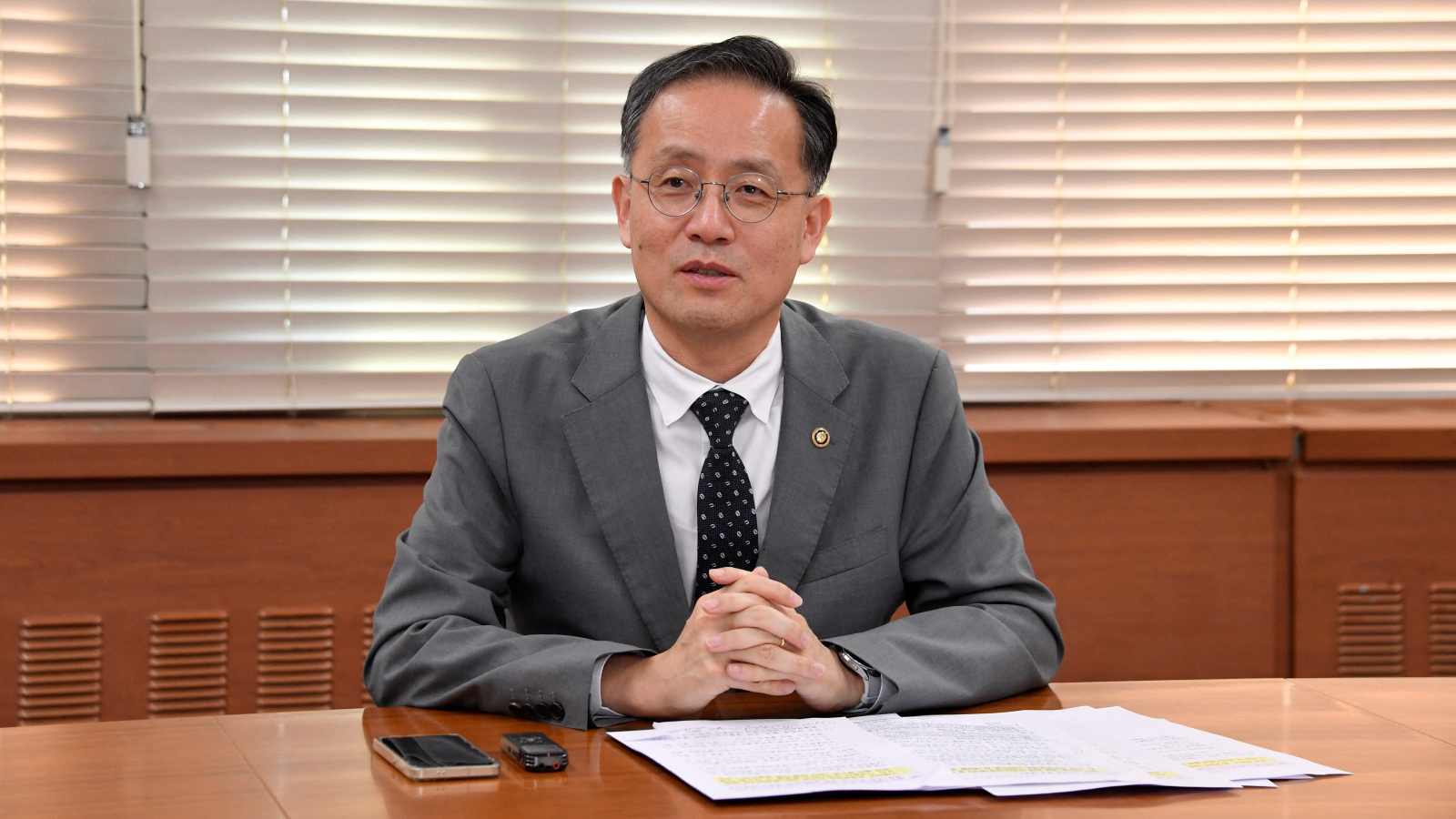
In a quiet conference room away from the glare of television cameras, a veteran technocrat named Lee Hyoung-il is adjusting his tie. Outside, the political machine of South Korea has just ground through another violent gear shift. A cabinet reshuffle. Titles traded, portfolios swapped, old guards ushered out, new faces pinned to the lapels of power. But Lee’s new office in the Ministry of Economy and Finance is not a prize. It is an evacuation zone.
Consider what happens next. The markets open. Numbers crawl across digital tickers like crawling ants—red for losses, green for fleeting relief. Household debt sits at a staggering peak, a generational anchor dragging down young couples who stare at apartment prices in Mapo or Hannam and realize that ownership is a mathematical impossibility. Birth rates have plummeted into a statistical abyss, the lowest on earth, a quiet strike by a generation refusing to pass on their exhaustion.
Lee Hyoung-il steps into this vortex. He is not a charismatic showman built for the theatrical arena of modern politics. He is a bureaucrat. A career number-cruncher who spent decades inside the machinery of finance, tracing the invisible veins of capital that keep the lights on in this peninsula.
To understand why a quiet bureaucrat matters more than a flashy politician right now, walk through the crowded alleys of Namdaemun Market at noon. Smoke rises from iron griddles where vendor grandmothers flip hotteok with scarred, deft fingers. Ask them about macroeconomic policy, and they will laugh, a dry, tired sound. They do not care about the title of finance chief. They care about the price of cabbage. They care about whether their son can find a job at Samsung or Hyundai that does not require a soul-crushing soul-destroying contract. They care about interest rates that bite into their meager savings like frost.
Lee knows this smell of hot oil and cheap steam. He has spent his life looking at the spreadsheets behind the market stalls. When a nation's growth engine sputters, it does not happen in a vacuum. It happens right here, in the narrowing margin between what a family earns and what it costs to simply stay alive.
South Korea's economic miracle was forged by men with iron wills and broad strokes. They built steel mills, shipyards, and semiconductor fabs out of mud and ambition. But the problems of today cannot be solved with a bulldozer. They require a scalpel. They require someone who understands the terrifying math of an aging workforce and a slowing export market squeezed between Chinese manufacturing muscle and American protectionist walls.
When the announcement drops, the financial columns use words like stability, continuity, and pedigree. They miss the human truth. Lee is not here to innovate. He is here to hold the dam together.
Imagine standing at the edge of a frozen river in January, listening to the ice groan under your boots. Every crack sounds like a gunshot. That is the feeling inside the Ministry right now. Inflation is a persistent ghost. Global supply chains snap and twitch with every geopolitical tremor across the globe. The currency, the won, dances a nervous jitter against the dollar.
Lee Hyoung-il takes his seat behind a desk piled high with memos that read like disaster reports. He does not smile for the cameras. He adjusts his glasses, opens a red binder, and begins to read.
In the streets outside, the evening commuters are rushing back to their cramped apartments, clutching hot paper cups of coffee against the biting wind. They will turn on the evening news, catch a three-second glimpse of their new finance chief, and then go back to worrying about tomorrow's rent. They will never meet Lee Hyoung-il. He will never know their names. Yet, every policy he signs tomorrow, every interest rate he defends, and every budget line he redraws will dictate whether they sleep tonight or stare at the ceiling until the blue light of dawn creeps through the blinds.