International football tournaments aren't really about the ninety minutes on the pitch. If you think they are, you're missing the entire point. The real magic happens three hours before kickoff in the local plazas, the subway stations, and the muddy fan zones where thousands of people who don't speak the same language find themselves hugging.
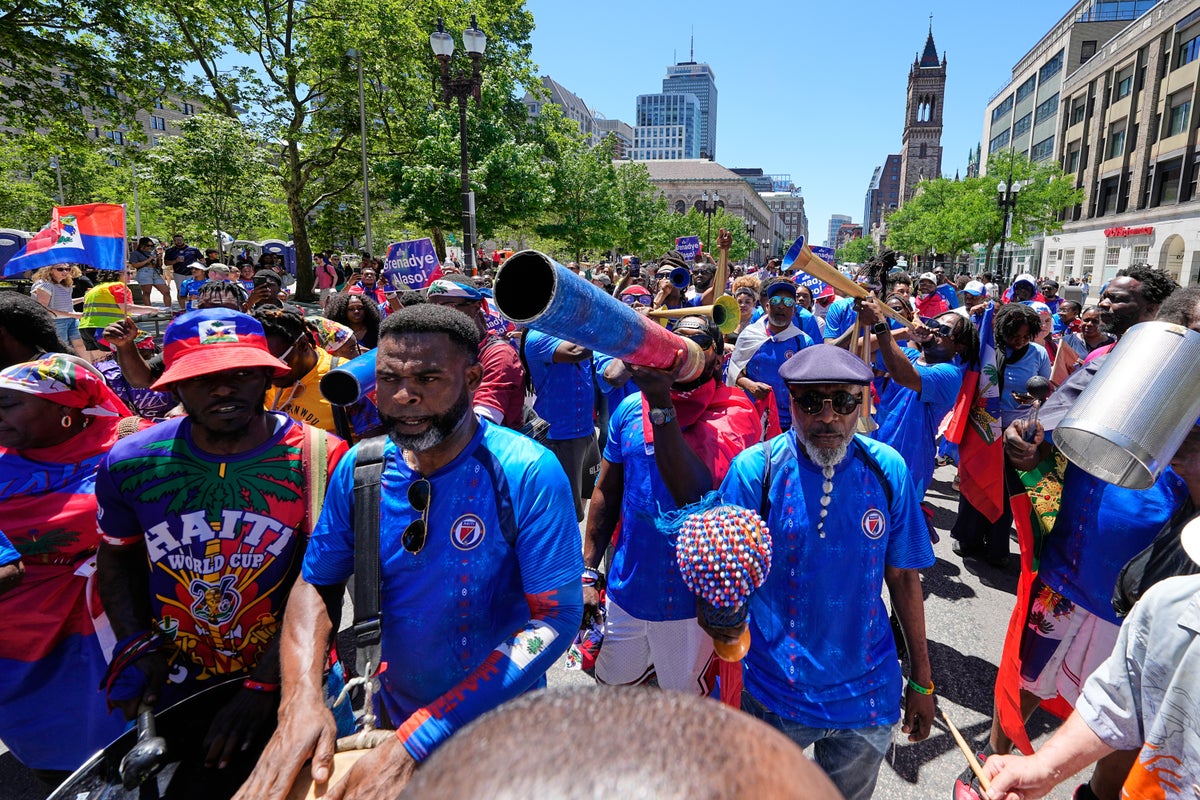
Look at Haiti fans taking over the streets with rara horns, or the Scotland faithful marching in kilts through European squares. It’s loud. It’s messy. It’s beautiful.
Modern club football has become corporate, sterile, and aggressively expensive. It feels like a luxury entertainment product designed for television executives. International tournaments do something different. They ground us. They remind us that sports used to belong to the people, not the billionaires.
The Unmatched Energy of Haiti Fans in the Streets
When the Haitian national team plays a major tournament match, a stadium's surrounding neighborhood transforms completely. It doesn't matter if they're playing in Miami, New York, or across the globe. The diaspora shows up, and they bring the culture with them.
You don't just see Haiti fans; you hear them from three blocks away. They bring rara music into the football space. This traditional form of festival music uses bamboo trumpets, maracas, and metal bells. It creates a rhythmic, hypnotic wall of sound that has nothing to do with the pre-recorded pop music blaring over stadium loudspeakers.
It is an active reclamation of public space. For a country that has faced immense political and social hardships, football serves as a rare, unifying beacon of joy. The fans aren't just supporting a team. They are asserting their identity to the world. They sing, dance, and turn concrete avenues into a massive Carnival celebration. It's raw emotion. It's unscripted.
Why the Scotland Faithful in Kilts Win Every Tournament They Visit
On the other side of the Atlantic, you have the Tartan Army. Scotland fans have earned a legendary reputation across international football, not because their team wins every trophy, but because their fans win every city they visit.
Seeing thousands of Scotland faithful in kilts marching together is a striking visual. But the clothing is just the surface. The real impact is their behavior. While some fanbases carry a tense, aggressive edge into foreign cities, the Scots bring a philosophy of aggressive friendliness. They drink the local bars dry, sing self-deprecating songs about how bad their team might be, and leave locals smiling.
During major European tournaments, host cities routinely praise the Tartan Army for their immaculate vibes. They don't section themselves off in high-end hospitality suites. They sit on the curbs, share beers with rival supporters, and turn ancient European plazas into giant, kilt-filled living rooms.
The Corporate Death of Club Football vs The Freedom of International Play
To understand why these fan displays matter so much, you have to look at what's happening to the rest of the sport. Club football is suffocating under the weight of its own wealth.
Top-tier English Premier League or Champions League matches feel increasingly sanitized. Ticket prices have priced out the traditional working-class fanbases that built these clubs. Stadiums are filled with tourists and corporate sponsors who sit quietly, occasionally filming a penalty kick on their phones. The atmosphere is manufactured by stadium announcers and flashing LED boards.
International tournaments break that corporate mold, at least in the streets. Because these events happen less frequently, the desire to attend is purely emotional. People save money for years just to travel, sleep on friends' floors, or camp out, all for a chance to stand outside the stadium.
- Club football is a business transaction.
- International football is a cultural pilgrimage.
When you see Haiti fans dancing or Scotland fans bagpiping through a train station, you're seeing a rejection of the modern, quiet, sit-down stadium experience. It's chaotic, and that's exactly why it works.
How True Supporter Culture Actually Changes Host Cities
Host cities often prepare for major football tournaments with a sense of dread, bracing for property damage or rowdy behavior. The reality is usually a massive cultural exchange that leaves a permanent mark on the local community.
Local businesses thrive, obviously, but the economic boost isn't the best part. The real value is the breaking down of cultural barriers. You see elderly locals in Germany or France taking photos with kilt-wearing Scotsmen, or kids in American host cities joining in on Haitian rara dances. It breaks the monotony of daily urban life.
These tournaments provide a rare space where patriotism doesn't feel exclusionary. It's a celebration of where you come from, shared directly with people who come from somewhere completely different. You wear your colors, they wear theirs, and you both complain about the referee together over lunch.
The Next Time You Watch a Match Look Outside the Lines
Stop focusing exclusively on the tactical setups, the VAR decisions, and the multi-millionaire players. The true soul of the sport lives in the fan culture that surrounds it.
If you want to truly experience a major football tournament, don't just buy a ticket, walk to your seat, and walk back to your hotel. Get to the stadium city a day early. Wander through the public parks. Find the corners where the diaspora has gathered, or where the travelling support has set up camp. Listen to the music, buy a street snack from a local vendor, and talk to the people who traveled thousands of miles just to sing a song in a kilt or blow a horn in the rain. That is where football lives, and that is what we need to protect.