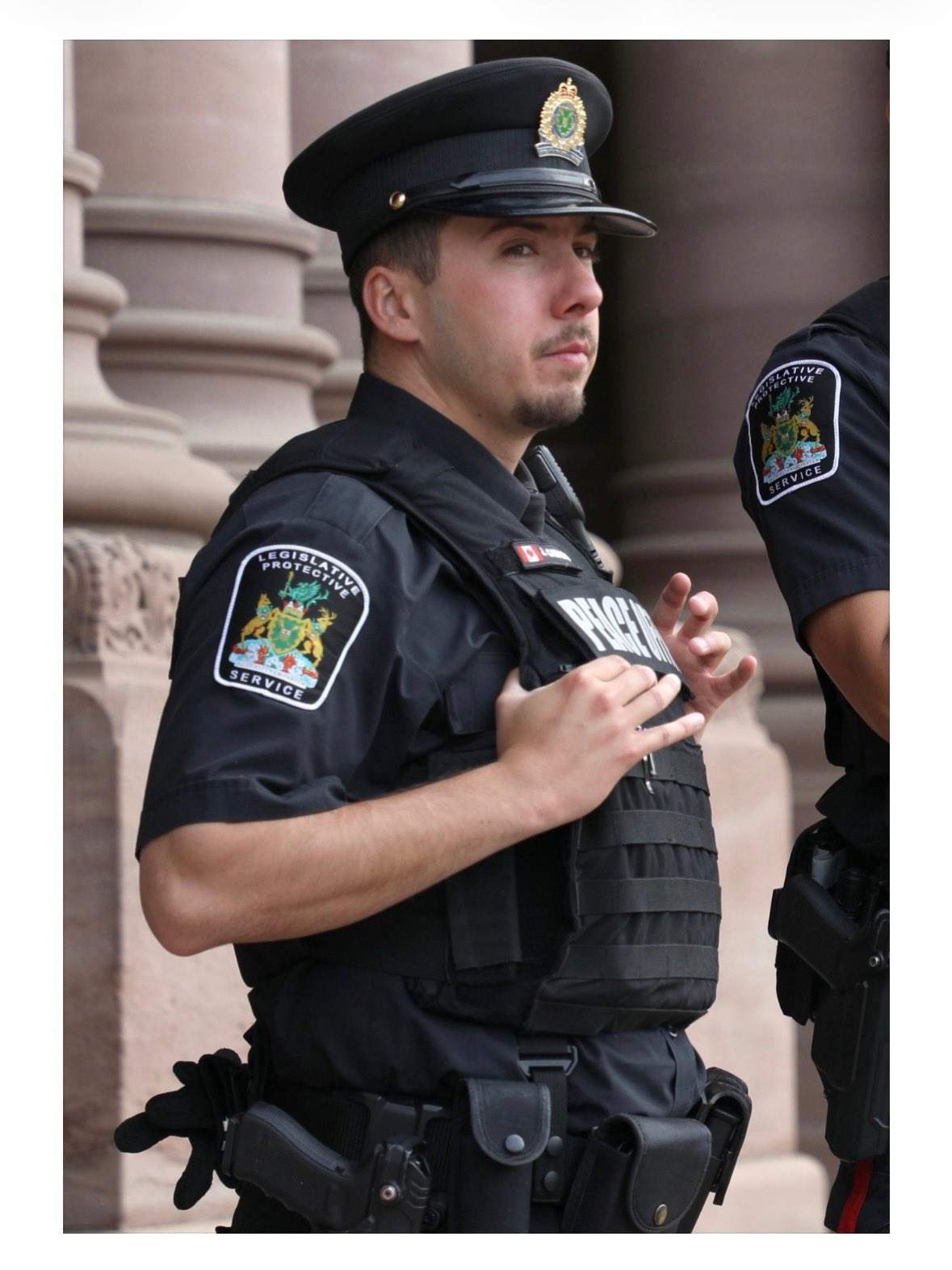
The sudden and tragic death of a veteran Queen’s Park peace officer in a severe automobile collision has sent shock waves through municipal protection circles and local government administration. On a stretch of asphalt where routine patrols often blur into grueling, high-visibility shifts, the loss of this dedicated officer forces a hard look at the hidden vulnerabilities borne by municipal law enforcement personnel. While initial headlines focus on the raw human tragedy of a life cut short in the line of duty, a deeper investigation reveals systemic pressures facing provincial security details, regional transport corridors, and the chronic underestimation of risk inherent in municipal protective services.
Queen’s Park is more than just a historical landmark or a provincial legislative seat; it is a bustling municipal ecosystem requiring constant, vigilant oversight. The peace officers stationed within this jurisdiction operate in a unique administrative grey area. They possess specialized municipal and provincial authorities, yet they frequently navigate the operational gaps between local municipal police services and provincial detachments. When an officer assigned to these critical zones loses their life in a transit disaster, it lays bare the physical and psychological toll exacted by shifting schedules, high-stress environments, and the relentless demand for public visibility. Read more on a similar issue: this related article.
Security details operating in high-traffic administrative districts face unique occupational hazards. Unlike municipal patrol officers tied to specific cruisers with dedicated sector boundaries, protective services personnel at legislative and municipal hubs often manage volatile crowd control, unannounced protests, high-profile dignitary movements, and sprawling facility perimeters. The logistics of managing these duties require constant vigilance, often compounded by staffing shortages that stretch experienced personnel thin. When fatigue intersects with rapid response driving or routine transit patrols, the margin for error narrows dangerously.
The broader public often misunderstands the exact role of a peace officer compared to a traditional municipal police constable. Peace officers undergo rigorous training in statutory enforcement, de-escalation, and facility security. Yet, their deployment often lacks the integrated dispatch infrastructure and backup networks enjoyed by larger municipal police forces. This structural isolation means that when critical incidents or transit emergencies occur, officers frequently rely on immediate, high-stakes adaptability. The fatal crash that claimed the life of the Queen’s Park officer highlights the urgent need to evaluate how these mobile security units are resourced, scheduled, and protected during transit and routine patrol duties. Additional reporting by NPR highlights comparable perspectives on the subject.
Municipal authorities and provincial oversight bodies now face uncomfortable questions regarding vehicle maintenance standards, shift-length regulations, and the cumulative fatigue experienced by frontline personnel. In high-stakes security environments, operational tempo rarely slows down. Officers are routinely expected to absorb increased threat levels, changing legislative protocols, and public safety demands without a corresponding increase in logistical support. When a veteran officer with years of institutional knowledge and tactical experience is lost, the impact extends far beyond the immediate department, leaving a void in mentorship and operational continuity that takes decades to rebuild.
The aftermath of such an incident typically triggers a flurry of official statements, flags lowered to half-mast, and temporary expressions of solidarity from political leaders. However, the cycle of mourning rarely translates into sustainable structural reform. True institutional respect requires a rigorous audit of the working conditions that define modern municipal protective services. If regional governments and municipal councils fail to address chronic staffing deficits, inadequate vehicular safety protocols, and the grueling demands placed on protective details, the risks facing frontline personnel will only compound.
As the investigation into the collision continues, the focus must shift from temporary grief to permanent protection. The legacy of the fallen Queen's Park peace officer should be measured not just in memorial tributes, but in tangible improvements to the safety, mental health resources, and operational standards of every officer patrolling our municipal corridors.