Silence has a weight. It is not merely the absence of sound; it is a heavy, pressing blanket that settles over a room when every breath becomes conscious and every rustle of paper sounds like thunder.
Picture a classroom on an ordinary Tuesday morning. Sunlight streams through tall windows, catching floating motes of dust. A teacher is mid-sentence, perhaps explaining a complex math theorem or reading a passage from a classic novel, when the administrative loudspeaker crackles to life.
It does not announce a fire drill. It does not call for an assembly.
The voice on the intercom speaks code words that every student and teacher knows by heart, even if they pray never to hear them spoken aloud. Lockdown. Hold and secure.
In an instant, the atmosphere shifts. The hum of teenage chatter vanishes. Desks scrape softly against linoleum as chairs are pulled away from windows. Hands move with practiced, terrifying speed, drawing heavy blinds and flicking off overhead lights. The heavy oak door clicks shut, and the deadbolt turns.
Outside in the hallways, footsteps fade into an eerie, echoing emptiness. Inside, twenty-five teenagers and one adult sit in total darkness, packed tightly against a concrete corner out of sight of the doorway.
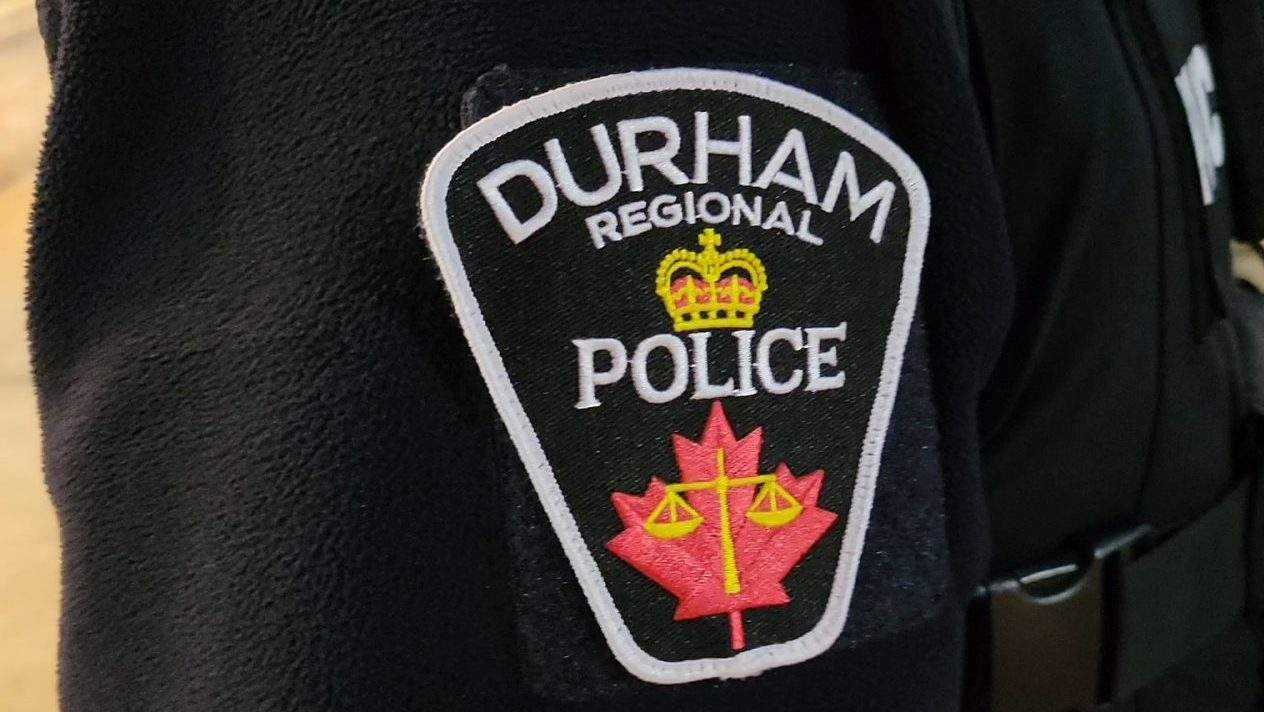
This was the reality for students and staff across several schools in Oshawa. A threat emerged, sharp and unannounced, cutting through the routine of education and replacing geometry and literature with a singular, primal focus: safety.
When a community hears that local schools have been placed into lockdown, hold and secure protocols, time fractures. Minutes stretch into hours. Parents miles away stare at their glowing smartphones, refreshing news feeds frantically, watching snippets of information trickle out from police scanners and official updates. Every parent knows that specific, sickening drop in the stomach—the realization that their child is behind a locked door in a world they cannot control.
Emergency measures like these are born from an abundance of caution, but they carry a psychological toll. Police cruisers converge on the perimeter, blue and red lights flashing silently against brick walls. Officers sweep corridors, checking handles, ensuring that every protocol designed to protect the vulnerable is functioning precisely as intended.
For the students inside, the experience is intensely personal. Some grip their phones tightly, typing whispered text messages to their mothers and fathers: We are okay. The door is locked. I love you. Others sit in absolute stillness, staring at the floorboards, listening to the collective breathing of their peers. It is a strange intersection of modern vulnerability and historic resilience.
Schools are meant to be open sanctuaries of learning, places where mistakes are made safely and horizons are expanded. When an outside threat forces those doors to bolt, the sanctuary is temporarily converted into a fortress. It reminds everyone inside that the wider world is unpredictable and occasionally dangerous.
Yet, as quickly as the tension mounts, it begins to dissolve.
Hours later, law enforcement completes its investigation. The threat is contained, addressed, or proven unfounded. The loudspeaker chimes once more. The all-clear is given.
The heavy bolts turn back. The blinds are yanked open, flooding the dim rooms with brilliant daylight. Students blink against the sudden brightness, letting out ragged breaths they didn't realize they were holding. Laughter bubbles up nervously, a natural release valve for accumulated fear. Backpacks are zipped. Books are gathered.
They walk out into the hallway together, stepping back into the light of an ordinary day, carrying with them the quiet, lingering knowledge of how quickly everything can change, and how strongly they can stand together when the world outside demands stillness.


