Time moves strangely in the desert. In Las Vegas, neon hums against the black sky, erasing the memory of yesterday. The casinos wash away the sins of the morning by sunset. But some ghosts refuse to dissolve in the glare of the Strip. Some echoes are too loud for slot machines to drown out.
Nearly thirty years ago, a September night in Nevada fractured modern culture. A twenty-five-year-old poet who happened to be the biggest rapper on earth sat in the passenger seat of a black BMW. Bullets tore through the metal. Six days later, Tupac Shakur was gone.
What followed was not just an investigation, but a slow-motion unraveling. A generation of fans watched the case stall, freeze, and turn into a ghost story whispered in barbershops and analyzed in documentaries. For decades, the public chased shadows. The streets knew names. The police collected rumors. Justice, however, remained locked behind an institutional wall of silence, fear, and red tape.
Then came the courtroom verdict for the Tupac Shakur murder.
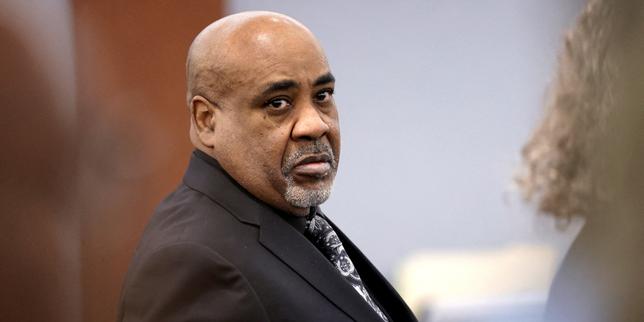
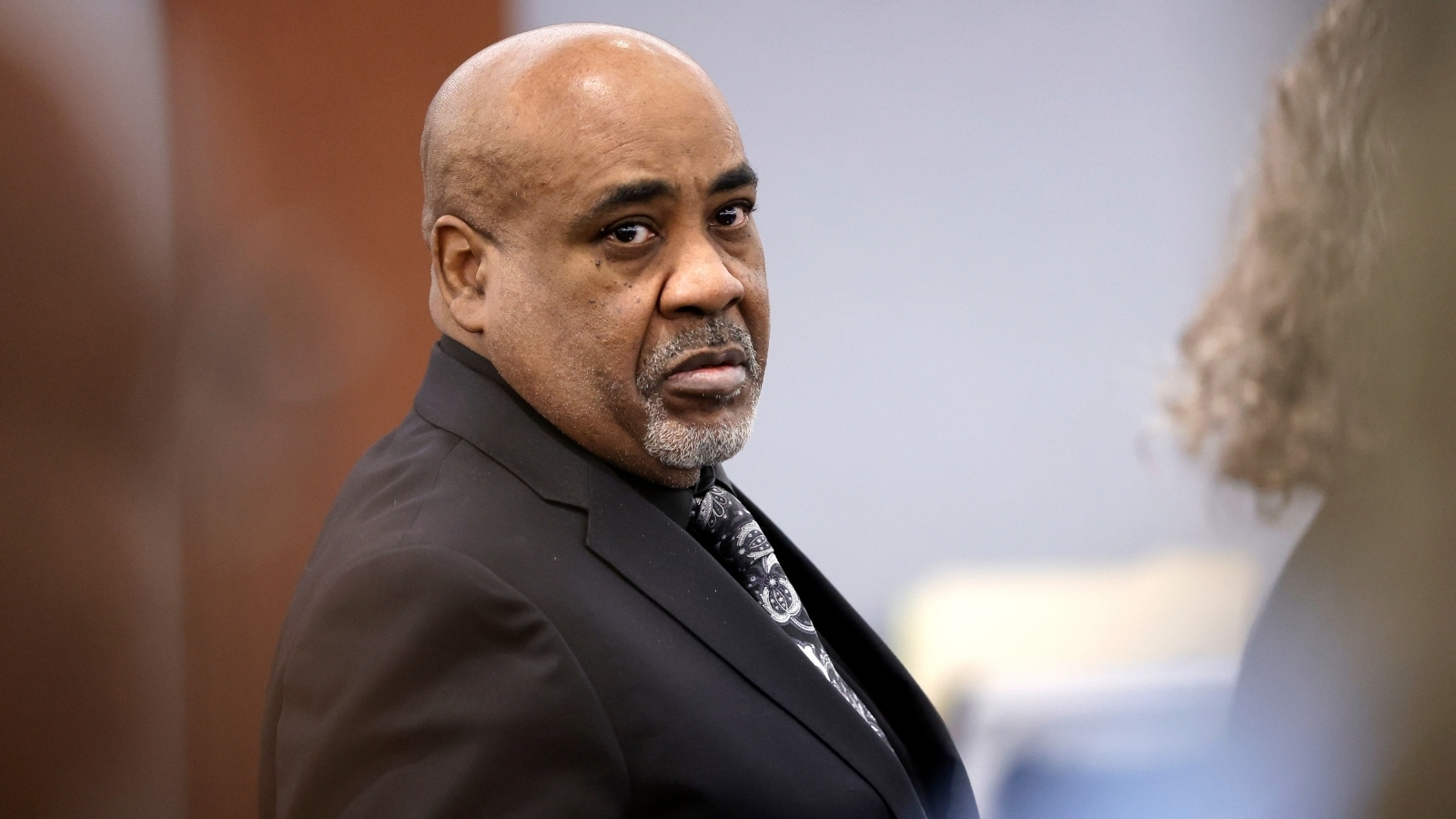
Duane Davis, known to the world as Keffe D, finally faced a jury of his peers. The gavel came down. The conviction arrived nearly three decades late. For anyone who grew up with the cassette tapes rewinding in boomboxes, the news felt surreal. It was an institutional punctuation mark on an era that many had surrendered to myth.
To understand why this matters, you have to remember what the nineties felt like. It was an era of intense paranoia, dizzying commercial success, and an invisible war playing out between coastlines. Hip-hop was transitioning from an underground rebellion into a global behemoth, and the casualties were mounting. When Tupac died, a piece of youth culture's invincibility died with him. We lost our illusion of safety.
For thirty years, Keffe D lived in plain sight. He wrote memoirs. He gave interviews on cable networks, practically winking at the camera about his presence in the white Cadillac that pulled up alongside that BMW on Flamingo Road. In those interviews, he talked. He boasted. He treated a murder like a badge of street credibility.
That hubris became his undoing.
Detectives watched. The cold case unit of the Las Vegas Metropolitan Police Department never truly stopped breathing. They waited for the statute of limitations on arrogance to expire. When Davis published his book and went on record detailing the events of September 7, 1996, he handed prosecutors the keys to his own cell.
Consider what happens next in a courtroom when a suspect becomes their own worst enemy. The law moves slowly, grinding away at the edges of memory and testimony, but public admissions carry a weight that time cannot erode.
The trial itself was less of a sudden revelation and more of a painful excavation. Witnesses grew older. Memories frayed at the edges like old photographs left in the sun. Detectives who were young men in the nineties sat on the witness stand with silver hair, testifying about ballistics reports and gang affiliations that defined an entirely different epoch of American life.
There is a strange emptiness that accompanies closure after this long.
When a jury convicts a man thirty years after the fact, the applause is muted. Tupac is not coming back to life. The cultural landscape he helped forge has evolved past recognition. Yet, the verdict serves a different master: history. It corrects the record. It transforms a tragic urban legend back into a matter of municipal accountability.
We live in an era obsessed with instant gratification. We want our mysteries solved in a ninety-minute streaming documentary, wrapped up neatly with a satisfying twist before the credits roll. Real life is messier. Real justice requires the endurance to outlast the guilty. It demands that institutions remember what everyone else tried to forget.
The black BMW is long gone. The corner of Flamingo and Koval is busier now, choked with tourists heading to modern mega-resorts that didn't exist when the shots rang out. The city has rewritten its own surface.
Yet beneath the asphalt and the neon, the ledger has finally been balanced. The jury spoke. The long silence broke. And in the quiet hours after midnight, the desert wind finally lets the ghost rest.